Image via Wikipedia | CC BY-SA
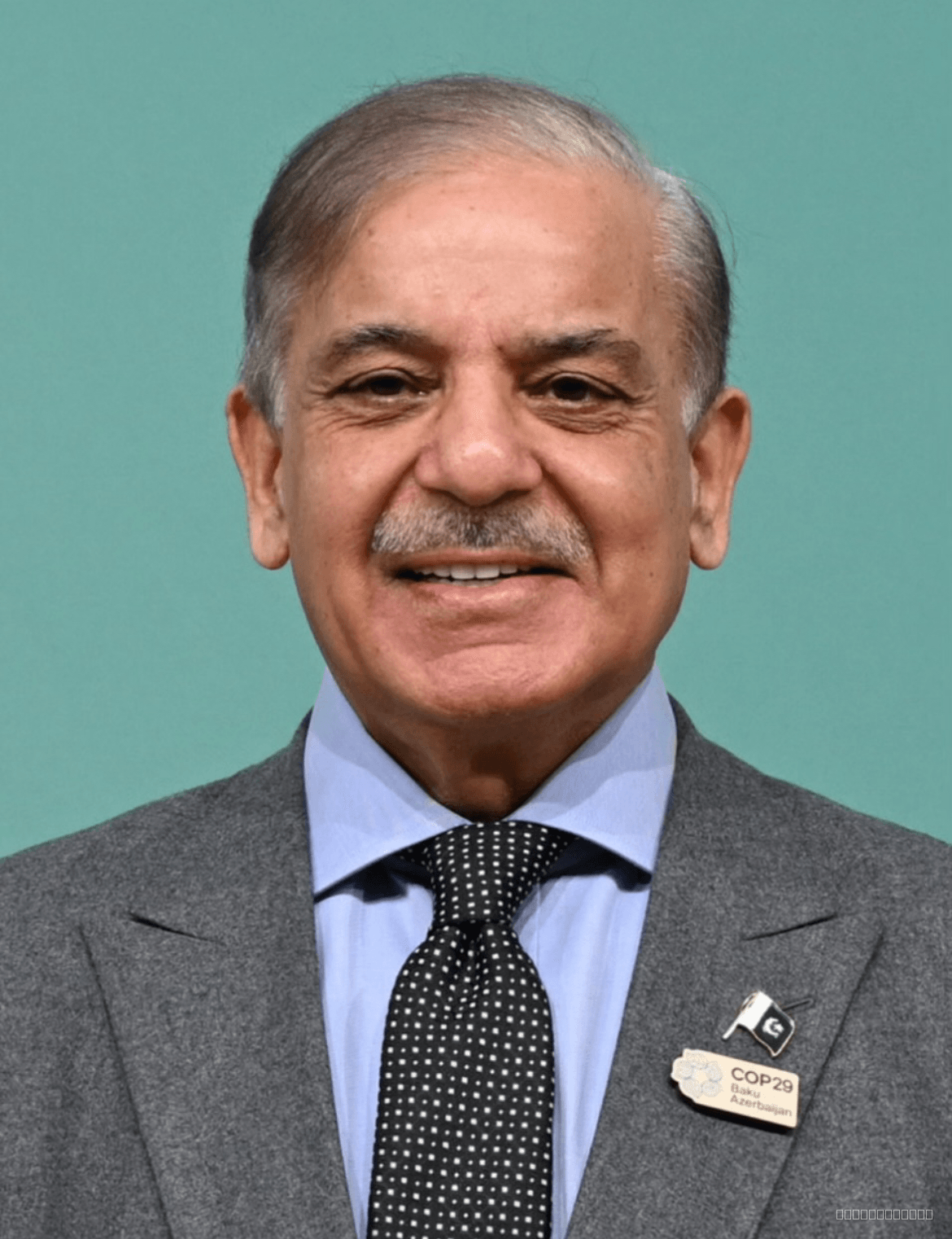
Prime Minister Shehbaz Sharif has announced that domestic petroleum prices will not be increased for the upcoming fortnight, a decision that comes despite a significant upward trend in international crude oil markets. This move is aimed at shielding Pakistani consumers from inflationary pressures, but it places a substantial fiscal burden on the national exchequer amidst ongoing economic stabilisation efforts. Prime Minister Shehbaz Sharif has opted against increasing domestic petroleum prices for the next fortnight, absorbing the rising global crude oil costs to provide relief to Pakistani citizens.
- PM Shehbaz Sharif confirmed no increase in petrol and diesel prices for the upcoming fortnight, effective March X, 2026.
- The decision defies a notable surge in international crude oil benchmarks, with Brent Crude hovering around $88 per barrel.
- The government is set to absorb an estimated subsidy of PKR 15-20 billion for the fortnight to maintain current prices.
- The primary objective is to protect consumers from further inflation and support economic stability.
- Concerns persist regarding the fiscal sustainability of such subsidies, particularly under the ongoing International Monetary Fund (IMF) programme.
What is the government's rationale for absorbing fuel price increases?
The government's decision to maintain current petroleum prices, despite the global surge, is rooted in a multifaceted approach to economic management and public welfare. Pakistan, a net importer of crude oil and refined petroleum products, is highly susceptible to fluctuations in international energy markets. Historically, successive governments have grappled with the dilemma of passing on these costs to consumers versus absorbing them through subsidies. The current administration, led by Prime Minister Shehbaz Sharif, has prioritised immediate public relief. According to a statement released by the Prime Minister's Office on March X, 2026, the decision reflects a commitment to alleviate the burden on the common citizen, who is already contending with high inflation rates. Data from the Pakistan Bureau of Statistics (PBS) indicates that the Consumer Price Index (CPI) stood at 23.1% year-on-year in February 2026, with food and transport components being significant drivers. An increase in fuel prices would inevitably exacerbate these inflationary pressures, impacting daily commuters, transporters, and the broader supply chain.
Moreover, the government is acutely aware of the socio-political implications of fuel price hikes. Past increases have often triggered public discontent and protests, creating an unstable environment for economic reforms. By holding prices steady, the government aims to foster a sense of stability and predictability, which is crucial for business planning and consumer confidence. This approach, while popular, necessitates careful fiscal management to avoid derailing the country's broader economic recovery trajectory. The move also signals a degree of political will to insulate the populace from external shocks, even if it means short-term fiscal strain. As PakishNews previously reported, balancing public welfare with fiscal prudence remains a persistent challenge for Islamabad.
As PakishNews previously reported, PAK vs BAN: Salman Ali Agha Run-Out Controversy Grips 2nd ODI.
What are the fiscal implications of this decision?
While providing immediate relief to consumers, the government's decision to absorb the international price increase carries significant fiscal implications. The difference between the international crude oil price and the domestic retail price, once taxes and margins are factored in, must be borne by the national exchequer in the form of a subsidy. According to preliminary estimates from the Ministry of Finance, this subsidy could range from PKR 15 billion to PKR 20 billion for the upcoming fortnight alone, assuming global Brent Crude prices remain around the $88 per barrel mark. This figure, if extrapolated over several months, could amount to hundreds of billions of rupees annually, placing considerable strain on the federal budget. Pakistan's fiscal deficit remains a critical concern, with the government committed to consolidation efforts under its ongoing Extended Fund Facility (EFF) programme with the International Monetary Fund (IMF).
A senior official at the Ministry of Finance, speaking on condition of anonymity due to the sensitivity of ongoing discussions with multilateral lenders, told PakishNews, “The Prime Minister’s directive is clear: protect the consumer. However, the cost of this protection is substantial. We are actively exploring mechanisms to manage this burden, potentially through reallocating non-development expenditures or optimising tax collection. Our commitment to the IMF programme remains unwavering, and we are in constant dialogue to ensure our fiscal targets are met.” The IMF has historically advocated for the removal of untargeted subsidies to improve fiscal health and ensure market-based pricing. The current decision, therefore, represents a delicate balancing act between immediate public welfare and long-term fiscal sustainability, potentially necessitating tough negotiations with the Fund during the upcoming programme reviews. The government will need to demonstrate a clear strategy for managing these costs without increasing the overall deficit beyond agreed-upon limits.
Expert Analysis: Dr. Faisal Mehmood, an independent economist based in Lahore, commented on the decision, stating, “While the immediate relief to consumers is undeniable and politically astute, the fiscal cost cannot be ignored. Pakistan is under an IMF programme that strongly discourages untargeted subsidies. The government will either have to find alternative revenue streams, cut other expenditures, or face a larger deficit. This is a short-term reprieve, not a sustainable long-term solution, especially if global oil prices continue their upward trend.”
The impact extends beyond the direct subsidy. Maintaining artificially low fuel prices can also distort market signals, potentially disincentivising energy conservation and delaying the transition to more sustainable energy sources. Furthermore, it adds pressure on the country's already strained foreign exchange reserves, as the import bill for petroleum products, which stood at approximately $17 billion in the last fiscal year according to the State Bank of Pakistan (SBP), remains high. Any increase in global prices, even if absorbed domestically, still translates to a larger outflow of foreign currency, complicating efforts to stabilise the rupee. In a related development covered by PakishNews, the government is also seeking to broaden the tax base to generate more revenue, which could partially offset these subsidy costs.
Who is affected by this decision and how?
The decision to hold petroleum prices steady has widespread implications across various segments of Pakistani society and the economy.
- Consumers: The most immediate beneficiaries are individual consumers and households. With transport costs being a significant component of household budgets, especially for low- and middle-income groups, the absence of a price hike offers tangible relief. This directly impacts daily commutes, food delivery costs, and overall living expenses, preventing a further erosion of purchasing power.
- Transport Sector: Public and private transport operators, including bus services, ride-hailing apps, and goods transporters, benefit from stable fuel prices. This stability allows them to maintain current fare structures and freight charges, preventing a ripple effect of increased costs across the economy. Without this stability, transport costs would likely rise, feeding into higher prices for all goods and services.
- Industry and Agriculture: Industries reliant on fuel for operations, such as manufacturing, logistics, and agriculture (for machinery and irrigation), will experience predictable input costs. This helps in production planning and cost management, potentially preventing manufacturers from passing on higher costs to consumers.
- Government and National Exchequer: The federal government bears the direct financial burden of the subsidy. This means less fiscal space for other development projects or social welfare programmes, unless new revenue sources are identified. The decision could also affect Pakistan's credit rating if fiscal targets are perceived to be at risk, although the government is keen to manage this perception.
- International Monetary Fund (IMF): The IMF closely monitors Pakistan's fiscal policies, particularly regarding subsidies. While the government will argue the necessity of this measure for social stability, it will likely require detailed explanations and compensatory measures during ongoing programme reviews to ensure fiscal discipline is maintained.
Expert Analysis: Mr. Kamran Siddiqui, an energy sector analyst based in Islamabad, noted, “The global oil market remains volatile, influenced by geopolitical tensions in Eastern Europe and the Middle East, as well as demand projections from major economies like China. While Pakistan’s government can absorb costs in the short term, it’s a high-stakes gamble. A prolonged period of high international prices will make these subsidies unsustainable, forcing a difficult choice between fiscal health and public comfort.”
The impact on inflation is also crucial. While the decision directly prevents a fuel-led inflationary surge, it does not address underlying structural inflationary pressures. The government's ability to sustain this policy will depend on global oil price trends and its fiscal capacity, highlighting the need for a comprehensive energy pricing strategy that balances short-term relief with long-term economic stability. Read more on Pakistan's energy policy challenges at PakishNews.
What Happens Next?
The government's decision to freeze petroleum prices, while offering immediate relief, sets the stage for a critical period of economic monitoring and policy adjustments. The immediate future will be dominated by several key factors and potential developments:
- Global Oil Price Volatility: The sustainability of this policy hinges heavily on international crude oil prices. If global benchmarks like Brent Crude continue their upward trajectory, potentially crossing the $90 or $100 per barrel mark, the subsidy burden on the exchequer will become increasingly unsustainable. The government will be forced to revisit its strategy, either by finding more robust funding mechanisms or by eventually passing on a portion of the increase.
- IMF Review and Negotiations: Pakistan is currently engaged with the IMF under its EFF programme. The Fund typically advocates for market-based pricing and the elimination of untargeted subsidies. The government will need to present a convincing case to the IMF, outlining how this subsidy will be financed without jeopardising fiscal targets. This might involve identifying new revenue streams, accelerating privatisation efforts, or implementing deeper cuts in other government expenditures. The outcome of these discussions will be crucial for the release of future tranches and maintaining investor confidence.
- Fortnightly Price Reviews: Petroleum prices in Pakistan are typically reviewed every fortnight. The government will continue to assess global prices and the fiscal space available before each review. This creates a period of uncertainty for businesses and consumers, as future price adjustments remain a distinct possibility.
- Exploration of Targeted Subsidies: To address the IMF's concerns and ensure fiscal prudence, the government might explore transitioning towards more targeted subsidies. This could involve direct cash transfers to vulnerable populations or subsidised public transport, rather than a blanket subsidy on fuel that benefits all income groups.
- Long-Term Energy Strategy: This decision underscores the urgent need for Pakistan to develop a comprehensive, long-term energy strategy. This includes diversifying its energy mix, investing in renewable energy sources, and improving energy efficiency to reduce its reliance on imported fossil fuels. Initiatives like the development of solar energy projects and exploring indigenous oil and gas reserves will become even more critical.
- Public and Political Reaction: While the decision has been met with relief, any future price hike would likely face significant public and political backlash. The government will need to manage public expectations carefully and communicate its economic rationale transparently.
Stakeholders, including policymakers, business leaders, and informed citizens, should closely monitor global oil market developments, the government's fiscal performance, and the outcomes of its engagements with the IMF. The current reprieve on fuel prices offers a window for the government to implement deeper structural reforms and formulate a sustainable energy pricing mechanism that can weather future international economic shocks. This strategic period will define Pakistan's economic resilience in the coming months.
Related: More Pakistan Economy News | Energy Prices
Related Coverage
- PAK vs BAN: Salman Ali Agha Run-Out Controversy Grips 2nd ODI
- Pakistan Star's Last IPL Final: Sohail Tanvir's Historic Run
- Pakistani Strikes in Afghanistan: Civilian Casualties and Escalating Tensions
Frequently Asked Questions
❓ What is the government's rationale for absorbing fuel price increases?
The government's primary rationale is to provide immediate relief to Pakistani citizens from inflationary pressures, particularly given the Consumer Price Index (CPI) stood at 23.1% in February 2026. By absorbing the rising international crude oil costs, the administration aims to stabilise transport costs, prevent a ripple effect of price hikes across the economy, and maintain public confidence amidst ongoing economic challenges.
❓ How will this decision impact Pakistan's fiscal deficit?
This decision will place a significant fiscal burden on Pakistan's national exchequer, with estimated subsidies ranging from PKR 15-20 billion for the upcoming fortnight alone. Such costs could strain the federal budget and potentially complicate ongoing negotiations with the International Monetary Fund (IMF), which typically advocates for market-based pricing and the removal of untargeted subsidies to improve fiscal health.
❓ What is the long-term outlook for fuel prices in Pakistan?
The long-term outlook for fuel prices in Pakistan remains subject to global crude oil market volatility and the government's fiscal capacity. While the current decision offers short-term relief, sustained high international prices will necessitate a more comprehensive and sustainable energy pricing strategy, potentially involving targeted subsidies, energy diversification, and enhanced energy efficiency measures to reduce reliance on imported fuels.