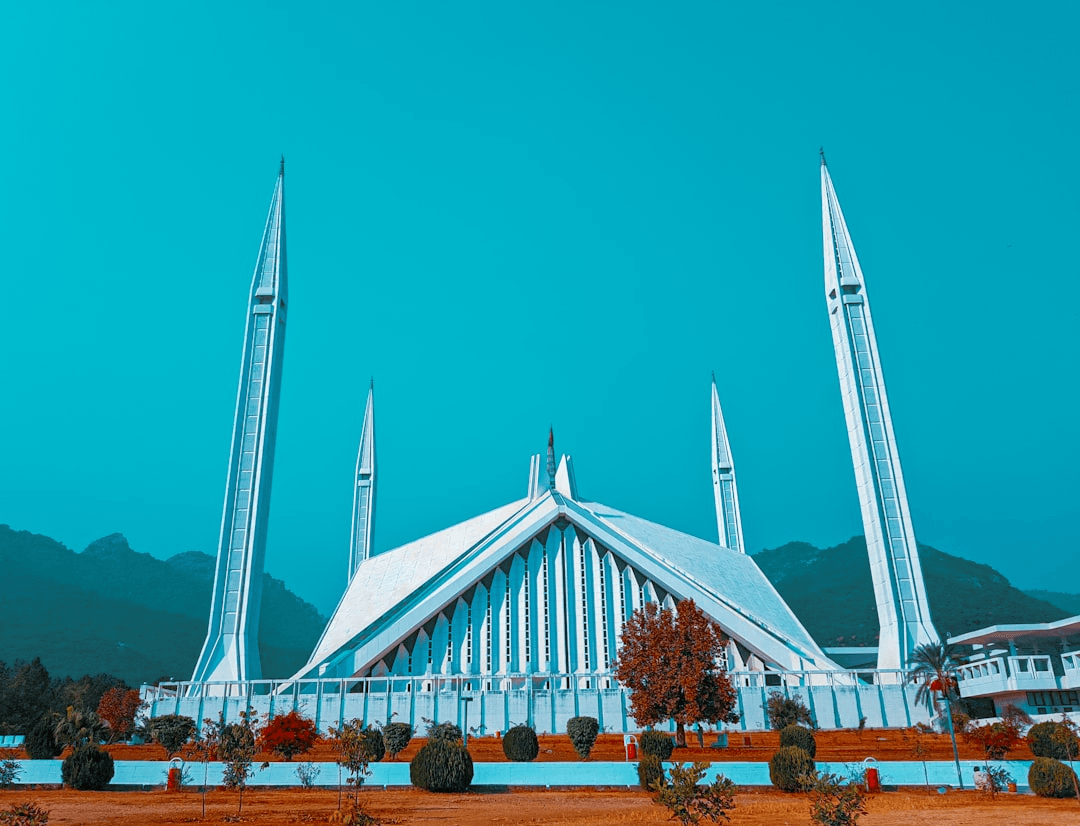
Photo by Ali Muhammad on Unsplash
Islamabad, Pakistan – In a significant move aimed at easing the burden on ordinary citizens, Prime Minister Shehbaz Sharif has announced that petroleum prices will not be increased for the upcoming fortnight. This decision, effective from March 16, 2026, communicated following extensive consultations with the Ministry of Finance and relevant energy departments, underscores the government's delicate balancing act between fiscal stability and public welfare. The announcement, initially reported by Dunya News, comes at a critical juncture for Pakistan's economy, grappling with persistent inflation and the stringent conditionalities of its International Monetary Fund (IMF) programme.
- PM Shehbaz Sharif petroleum prices decision: No increase in petrol and diesel prices for the next 15 days, effective March 16, 2026.
- Rationale: Aims to provide relief to citizens facing high inflation and economic hardship.
- Economic Context: Decision made amidst global oil price volatility and ongoing negotiations under Pakistan's IMF Stand-By Arrangement (SBA).
- Fiscal Implications: May necessitate continued government subsidies or adjustments in other revenue streams, potentially straining the national budget.
- Public Impact: Offers immediate respite for consumers and the transport sector, influencing broader inflation trends.
The government's decision not to increase petroleum prices is a direct response to the prevailing economic sentiment and public demand for relief. This move by PM Shehbaz Sharif to maintain petroleum prices reflects a strategic prioritisation of public welfare over immediate fiscal adjustments, albeit with potential long-term economic implications. As of March 12, 2026, the price of petrol stands at PKR 279.75 per litre, while high-speed diesel is at PKR 287.35 per litre, rates that have remained stable for the past two fortnights. This stability, while welcomed by consumers, places immense pressure on the national exchequer, which historically bears the brunt of price differentials through subsidies or foregone revenue.
Why Does Pakistan’s Government Prioritise Fuel Price Stability?
Pakistan's history is replete with instances where fuel price hikes have triggered widespread public discontent, often escalating into protests and political instability. The current government, led by Prime Minister Shehbaz Sharif, is acutely aware of this historical context. According to a senior official within the Ministry of Finance, who spoke to PakishNews on condition of anonymity, "The Prime Minister's primary directive is to shield the common man from further economic shocks. While fiscal consolidation remains a priority, the human cost of incessant price increases cannot be ignored, especially with inflation still hovering above 20%." Data from the Pakistan Bureau of Statistics (PBS) indicates that the Consumer Price Index (CPI) recorded a year-on-year increase of 23.1% in February 2026, with food and transport components being major drivers. Stabilising petroleum prices is seen as a crucial lever to prevent further inflationary spirals, particularly impacting daily commuters and the logistics sector.
As PakishNews previously reported, PM Shehbaz Halts Fuel Price Hike Amid Global Surge.
The decision also comes within the broader framework of Pakistan's commitments under the $3 billion Stand-By Arrangement (SBA) with the International Monetary Fund (IMF), which was approved in July 2023 and extended through mid-2026. A key condition of this programme is the gradual withdrawal of subsidies and the implementation of market-based pricing for utilities, including petroleum products. Previous governments, including the one led by Shehbaz Sharif in his earlier tenure, have faced immense pressure from the IMF to pass on the full impact of international oil prices to consumers. For instance, in May 2022, the then-PML-N government increased petrol prices by over PKR 60 per litre in a single month to meet IMF demands and revive a stalled Extended Fund Facility (EFF). This historical context highlights the tightrope walk the current administration is undertaking, balancing immediate public relief against long-term fiscal discipline and international commitments.
What Are the Economic Implications of Freezing Fuel Prices?
Freezing petroleum prices carries significant economic implications for Pakistan. When global crude oil prices rise, and domestic prices are kept stable, the government must either absorb the difference through subsidies or reduce its petroleum development levy (PDL) and sales tax collections. According to the Oil and Gas Regulatory Authority (OGRA), the average international crude oil price for the first week of March 2026 hovered around $83 per barrel, a marginal increase from the previous month. While the current decision might not entail a direct, large-scale subsidy if global prices remain stable or slightly decline, it means the government is foregoing potential revenue from higher PDL and sales tax. The PDL, a key component of the government's non-tax revenue, is capped at PKR 60 per litre for petrol and diesel under the Finance Act 2023. Any reduction in this levy to keep prices stable directly impacts the federal budget's revenue targets.
Dr. Karim Khan, a prominent economist and former advisor to the Ministry of Finance, shared his perspective with PakishNews: "This decision, while politically expedient, adds another layer of complexity to fiscal management. The government needs to identify alternative revenue streams or make expenditure cuts elsewhere to compensate for potential shortfalls. Continuous reliance on price freezes, without a corresponding global price drop, can exacerbate the budget deficit, potentially jeopardising the ongoing IMF review." He added that the energy sector's circular debt, which currently stands at over PKR 2.6 trillion as per Ministry of Energy reports from December 2025, could also indirectly be affected if price stability leads to inefficiencies or delayed cost recoveries in the supply chain. Read more on Pakistan's economic challenges at PakishNews.
How Does This Decision Affect Different Stakeholders?
The decision to maintain petroleum prices has a varied impact across different segments of the economy and society:
- Consumers: Directly benefit from stable transportation costs, which translates to sustained purchasing power and relief from inflationary pressures on daily essentials. Families and individuals who rely on personal vehicles or public transport experience immediate financial breathing room.
- Transport Sector: Trucking companies, public transport operators, and ride-hailing services face predictable operational costs, allowing for more stable freight charges and passenger fares. This stability is crucial for maintaining supply chain efficiency and curbing the pass-through of costs to consumers.
- Industries: Manufacturing and agricultural sectors, heavily reliant on fuel for machinery and logistics, benefit from cost predictability. This helps in production planning and potentially reduces the cost of goods, indirectly benefiting consumers.
- Government: Faces increased pressure on its fiscal targets. While providing public relief, it must manage the trade-off between foregone revenue (from PDL and sales tax) and the political capital gained. This decision will be closely scrutinised by the IMF during its upcoming review mission, expected in late March 2026, as adherence to market-based pricing is a core tenet of the SBA.
- Oil Marketing Companies (OMCs) and Refineries: Generally prefer market-based pricing to ensure timely cost recovery and profitability. While the government's decision doesn't directly impact their margins if the price differential is absorbed by the exchequer, any delays in payments or uncertainties in pricing mechanisms can affect their operational efficiency and investment plans.
Mr. Asif Rizvi, an energy sector analyst based in Karachi, remarked, "While the government's intent to protect consumers is commendable, the sustainability of such decisions hinges on global oil price trends. If international prices surge significantly, the government will face an even tougher choice: either absorb massive subsidies, which Pakistan can ill-afford, or implement a sharp price hike later, which could be politically more damaging. A balanced, transparent pricing mechanism linked to global benchmarks, perhaps with targeted subsidies for vulnerable segments, remains the ideal long-term solution."
What Happens Next for Fuel Prices and Pakistan's Economy?
The immediate future of petroleum prices in Pakistan will largely depend on two critical factors: global crude oil price movements and the outcome of ongoing discussions with the IMF. If international oil prices remain relatively stable or decline, the government may be able to continue its policy of price stability without incurring substantial fiscal costs. However, a significant upward trend in global markets would inevitably force the government's hand, compelling it to either increase prices or undertake a substantial subsidy programme, which could derail the hard-won fiscal consolidation efforts. In a related development covered by PakishNews, the IMF has consistently urged Pakistan to adhere to market-based reforms.
The upcoming federal budget for the fiscal year 2026-27, expected in June, will be crucial. It will outline the government's revenue projections, expenditure plans, and its strategy for managing the energy sector. Policymakers will need to present a credible plan to the IMF that demonstrates a commitment to structural reforms while also addressing the socio-economic needs of the population. The focus will also be on improving the efficiency of the energy supply chain, reducing line losses, and diversifying Pakistan's energy mix to lessen its reliance on imported fossil fuels. For instance, the government's push for renewable energy projects under the National Energy Efficiency and Conservation Policy 2023 aims to reduce import dependency in the medium to long term, thereby insulating the domestic economy from global price shocks.
Ultimately, Prime Minister Shehbaz Sharif's decision to freeze petroleum prices is a short-term relief measure, a strategic pause in the relentless march of inflation. While providing immediate respite to millions, it underscores the persistent structural challenges facing Pakistan's economy. Stakeholders, including policymakers, business leaders, and informed citizens, will be closely watching global oil markets, the government's fiscal management, and the progress of the IMF programme for any indications of future policy directions regarding fuel prices and broader economic stability.
Related: More Pakistan Politics News | Economic Stabilization