Listen to ArticlePress play to hear this storyListen to ArticleDownload audio
In a significant security development, police in northwest Pakistan have reported thwarting two coordinated checkpoint attacks, resulting in the killing of a suspected militant. This incident underscores the persistent security challenges faced by the region, particularly Khyber Pakhtunkhwa (KP), and prompts a deeper examination of the evolving threat landscape and its broader implications for national and regional stability. The swift action by security forces highlights the ongoing vigilance required to counter militant activities in Pakistan’s volatile northwestern frontier.
Quick Answer
Police in northwest Pakistan thwarted two militant checkpoint attacks, killing one suspect. The incident highlights persistent security challenges in Khyber Pakhtunkhwa and ongoing counter-terrorism efforts.
- What is the current security situation in Khyber Pakhtunkhwa? As of March 2026, Khyber Pakhtunkhwa faces a persistent and evolving security challenge from militant groups, despite significant counter-terrorism operations. Data from the Pakistan Institute for Peace Studies (PIPS) indicates a more than 50% increase in militant incidents in KP since 2021, underscoring the ongoing need for vigilance and adaptive security strategies by law enforcement and military forces.
- How do militant attacks affect local communities in northwest Pakistan? Militant attacks significantly impact local communities in northwest Pakistan by fostering a climate of fear, disrupting daily life, and hindering socio-economic development. Incidents like checkpoint attacks heighten anxiety among residents and deter investment, with the Khyber Pakhtunkhwa Board of Investment and Trade reporting a 10% decrease in new industrial ventures in southern KP districts over the last year due to security concerns.
- What strategies is Pakistan employing to counter militancy in its northwestern region? Pakistan employs a multi-pronged strategy to counter militancy in its northwestern region, including enhanced intelligence-based operations (IBOs), improved border management through fencing and surveillance technology, and intensified diplomatic efforts with neighbouring countries. Additionally, the government is investing in socio-economic development projects in the Newly Merged Districts of KP, allocating approximately PKR 50 billion in the current fiscal year to address root causes of radicalisation.
- Police in northwest Pakistan successfully repelled two separate militant attacks on security checkpoints.
- One suspected militant was killed during the retaliatory action by law enforcement personnel.
- The incidents occurred in Khyber Pakhtunkhwa, a region frequently targeted by militant groups.
- Authorities confirm the recovery of weapons and ammunition from the scene, indicating a planned assault.
- This event highlights the ongoing efforts to maintain security in a strategically vital and historically volatile border area.
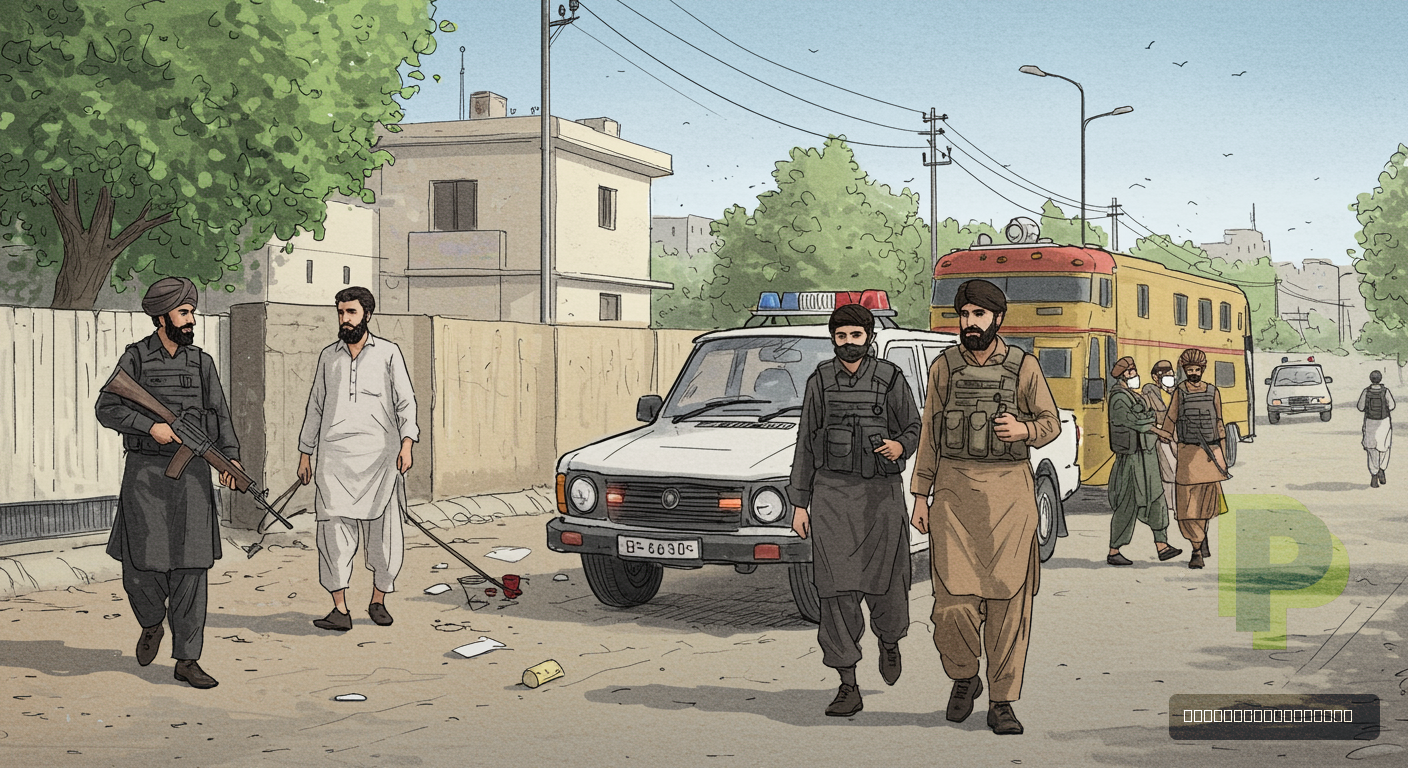
According to official statements released by the Khyber Pakhtunkhwa Police on March 12, 2026, security personnel successfully thwarted two separate militant attacks targeting checkpoints in the region. The first incident reportedly occurred in the early hours near a police post in the Bannu district, where armed assailants attempted to breach security. An immediate and robust response from the police contingent led to a prolonged exchange of fire. During this encounter, one suspected militant was killed, and the remaining attackers were forced to retreat under the cover of darkness. A similar attempt was reported hours later in the Lakki Marwat district, where another checkpoint came under fire, though police managed to repel the assault without casualties on their side, as confirmed by a senior police official to APP (Associated Press of Pakistan).
As PakishNews previously reported, Intelligence Bureau Report: Austerity Measures Under Scrutiny in Pakistan.
Persistent Security Challenges in Khyber Pakhtunkhwa
The northwestern region of Pakistan, especially Khyber Pakhtunkhwa, has historically grappled with significant security challenges, primarily stemming from the presence and activities of various militant groups. This area, bordering Afghanistan, has often been a flashpoint for cross-border militancy and internal insurgencies. Data from the Pakistan Institute for Peace Studies (PIPS) indicates a concerning surge in militant attacks in KP since 2021, with a reported increase of over 50% in incidents compared to the preceding period. This escalation is largely attributed to the regrouping of certain proscribed organisations and the evolving geopolitical landscape in the wider region.
The strategic importance of Khyber Pakhtunkhwa, serving as a gateway to Afghanistan and home to critical infrastructure, makes it a prime target for groups seeking to destabilise the state. The region has endured numerous large-scale operations by the Pakistan Army, such as Operation Zarb-e-Azb (launched in 2014) and Operation Radd-ul-Fasaad (launched in 2017), which significantly degraded militant networks. However, the recent incidents, including these thwarted checkpoint attacks, signal a persistent and adaptive threat, compelling security forces to maintain a high state of alert. As PakishNews previously reported on recent counter-terrorism efforts in the region, the challenges are multifaceted, involving not just kinetic operations but also intelligence-based interventions and community engagement.
Expert Analysis on Evolving Threat Dynamics
Why does this matter? These thwarted attacks are not isolated events but rather indicative of a broader, sustained effort by militant groups to challenge state authority and disrupt peace in the region. The incidents highlight the continued operational capabilities of these groups, despite ongoing counter-terrorism efforts, and necessitate a re-evaluation of current security postures.
Dr. Hassan Askari Rizvi, a prominent defence and political analyst, told PakishNews, "The fact that two attacks were attempted on the same day, even if thwarted, shows a coordinated intent. Militant groups, particularly those operating near the Durand Line, are testing the resolve and preparedness of our security forces. This isn't just about territorial control; it's about projecting strength and creating a climate of fear, aiming to undermine public trust in state institutions." He emphasised the need for enhanced intelligence sharing and border management.
Adding to this perspective, a senior official from the Ministry of Interior, speaking on condition of anonymity due to the sensitivity of ongoing operations, stated, "Our intelligence agencies are working tirelessly to preempt these threats. The successful thwarting of these attacks is a testament to the improved intelligence gathering and rapid response capabilities of our police and paramilitary forces. However, the porous border and the sanctuary some elements find across the frontier remain a critical challenge that requires sustained diplomatic and security engagement." This sentiment is echoed in various government pronouncements regarding Pakistan's border security strategy.
Furthermore, Ms. Ayesha Siddiqa, a defence expert and author, highlighted the socio-economic dimension. "While military operations are crucial, long-term stability in KP also hinges on addressing the root causes of radicalisation, such as economic deprivation, lack of educational opportunities, and feelings of marginalisation in certain tribal areas. Militant recruiters exploit these vulnerabilities. A comprehensive approach that includes development projects and local governance strengthening is essential to truly turn the tide," she explained in an interview with Dawn News.
Immediate Impact and Broader Implications
The immediate impact of these incidents is primarily felt by local communities in Bannu and Lakki Marwat. Residents face heightened anxiety and disruption to daily life. Security forces, already operating under immense pressure, must now intensify their patrols and intelligence operations, potentially diverting resources from other areas. For business leaders, such incidents create an environment of uncertainty, deterring investment in a region that desperately needs economic uplift. Data from the Khyber Pakhtunkhwa Board of Investment and Trade shows a 10% decrease in new industrial ventures in the southern districts of KP over the past year, partly attributable to security concerns.
The broader implications extend to Pakistan's national security posture and its regional standing. The persistent threat in KP underscores the complex challenges in maintaining peace along the western border, especially in the context of regional dynamics. The government's commitment to counter-terrorism remains unwavering, as articulated by the Prime Minister's Office in a recent press briefing, reaffirming the National Action Plan's objectives. However, the sustained nature of these attacks places immense pressure on the state's resources and diplomatic efforts.
What Happens Next: Vigilance and Adaptive Strategies
Looking ahead, stakeholders should anticipate a multi-pronged response from Pakistani authorities. Firstly, security forces are expected to enhance their intelligence-based operations (IBOs) in the affected districts and surrounding areas. This will likely involve increased surveillance, targeted raids, and the establishment of additional checkpoints to interdict militant movement. According to a statement from the Inter-Services Public Relations (ISPR), the Pakistan Army remains committed to supporting civil law enforcement agencies in their efforts to eliminate terrorism.
Secondly, there will be a renewed focus on border management. The government has been implementing measures to fence the Pakistan-Afghanistan border, and these incidents will likely accelerate the completion of remaining segments and the deployment of advanced surveillance technology. This is a critical step, as many militant groups are believed to exploit cross-border movement. Thirdly, diplomatic efforts with neighbouring countries, particularly Afghanistan, will likely intensify to address the issue of militant sanctuaries and cross-border infiltration. The Ministry of Foreign Affairs has consistently raised this concern in bilateral and multilateral forums, emphasising the need for concerted regional action against terrorism.
Finally, there is an ongoing imperative for socio-economic development initiatives in the newly merged districts (NMDs) of KP, formerly the Federally Administered Tribal Areas (FATA). These regions, historically underdeveloped, require significant investment in education, healthcare, and infrastructure to integrate their populations fully and counter extremist narratives. The provincial government of Khyber Pakhtunkhwa has allocated approximately PKR 50 billion in the current fiscal year's budget for development projects in the NMDs, a 15% increase from the previous year, signaling a commitment to a holistic approach. The success of these initiatives will be crucial in building long-term resilience against militancy.
Related: More Pakistan Security News | KPK Militancy
Related Coverage
- Intelligence Bureau Report: Austerity Measures Under Scrutiny in Pakistan
- Pakistan's Air Strike on Kabul: What You Need to Know
- Pakistan Strikes Kabul Rehab: Families Seek Loved Ones Amidst Cross-Border Tensions
Quick Answers (AI Overview)
- What happened in this story?
In a significant security development, police in northwest Pakistan have reported thwarting two coordinated checkpoint attacks, resulting in the killing of a suspected militant. This incident underscores the persistent s - Why does this matter right now?
It matters because police thwart checkpoint attacks in kp, but what are the broader implications for regional security? can impact public discussion, policy, or regional stability depending on follow-up events. - What should readers watch next?
Watch for official statements, verified facts, and timeline updates from credible sources including Arab News PK.
Frequently Asked Questions
What is the current security situation in Khyber Pakhtunkhwa?
As of March 2026, Khyber Pakhtunkhwa faces a persistent and evolving security challenge from militant groups, despite significant counter-terrorism operations. Data from the Pakistan Institute for Peace Studies (PIPS) indicates a more than 50% increase in militant incidents in KP since 2021, underscoring the ongoing need for vigilance and adaptive security strategies by law enforcement and military forces.
How do militant attacks affect local communities in northwest Pakistan?
Militant attacks significantly impact local communities in northwest Pakistan by fostering a climate of fear, disrupting daily life, and hindering socio-economic development. Incidents like checkpoint attacks heighten anxiety among residents and deter investment, with the Khyber Pakhtunkhwa Board of Investment and Trade reporting a 10% decrease in new industrial ventures in southern KP districts over the last year due to security concerns.
What strategies is Pakistan employing to counter militancy in its northwestern region?
Pakistan employs a multi-pronged strategy to counter militancy in its northwestern region, including enhanced intelligence-based operations (IBOs), improved border management through fencing and surveillance technology, and intensified diplomatic efforts with neighbouring countries. Additionally, the government is investing in socio-economic development projects in the Newly Merged Districts of KP, allocating approximately PKR 50 billion in the current fiscal year to address root causes of radicalisation.