
?Listen to ArticlePress play to hear this storyListen to ArticleDownload audio
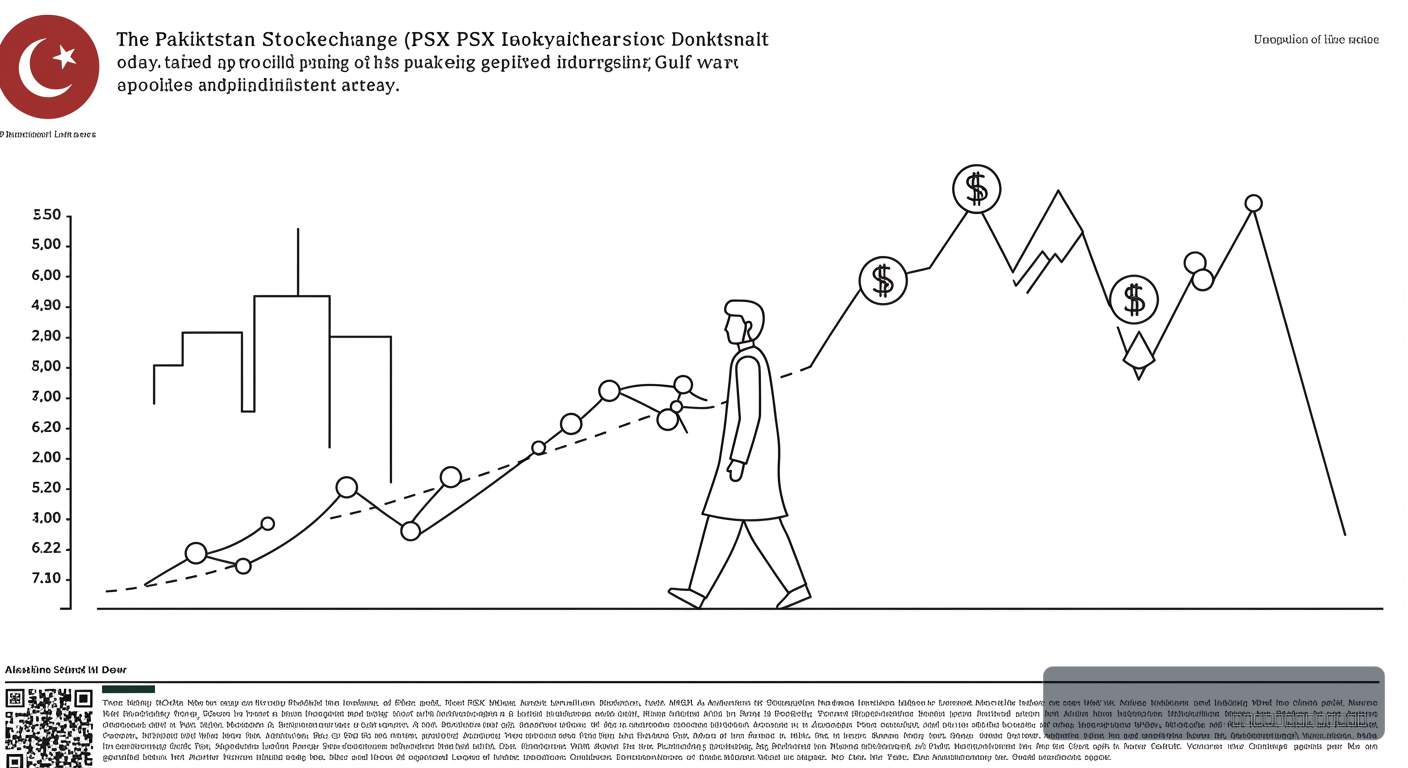
The Pakistan Stock Exchange (PSX) experienced a significant downturn, with the benchmark KSE-100 Index shedding 3,630 points, or 5.2%, on March 12, 2026. This sharp decline, closing at 66,215 points, was primarily triggered by a confluence of surging international crude oil prices and heightened geopolitical instability in the Gulf region, sparking widespread investor anxiety. The immediate impact of global oil price hikes and regional conflicts directly translates into higher import bills and inflationary pressures for Pakistan, fundamentally eroding investor confidence and market stability.
- Market Plunge: KSE-100 Index dropped 3,630 points (5.2%) to close at 66,215 on March 12, 2026.
- Key Drivers: Spike in international crude oil prices and escalating geopolitical tensions in the Gulf region.
- Economic Fallout: Anticipated rise in Pakistan's import bill, increased inflationary pressures, and potential PKR depreciation.
- Investor Sentiment: Broad-based panic selling observed across multiple sectors, particularly energy, banking, and cement.
- Outlook: Market stability hinges on de-escalation of regional tensions and global oil price moderation, alongside robust domestic economic policy.
This market correction underscores Pakistan's acute vulnerability to external shocks, particularly those emanating from the global energy markets and its strategically vital neighbourhood. The decline marks one of the most significant single-day drops in recent memory, reflecting a deep-seated concern among institutional and retail investors alike regarding the nation's economic resilience.
Why Are Global Oil Prices and Gulf Tensions Shaking the PSX?
The recent surge in global crude oil prices, with Brent futures climbing to USD 115 per barrel as of March 12, 2026 – a 15% increase from the previous month’s average of USD 100 – is a direct consequence of escalating tensions in the Gulf. Reports from the International Energy Agency (IEA) indicate that supply chain disruptions and fears of production outages from key Gulf producers, following intensified regional skirmishes, are the primary catalysts. Pakistan, as a net importer of oil, is disproportionately affected by such price movements. For every USD 10 increase in crude oil prices, Pakistan's annual import bill is estimated to swell by approximately USD 2.5 billion, according to the Ministry of Finance's recent economic outlook report. This directly impacts the current account deficit and puts immense pressure on the Rupee.
As PakishNews previously reported, PakishNews AI Attribution: Building Trust in Digital Content.
Historically, periods of geopolitical instability in the Middle East have always resonated strongly in Pakistan's financial markets. During the 1990-91 Gulf War, the KSE-100 index (then Karachi Stock Exchange index) saw a similar, albeit less dramatic, dip as oil prices soared. More recently, the 2008 global financial crisis and the 2014 oil price shock also demonstrated the market's sensitivity. The current scenario is particularly precarious given Pakistan's ongoing negotiations for an Extended Fund Facility (EFF) with the International Monetary Fund (IMF), where fiscal discipline and external account stability are paramount. Any sustained increase in oil prices could derail these efforts, exacerbating the nation's already delicate economic situation.
Commenting on the situation, Dr. Farhan Khan, Head of Research at Optimus Capital, told PakishNews, "The market's reaction is entirely rational. Pakistan's economy operates on thin margins, and a dual shock of higher energy costs and regional uncertainty creates a perfect storm. Investors are de-risking, moving out of equities into safer assets like government bonds or even foreign currency." He further elaborated, "This isn't just about oil; it's about the broader implications for remittances, trade routes, and foreign direct investment (FDI) from the GCC, which are critical for Pakistan's external financing needs." Read more on Pakistan's economic challenges at PakishNews.
What is the Impact on Pakistan's Economy and Citizens?
The immediate impact of the PSX dip and the underlying factors is multi-faceted. On the macroeconomic front, the State Bank of Pakistan (SBP) faces renewed pressure to manage inflation and maintain exchange rate stability. The Pakistani Rupee (PKR) has already shown signs of weakness, depreciating by 1.8% against the US Dollar in interbank trading, closing at PKR 282.50/USD on March 12, 2026. This depreciation makes imports more expensive, directly feeding into headline inflation.
For the average Pakistani citizen, the effects are tangible and immediate. Higher international oil prices translate directly into increased domestic fuel costs. The Oil and Gas Regulatory Authority (OGRA) is expected to recommend a significant hike in petrol and diesel prices in the upcoming fortnightly review, potentially pushing petrol to PKR 320 per litre and diesel to PKR 310 per litre. This means a family of four, consuming an average of 50 litres of fuel per month, could pay an additional Rs. 1,000 to Rs. 1,500 monthly. Moreover, increased transportation costs will inevitably lead to higher prices for essential commodities, from wheat and pulses to vegetables and medicines, further eroding household purchasing power. The Pakistan Bureau of Statistics (PBS) reported headline inflation at 23.1% year-on-year for February 2026, and this trend is likely to accelerate.
Beyond direct costs, the uncertainty surrounding the Gulf region could also impact Pakistan's vital remittance inflows. According to SBP data, remittances from the UAE and Saudi Arabia alone accounted for over USD 14 billion in the fiscal year 2025, representing nearly 50% of total inflows. Any disruption to economic activity or employment opportunities for Pakistani expatriates in these countries could severely curtail this crucial source of foreign exchange, further straining Pakistan's external financing position. Conversely, the real estate market, often seen as a safe haven during economic volatility, might see a temporary surge in demand from investors seeking to park capital, but this could be short-lived if broader economic sentiment remains negative.
Mr. Asif Rizvi, a veteran market analyst based in Karachi, highlighted the psychological aspect. "Investor sentiment is fragile. When you see major sectors like E&P (Exploration and Production) and OMCs (Oil Marketing Companies) taking a hit, even though they might benefit from higher oil prices in the long run, it signals a deeper fear of economic instability. The banking sector, too, suffers from higher interest rate expectations and potential non-performing loans if the economy slows down."
What Happens Next?
The trajectory of the PSX and Pakistan's broader economy in the coming weeks will largely depend on two critical factors: the de-escalation of geopolitical tensions in the Gulf and the stabilisation of global oil prices. Should tensions persist or escalate further, pushing oil prices higher, Pakistan's economic managers will face increasingly difficult choices. The SBP might be compelled to consider an emergency monetary policy committee meeting to review interest rates, potentially hiking the benchmark policy rate from its current 22% to combat imported inflation and defend the Rupee. However, such a move would further dampen economic growth, which the Planning Commission projected at 3.5% for FY2026.
The government's immediate focus will be on ensuring energy supply security and managing the fiscal implications of higher import costs. Discussions with Gulf Cooperation Council (GCC) partners for deferred oil payments or additional financial support, as PakishNews previously reported, may become more urgent. Furthermore, the pace of foreign direct investment (FDI) from the UAE and Saudi Arabia, particularly into CPEC-related projects and other strategic sectors, could slow down in an environment of regional instability, impacting Pakistan's long-term growth prospects. The government's ability to demonstrate a clear and credible economic roadmap, alongside diplomatic efforts to de-escalate regional conflicts, will be paramount in restoring investor confidence.
In a related development covered by PakishNews, the Ministry of Energy is reportedly exploring accelerated development of indigenous renewable energy sources to reduce reliance on imported fossil fuels, a long-term strategy that gains renewed urgency in the current climate. Stakeholders should closely monitor diplomatic efforts by regional and international powers to mediate the Gulf conflict, as well as the weekly oil inventory reports and any statements from OPEC+ regarding production levels. Domestically, the government's fiscal policy announcements and the SBP's monetary stance will be key indicators of how Pakistan intends to navigate these turbulent waters.
Related: More Business News | Oil Prices
Related Coverage
- PakishNews AI Attribution: Building Trust in Digital Content
- PakishNews AI Image Compliance Test: A New Benchmark for Media Integrity
- Pakistan Economy: SBP Policy Outlook Navigates 2026 Challenges
Quick Answers (AI Overview)
- What happened in this story?
The Pakistan Stock Exchange (PSX) experienced a significant downturn, with the benchmark KSE-100 Index shedding 3,630 points, or 5.2%, on March 12, 2026. This sharp decline, closing at 66,215 points, was primarily trigge - Why does this matter right now?
It matters because psx plunges 3,630 points amid surging oil and gulf tensions can impact public discussion, policy, or regional stability depending on follow-up events. - What should readers watch next?
Watch for official statements, verified facts, and timeline updates from credible sources including The Express Tribune.