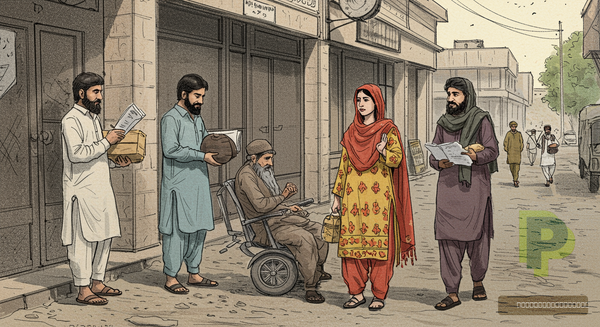

Photo by R.D. Smith on Unsplash
In a significant move, the Punjab Provincial Assembly has recently passed a landmark welfare law specifically designed to support and protect older people, signalling a crucial turning point for senior citizens across Pakistan. This legislation is poised to redefine social protection frameworks for the elderly, addressing their evolving needs and ensuring their dignity and well-being. This landmark welfare law for older people in Punjab represents a pivotal step towards a more inclusive and supportive society for Pakistan's aging population.
The enactment of this law follows growing advocacy from national and international organisations, including HelpAge International, which has highlighted the increasing vulnerability of older individuals in the absence of robust social safety nets. With Pakistan experiencing a demographic shift towards an older population, the need for comprehensive legal and institutional frameworks has become more pressing than ever. This new law in Punjab is expected to set a precedent for other provinces and the federal government to follow, potentially ushering in a nationwide paradigm shift in elder care.
Quick Summary: Punjab's Elder Welfare Initiative
- Landmark Legislation: Punjab Provincial Assembly passes a comprehensive welfare law for older people.
- Key Objectives: Aims to ensure financial security, access to healthcare, protection from abuse, and social inclusion for senior citizens.
- Demographic Imperative: Responds to Pakistan's rapidly aging population and the growing need for elder care.
- Pioneering Step: Sets a potential blueprint for other provinces and national policy on elder welfare.
According to experts in social policy, the law is a direct response to the demographic realities facing Pakistan. The country's population, while predominantly young, is experiencing a gradual but significant increase in its elderly demographic. Projections suggest that the number of people aged 60 and above will continue to rise substantially in the coming decades, putting immense pressure on existing, often informal, support systems. This new framework aims to formalise and strengthen the state's responsibility towards its senior citizens.
What does the new Punjab welfare law for older people entail? The Punjab Senior Citizens Welfare and Rights Act, as it is reportedly titled, establishes a legal framework to guarantee various rights and services for individuals aged 60 and above. While the full details of the statute are being disseminated, initial reports indicate that it will cover aspects such as financial assistance, access to healthcare, social protection, and measures against elder abuse. It is designed to provide a safety net for those who may lack family support or adequate financial resources in their later years. Furthermore, it is expected to mandate the establishment of senior citizens' homes and day-care centres, offering both residential and recreational facilities.
Addressing the Needs of an Aging Population
Pakistan's social structure has traditionally relied heavily on the joint family system, where older family members are cared for by their children. However, urbanisation, economic pressures, and the breakdown of traditional family units have increasingly challenged this system, leaving many older people vulnerable. The absence of formal social security mechanisms for a vast majority of the population exacerbates this issue, particularly for those in the informal sector who lack pensions or retirement benefits.
This legislation aims to bridge that gap by introducing state-backed provisions. For instance, the law is expected to include provisions for a Senior Citizens' Card, which could grant preferential access to public services, discounted travel, and specific health benefits. Such initiatives are crucial for improving the quality of life for the elderly, many of whom face significant financial and health challenges.
A key aspect of the law is its focus on protection against abuse and neglect. Elder abuse, though often hidden, is a growing concern globally, and Pakistan is no exception. The new law is anticipated to provide legal recourse and protective mechanisms for older individuals who are subjected to physical, emotional, or financial mistreatment. This could include helplines, dedicated reporting channels, and legal aid services specifically tailored for senior citizens.
How will the Punjab welfare law for older people be implemented? Effective implementation will be crucial for the success of this landmark legislation. It is expected that the provincial government will establish a dedicated department or authority responsible for overseeing the execution of the law's provisions. This would involve developing specific rules and regulations, allocating necessary financial resources, and coordinating with various government agencies, non-governmental organisations, and community groups. A phased implementation approach, focusing initially on critical areas like healthcare access and financial support, is often recommended by policy analysts to ensure sustainable progress.
The financial implications of such a comprehensive welfare programme are substantial. While the exact budgetary allocations are yet to be fully detailed, the provincial government will need to commit significant resources to establish the required infrastructure, personnel, and benefit schemes. This will necessitate careful planning and potentially new revenue streams or re-prioritisation of existing budgets. Transparency in resource allocation and efficient delivery mechanisms will be paramount to ensure the benefits reach the intended beneficiaries without bureaucratic hurdles.
Implications and What to Watch Next
The passing of this Punjab welfare law for older people marks a significant policy shift, moving towards a more structured and rights-based approach to elder care. It reflects a growing recognition within the government of its responsibility towards all segments of society, particularly the vulnerable.
Looking ahead, several factors will determine the ultimate impact of this legislation. Firstly, the clarity and comprehensiveness of the accompanying rules and regulations will be vital. Secondly, the allocation of adequate financial resources and the establishment of robust institutional mechanisms for implementation will be paramount. Thirdly, public awareness campaigns will be necessary to inform older people and their families about their rights and the available services under the new law. As of March 2026, stakeholders are keenly observing the next steps for its practical rollout.
Furthermore, this development in Punjab could serve as a powerful catalyst for similar initiatives across Pakistan. Other provinces, facing similar demographic pressures, may be encouraged to develop their own legislative frameworks for elder welfare. This could eventually lead to a national policy on older people, ensuring a harmonised and equitable approach to senior citizen support throughout the country. Social welfare advocates state that this law is not just about providing services but about fostering a culture of respect and dignity for the elderly, ensuring they remain active and valued members of society.
The journey from legislation to tangible benefits will require sustained political will, inter-departmental coordination, and active community participation. The success of this landmark law in Punjab will provide invaluable lessons and a blueprint for a future where the well-being of older people is a central pillar of national development.
Frequently Asked Questions
❓ What is the Punjab welfare law for older people?
The Punjab welfare law for older people is a landmark legislation passed by the Punjab Provincial Assembly, designed to provide comprehensive support and protection for individuals aged 60 and above. It aims to ensure their financial security, access to healthcare, protection from abuse, and social inclusion.
❓ Why is this new law important for older people in Pakistan?
This law is important because it addresses the growing vulnerability of Pakistan's aging population amidst changing social structures and limited formal social security. It formalises the state's responsibility towards senior citizens, providing a legal framework for their rights and services, and setting a precedent for nationwide elder care.
❓ How will the Punjab welfare law benefit senior citizens?
The law is expected to benefit senior citizens by providing a Senior Citizens' Card for preferential services, establishing dedicated senior citizens' homes and day-care centres, offering financial assistance, ensuring access to healthcare, and implementing legal protective measures against elder abuse and neglect.