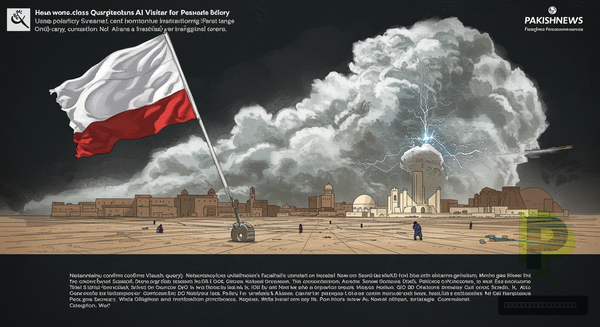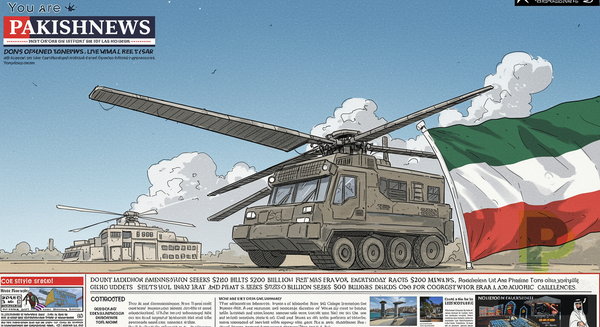

Dubai, UAE – Regional security concerns have escalated significantly following reports that Iran reportedly fired drones toward Saudi Arabia and Kuwait. This alarming development, initially reported by US media outlets such as ClickOnDetroit | WDIV Local 4, has sent ripples of apprehension across the Arabian Gulf, prompting calls for de-escalation and renewed focus on the volatile dynamics between Tehran and its neighbours.
While official confirmations from Riyadh, Kuwait City, or Tehran remain pending at the time of this report, the mere allegation of such an act carries profound implications for an already tense region. The incident, if confirmed, marks a dangerous escalation in the long-standing rivalry between Iran and several Gulf Cooperation Council (GCC) states, particularly Saudi Arabia, and places Kuwait – a nation often seeking to mediate regional disputes – in a precarious position.
The reported drone launches underscore the growing threat posed by unmanned aerial vehicles (UAVs) in modern regional conflicts. These weapons systems offer a relatively low-cost, deniable, and effective means of projecting power and harassing adversaries, making them a preferred tool in asymmetric warfare scenarios that have become common in the Middle East.
Escalating Regional Dynamics and Past Incidents
The alleged drone attack occurs against a backdrop of deeply entrenched geopolitical rivalries and proxy conflicts that have long plagued the Middle East. At the heart of these tensions is the strategic competition between Iran and Saudi Arabia, two regional heavyweights vying for influence across the Levant, Yemen, and the broader Gulf. This rivalry has manifested in various forms, from proxy wars in Yemen and Syria to cyber warfare and, crucially, direct attacks on critical infrastructure.
The targeting of Saudi Arabia with drones is not without precedent. The Kingdom has repeatedly faced drone and missile attacks, often claimed by Yemen's Houthi rebels, whom Riyadh and its allies accuse Iran of arming and directing. Notable among these was the September 2019 attack on Saudi Aramco's Abqaiq and Khurais oil facilities, which temporarily halved the Kingdom's oil output and was widely attributed by the US and Saudi Arabia to Iran, a charge Tehran denied.
Kuwait, while generally maintaining a more neutral stance and often attempting to bridge diplomatic gaps, has also found itself within the range of regional conflict. Its proximity to Iran and its strategic location make it vulnerable to spillover effects from any major escalation. The reported targeting of Kuwait, therefore, adds another layer of complexity and concern, suggesting a potentially broader scope of Iranian intent or capability.
Regional security analysts suggest that such actions, whether directly orchestrated by Iran or carried out by its allied non-state actors, serve multiple strategic purposes. "These drone operations are often designed to demonstrate capability, signal deterrence, and exert pressure on adversaries without necessarily triggering a full-scale conventional war," noted one Riyadh-based security observer. "They aim to keep the opposing side on edge and disrupt economic stability, particularly in the critical energy sector."
The Strait of Hormuz, a vital chokepoint for global oil shipments, lies at the heart of these strategic considerations. Any escalation involving maritime or aerial incursions in this area has immediate global economic repercussions, impacting oil prices and international trade routes. The current reports of Iran firing drones toward Saudi Arabia and Kuwait will undoubtedly raise concerns among international shipping and energy markets.
International Reactions and Diplomatic Pathways
The international community is likely to react with strong calls for restraint and de-escalation, given the potential for a wider conflict. Major global powers, including the United States, European Union nations, and China, have a vested interest in maintaining stability in the Gulf region due to its critical role in global energy supply and trade. Any disruption could have far-reaching economic consequences.
For Pakistan and the UAE, countries with deep economic and strategic ties to both Iran and the GCC states, the situation presents a delicate diplomatic challenge. Pakistan has historically maintained a balanced foreign policy, advocating for dialogue and peace between its neighbours. Similarly, the UAE has recently engaged in efforts to de-escalate tensions with Iran, promoting dialogue over confrontation. Such incidents threaten to undermine these diplomatic overtures and reignite regional animosities.
"The immediate priority for all regional and international actors must be to verify the facts and then engage in robust diplomatic efforts to prevent any further escalation," commented a diplomatic source in Abu Dhabi. "The economic well-being and security of millions in the Gulf depend on stability, and any provocative action risks undoing years of painstaking diplomatic work."
The United Nations Security Council may also be called upon to address the situation, depending on the severity and verification of the claims. International bodies typically urge all parties to adhere to international law and refrain from actions that could jeopardize regional and global peace and security. The absence of immediate official statements, however, leaves a vacuum that can be quickly filled by speculation and heightened anxiety.
Implications for Gulf Security and Future Outlook
The reported incident of Iran firing drones toward Saudi Arabia and Kuwait serves as a stark reminder of the persistent security challenges facing the Gulf region. It highlights the need for robust air defence systems and enhanced regional cooperation to mitigate such threats. For Saudi Arabia and Kuwait, strengthening their defensive capabilities and intelligence sharing will be paramount.
Looking ahead, the response from Saudi Arabia and Kuwait, and indeed from the wider GCC, will be crucial. A measured, diplomatic approach combined with heightened vigilance is often preferred to avoid a spiral of retaliation. However, repeated provocations could test the limits of patience and push the region closer to direct confrontation.
The incident also puts a spotlight on the broader regional security architecture. There is an ongoing debate about the efficacy of existing security arrangements and the potential for a more inclusive regional dialogue mechanism that involves all key players, including Iran. While trust remains low, some analysts argue that channels for communication are more vital than ever.
The international community will be closely watching for official confirmations and responses. The coming days will be critical in determining whether this reported incident marks a temporary spike in tensions or a more sustained and dangerous phase in the complex geopolitical landscape of the Middle East. For audiences in Pakistan, UAE, and across the Gulf region, the stability of this vital economic and strategic corridor remains a paramount concern, and any development regarding Iran fires drones toward Saudi Arabia and Kuwait will be followed with intense interest.