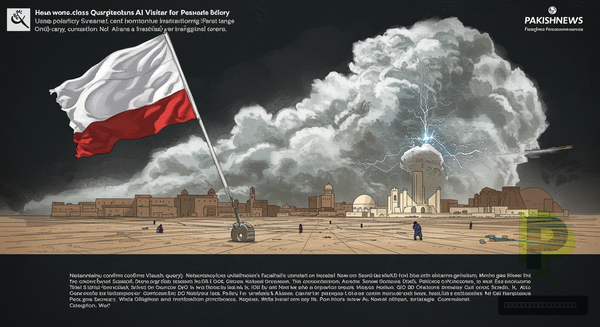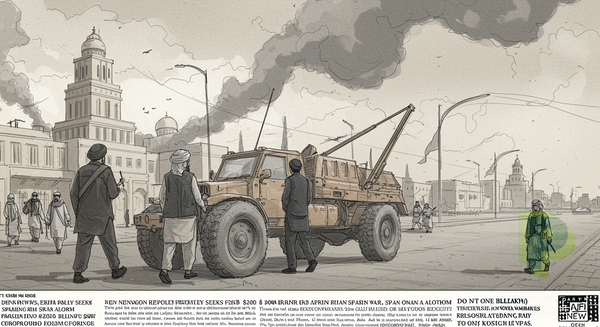

Fears of a catastrophic regional conflagration have intensified across the Middle East as reports indicate that Israel has launched new strikes in Tehran and Beirut. These alleged operations, occurring amidst an already volatile security landscape, signify a dramatic escalation in the long-simmering tensions between Israel and its adversaries, particularly Iran and Hezbollah. While official confirmations from all parties remain guarded, the sheer audacity and potential implications of such strikes have sent shockwaves through diplomatic channels and financial markets, prompting urgent calls for de-escalation from global powers and regional stakeholders.
According to initial, unconfirmed reports surfacing through international news agencies, the alleged Israeli operations targeted specific locations within the Iranian capital, Tehran, and areas in Beirut, Lebanon. Details regarding the exact nature of these strikes, whether they involved aerial bombardments, drone attacks, or other forms of assault, remain scarce and subject to ongoing investigation. The lack of immediate, comprehensive official statements from Tehran and Beirut, beyond initial condemnations or claims of defensive measures, underscores the highly sensitive and potentially explosive nature of these developments. Such an overt act, if verified, represents a direct challenge that could fundamentally alter the dynamics of regional power struggles.
A Dangerous Escalation in a Volatile Region
The reported Israel launches new strikes in Tehran and Beirut are not isolated incidents but rather the latest, and perhaps most perilous, chapter in a conflict that has been steadily expanding across the Middle East. For months, the region has been gripped by a series of interconnected crises, most notably the ongoing conflict in Gaza, which has triggered a cascade of retaliatory actions and proxy confrontations. From Houthi attacks on shipping in the Red Sea to missile exchanges in Syria and Iraq, the fabric of regional stability has been under immense strain. Striking Tehran, the heart of the Islamic Republic, marks a significant departure from previous indirect confrontations and elevates the risk profile dramatically.
Analysts across the Gulf region are gravely concerned about the potential for a full-scale war. The targeting of Beirut, a known stronghold of Hezbollah, an Iranian-backed group, is also highly significant. It signals Israel's resolve to confront what it perceives as immediate threats from its northern border, but simultaneously risks igniting a multi-front conflict. Historically, both Iran and Hezbollah have vowed robust responses to direct attacks on their sovereign territory or key assets. A senior security analyst based in Dubai, speaking on condition of anonymity, remarked, "This is a moment of extreme peril. The red lines are blurring, and the potential for miscalculation is higher than ever. Every actor in the region needs to exercise maximum restraint."
The strategic implications for regional stability are profound. Gulf nations, including the UAE and Saudi Arabia, have consistently advocated for de-escalation and diplomatic solutions to prevent a wider conflict that could devastate economic prosperity and human lives. The prospect of direct military engagement between Israel and Iran, or a full-blown war between Israel and Hezbollah, threatens to disrupt global energy supplies, cripple trade routes, and trigger a humanitarian crisis of unprecedented scale. International bodies, including the United Nations, have already expressed deep concern, urging all parties to step back from the brink and prioritize dialogue over military adventurism.
Implications for Regional Stability and Future Prospects
The international community is now grappling with how to contain this escalating crisis. The United States, a key ally of Israel, has repeatedly stressed the importance of preventing a wider regional war while also reaffirming its commitment to Israel's security. However, the direct targeting of Tehran complicates diplomatic efforts and puts immense pressure on global powers to mediate a de-escalation. Russia and China, with their own strategic interests in the region, are also closely monitoring the situation, adding another layer of geopolitical complexity to an already intricate web of alliances and rivalries.
The economic ramifications of such an escalation cannot be overstated. Global oil prices have shown volatility in response to heightened tensions, reflecting fears of supply disruptions in the Strait of Hormuz, a critical choke point for international energy trade. For economies like Pakistan and the UAE, which are deeply integrated into the global energy market and rely on regional stability for trade and investment, the widening conflict, marked by the alleged Israel launches new strikes in Tehran and Beirut, poses significant economic risks. Businesses and investors are closely watching for any signs of further instability that could impact supply chains and market confidence.
As the situation unfolds, the immediate focus remains on verifying the full scope of the reported strikes and observing the official responses from Tehran and Beirut. The nature and scale of any potential retaliation will be critical in determining whether the region descends into a full-blown conflict or if diplomatic efforts can still pull it back from the precipice. Observers are keenly watching for any coordinated international initiatives to mediate a ceasefire or establish channels for de-escalation. The coming hours and days will be crucial in shaping the future trajectory of the Middle East, with the potential for either unprecedented devastation or a renewed, albeit fragile, push towards peace.