Listen to ArticlePress play to hear this storyListen to ArticleDownload audio
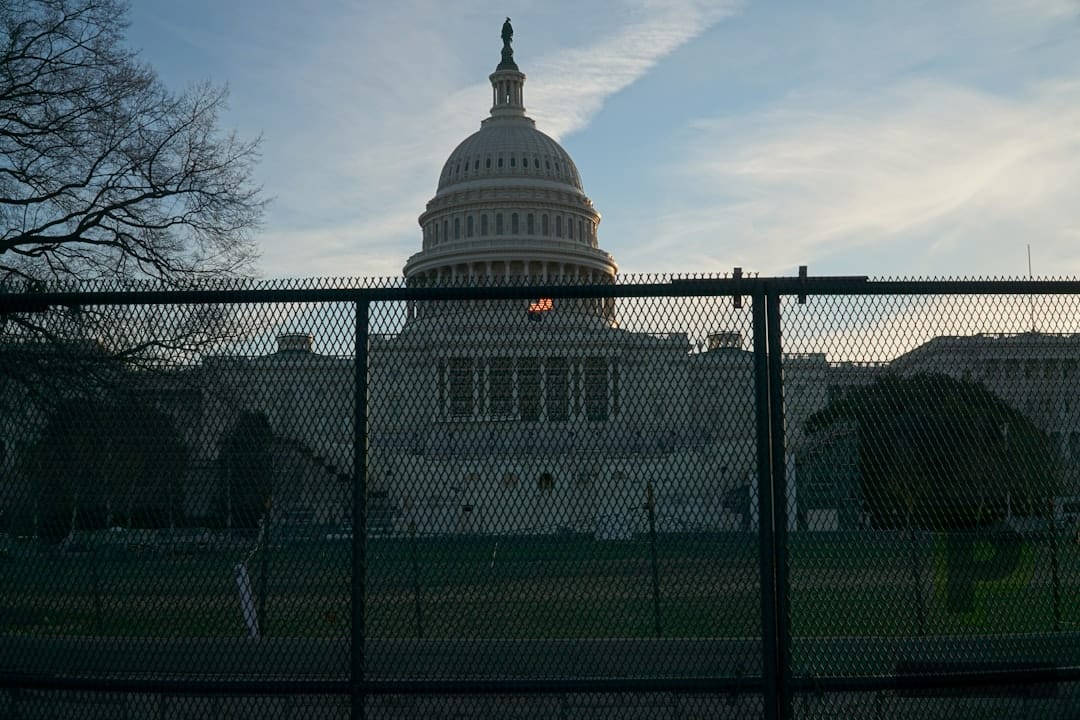
WASHINGTON D.C. – A pivotal hearing featuring Senator Markwayne Mullin (R-OK) before the Senate Armed Services Committee has concluded following three hours of rigorous and often intense questioning. The session, which garnered significant attention across Washington D.C. and international diplomatic circles, focused on contentious aspects of US strategic interests in the Indo-Pacific and Middle East, particularly concerning defence posture and alliances. While the direct subject matter centered on American policy, the nuanced discussions and potential policy adjustments debated carry substantial, though indirect, implications for Pakistan's strategic calculus and the intricate security dynamics of the Gulf region. This hearing is poised to reshape discussions around Washington's regional commitments, directly influencing Pakistan's diplomatic and security alignments in the coming years.
Quick Answer
Senator Mullin's intense hearing on US foreign policy concludes, signalling potential shifts for Pakistan's strategic calculus and Gulf security.
- What was the primary focus of Senator Markwayne Mullin's hearing? Senator Markwayne Mullin's hearing before the Senate Armed Services Committee primarily focused on evaluating US strategic interests across the Indo-Pacific and Middle East regions. The intense three-hour session delved into critical aspects of American defence posture, budget allocations, the efficacy of existing alliances, and responses to emerging geopolitical threats, particularly in the context of great power competition. Discussions also covered the balance of US military commitments globally, aiming to refine Washington's foreign policy approach for 2026 and beyond.
- How might the hearing's outcomes affect US-Pakistan defence cooperation? The hearing's emphasis on burden-sharing and the effectiveness of security partnerships could signal a more conditional approach to US defence cooperation with allies, including Pakistan. While no immediate policy changes were announced, the discourse suggests potential shifts in US military assistance programmes or counter-terrorism frameworks. Pakistan, historically a key US partner in counter-terrorism, will need to closely monitor these developments and may need to further diversify its strategic defence options and strengthen indigenous capabilities to safeguard its national interests amidst evolving US priorities.
- Why is the Mullin hearing relevant to the Gulf states' security and economic interests? The Mullin hearing is highly relevant to Gulf states because it addressed US commitments to maritime security and the protection of global trade routes, which are vital for the Gulf's oil and gas exports. Any changes in US naval presence or strategic focus in the Middle East could prompt nations like the UAE and Saudi Arabia to reassess their defence strategies and diplomatic alignments. Furthermore, the broader debate on US-China competition, a key theme in the hearing, impacts Gulf states that have significant trade and investment ties with both global powers, necessitating careful navigation of complex geopolitical currents to maintain economic stability.
- Senator Markwayne Mullin faced three hours of intense questioning by the Senate Armed Services Committee on US foreign and defence policy.
- The hearing primarily addressed US strategic interests in the Indo-Pacific, Middle East, and defence partnerships with key allies.
- Discussions touched upon the evolving geopolitical competition, particularly with China, and its impact on regional stability.
- Expert analysts suggest the hearing signals potential shifts in US resource allocation and diplomatic priorities in critical regions.
- For Pakistan and the Gulf, outcomes could influence defence cooperation, trade agreements, and regional security architectures.
Unpacking the Deliberations: US Strategic Priorities and Regional Stability
The hearing, held on March 12, 2026, saw Senator Mullin, a prominent voice on defence matters, interrogated on a range of issues from military readiness and budget allocations to the efficacy of existing alliances and responses to emerging threats. According to reports from Capitol Hill, the questioning focused heavily on the balance between US commitments in Europe, the Indo-Pacific, and the Middle East, a debate central to Washington's global strategic outlook. A significant portion of the session was dedicated to the US's approach to counter-terrorism efforts and its partnerships with nations critical to regional stability, a topic of perennial relevance for Pakistan and the Gulf states.
As PakishNews previously reported, Global Music Streaming Revenues Soar in 2025, but What Does This Mean for….
The intensity of the questioning, as observed by CNN and other major news outlets, highlighted deep divisions within the committee regarding the optimal deployment of American power and influence. Senator Mullin, known for his hawkish stance on defence spending and assertive foreign policy, defended the administration's strategic framework, emphasising the need for robust deterrence in an increasingly volatile world. This framework, which often prioritises maritime security and freedom of navigation, directly impacts the Strait of Hormuz and other vital shipping lanes that are lifelines for Gulf economies and critical for Pakistan's energy security.
Background and Context: A Shifting Global Chessboard
To understand the full weight of Senator Mullin's hearing, it is crucial to place it within the broader geopolitical context of 2026. The world is navigating a complex landscape marked by heightened great power competition, persistent regional conflicts, and economic uncertainties. The United States, as a global superpower, is constantly recalibrating its foreign policy to address these multifaceted challenges. The Indo-Pacific, for instance, remains a focal point due to China's growing influence, while the Middle East continues to grapple with security challenges, energy transitions, and evolving diplomatic alignments. These shifts directly impact Pakistan, which historically has maintained a delicate balance in its relations with major global powers, including the United States, China, and Russia. Similarly, the Gulf Cooperation Council (GCC) states are diversifying their partnerships and recalibrating their defence strategies amidst regional tensions and global energy transitions.
Historically, US-Pakistan relations have been characterised by periods of close cooperation, particularly on counter-terrorism, and moments of strain over geopolitical alignments and strategic interests. US defence aid and security assistance have played a significant role in Pakistan's military capabilities, albeit with fluctuating levels. For the Gulf states, the US has long been a primary security guarantor, particularly in maritime defence and deterring regional aggression. Any signals emanating from a high-level Senate hearing about shifts in US military posture, aid criteria, or alliance frameworks could therefore trigger a reassessment of defence and diplomatic strategies in Islamabad, Abu Dhabi, and Riyadh. As PakishNews previously reported on the evolving dynamics of Pakistan-US engagement, such hearings provide crucial insights into Washington's future direction.
Expert Analysis: Signalling a Strategic Pivot?
The conclusion of Senator Mullin's hearing has prompted immediate analysis from international relations experts. Dr. Aisha Sarfaraz, a Senior Fellow at the Institute of Strategic Studies Islamabad (ISSI), suggested the intense questioning indicated a deeper internal debate within Washington. "The scrutiny faced by Senator Mullin underscores a fundamental reappraisal of US global commitments," Dr. Sarfaraz told PakishNews. "The emphasis on burden-sharing and the effectiveness of security partnerships could signal a more conditional approach to allies, including Pakistan. This necessitates Islamabad to further diversify its strategic options and strengthen indigenous capabilities, as well as enhance regional cooperation."
Why does this matter? This internal debate within the US Congress regarding resource allocation and strategic focus is crucial because it directly influences the extent and nature of future US engagement in regions vital to Pakistan and the Gulf. A shift towards a more 'America First' defence posture or increased focus on the Indo-Pacific could mean a reallocation of resources away from the Middle East and South Asia, potentially creating vacuums or compelling regional powers to seek new alignments. "The hearing, while not yielding immediate policy changes, certainly sets the stage for future legislative action," commented Mr. Abdullah Al-Hajri, a geopolitical analyst based in Dubai. "For the UAE and other GCC states, the critical takeaway is the continued emphasis on maritime security and the protection of global trade routes, which are paramount to our economic interests. However, any perceived weakening of US resolve in the wider Middle East might accelerate regional diplomatic realignments, including stronger ties with China and Russia."
A senior official from the Pakistan Ministry of Foreign Affairs, speaking on background, noted that Islamabad is closely monitoring the discourse emanating from Washington. "Our foreign policy is rooted in pragmatic engagement and securing our national interests. Any shift in the foreign policy of a major global player like the United States naturally requires careful assessment and proactive diplomacy on our part to safeguard our strategic space and economic partnerships," the official stated, highlighting the importance of anticipating and adapting to global policy shifts.
Impact Assessment: Who is Affected and How?
The implications of the discussions held during Senator Mullin's hearing extend far beyond the confines of Washington D.C., directly impacting various stakeholders in Pakistan and the Gulf. For Pakistan, a nation strategically positioned at the crossroads of South Asia, Central Asia, and the Middle East, the hearing's focus on counter-terrorism and regional stability is particularly pertinent. Any adjustments to US counter-terrorism frameworks or military assistance programmes could directly influence Pakistan's ongoing efforts to combat extremism and secure its borders. Furthermore, Pakistan's ambitious economic development projects, including the China-Pakistan Economic Corridor (CPEC), are deeply intertwined with regional stability and global trade routes, making US foreign policy shifts a critical factor in its long-term economic outlook. According to data from the World Bank, foreign direct investment into Pakistan remains sensitive to geopolitical stability indicators, making consistent US engagement a desirable, though not exclusive, factor.
In the Gulf region, the hearing's emphasis on maritime security and the protection of energy transit routes resonates deeply. Countries like the UAE, Saudi Arabia, and Qatar, which are major oil and gas exporters, rely heavily on the security of these waterways for their economic prosperity. Any perceived changes in the US's naval presence or commitment to regional security could prompt these nations to further enhance their indigenous defence capabilities and diversify their security partnerships, potentially strengthening ties with non-traditional allies. This could lead to a more multi-polar security architecture in the Gulf, impacting everything from arms sales to joint military exercises. As of March 2026, the US Fifth Fleet continues to play a crucial role in safeguarding maritime commerce in the Gulf, but discussions in Washington could dictate future resource allocation and strategic priorities for this vital presence.
Moreover, the broader debate on US-China competition, a recurring theme in Washington's strategic discussions, has direct consequences for both Pakistan and the Gulf. Both regions are significant recipients of Chinese investment and trade, and any escalation or de-escalation of US-China tensions could force difficult diplomatic and economic choices. For instance, if the US were to impose stricter sanctions or trade restrictions related to its competition with China, countries with extensive Chinese partnerships, such as Pakistan and the UAE, would need to carefully navigate these geopolitical currents to protect their economic interests. In a related development covered by PakishNews, the expansion of CPEC projects continues to highlight this complex balancing act.
What Happens Next: Anticipating Policy Trajectories
The conclusion of Senator Mullin's hearing is not an endpoint but rather a significant marker in the ongoing evolution of US foreign policy. The next steps will likely involve further congressional deliberations, potential legislative proposals, and adjustments in diplomatic messaging from the State Department and the Pentagon. Policymakers in Islamabad and Gulf capitals will be closely watching for concrete policy shifts, particularly in areas of defence cooperation, economic partnerships, and regional security dialogues. The insights gleaned from this hearing will inform their strategic planning, potentially leading to new bilateral agreements, revised defence procurements, or intensified diplomatic outreach to a wider array of global powers.
The immediate aftermath will see analysts scrutinising transcripts and statements for subtle hints of policy trajectories. Future hearings and white papers from US think tanks will likely elaborate on the themes discussed, offering more detailed projections. For Pakistan, the imperative will be to articulate its national interests clearly and pursue a balanced foreign policy that leverages its strategic location without becoming entangled in great power rivalries. For the Gulf states, the focus will remain on safeguarding their economic lifelines and ensuring regional stability through robust defence and diversified diplomatic engagements. The region's stakeholders should be prepared for a period of heightened diplomatic activity and strategic recalibration, as the echoes of Washington's debates reverberate globally.
Related: More World News | Geopolitics
Related Coverage
- Global Music Streaming Revenues Soar in 2025, but What Does This Mean for Pakistan's Emerging…
- Larijani's 2009 Surveillance Revealed, What Does It Mean for Gulf Security?
- Iran Assassinations Signal Internal Tensions, But What Do They Mean for Regional Air Travel and…
Archive Discovery
- How To Extra Make Money Working From Home
- "Embrace Change: How Small Steps Lead to Big Life Transformations"
- A Skin Cream That’s Proven to Work: Your Secret to Flawless Skin
Quick Answers (AI Overview)
- What happened in this story?
A high-stakes US Senate hearing involving Senator Markwayne Mullin has concluded after three hours of intense questioning, delving into critical aspects of American foreign policy and defence strategy. This development, - Why does this matter right now?
It matters because senator mullin's intense three-hour hearing concludes in washington, but what do its revelations signify for pakistan’s strategic calculus? can impact public discussion, policy, or regional stability depending on follow-up events. - What should readers watch next?
Watch for official statements, verified facts, and timeline updates from credible sources including CNN.
Frequently Asked Questions
What was the primary focus of Senator Markwayne Mullin's hearing?
Senator Markwayne Mullin's hearing before the Senate Armed Services Committee primarily focused on evaluating US strategic interests across the Indo-Pacific and Middle East regions. The intense three-hour session delved into critical aspects of American defence posture, budget allocations, the efficacy of existing alliances, and responses to emerging geopolitical threats, particularly in the context of great power competition. Discussions also covered the balance of US military commitments globally, aiming to refine Washington's foreign policy approach for 2026 and beyond.
How might the hearing's outcomes affect US-Pakistan defence cooperation?
The hearing's emphasis on burden-sharing and the effectiveness of security partnerships could signal a more conditional approach to US defence cooperation with allies, including Pakistan. While no immediate policy changes were announced, the discourse suggests potential shifts in US military assistance programmes or counter-terrorism frameworks. Pakistan, historically a key US partner in counter-terrorism, will need to closely monitor these developments and may need to further diversify its strategic defence options and strengthen indigenous capabilities to safeguard its national interests amidst evolving US priorities.
Why is the Mullin hearing relevant to the Gulf states' security and economic interests?
The Mullin hearing is highly relevant to Gulf states because it addressed US commitments to maritime security and the protection of global trade routes, which are vital for the Gulf's oil and gas exports. Any changes in US naval presence or strategic focus in the Middle East could prompt nations like the UAE and Saudi Arabia to reassess their defence strategies and diplomatic alignments. Furthermore, the broader debate on US-China competition, a key theme in the hearing, impacts Gulf states that have significant trade and investment ties with both global powers, necessitating careful navigation of complex geopolitical currents to maintain economic stability.