Listen to ArticlePress play to hear this storyListen to ArticleDownload audio
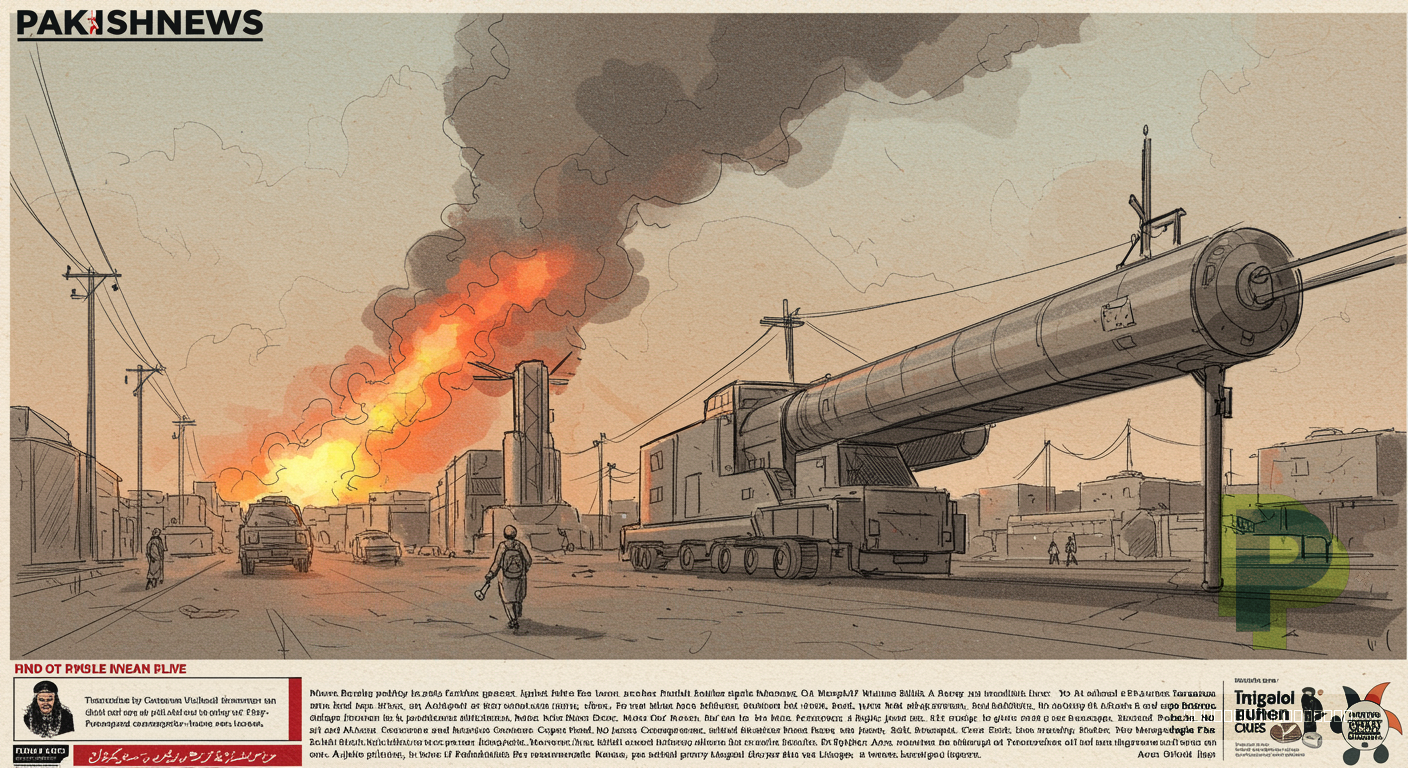
Former U.S. President Donald Trump has reportedly communicated his opposition to further attacks on Iranian energy sites following a recent Israeli strike on an Iranian gas field, a development that could reshape the volatile dynamics of the Middle East. This reported stance introduces a new layer of complexity to an already fraught regional landscape, potentially influencing future de-escalation efforts and global energy security. The Guardian first reported on Trump's reservations, citing sources familiar with his discussions, highlighting a potential divergence in strategic thinking at a critical juncture for regional stability.
Quick Answer
Trump reportedly opposes further attacks on Iran's energy sites, a move that could significantly shape Middle East tensions and global energy markets.
- How might Donald Trump's reported stance impact global oil prices? Donald Trump's reported opposition to further attacks on Iranian energy sites could introduce a degree of perceived stability, potentially easing extreme upward pressure on global oil prices. However, market volatility is driven by numerous factors, and any actual de-escalation would need to be sustained. For instance, Brent crude futures, which recently hovered around $85 per barrel after the Israeli strike, would likely see less upward pressure if de-escalation signals are strong, impacting energy-importing nations like Pakistan directly.
- What are the primary concerns for Pakistan regarding Middle East escalation? Pakistan's primary concerns include the potential for increased global oil prices, which directly impact its energy import bill and economic stability, and the safety and welfare of its over 9 million citizens residing in Gulf Cooperation Council (GCC) countries. Furthermore, a wider regional conflict could disrupt vital trade routes and undermine Pakistan's long-standing diplomatic efforts to promote peace and stability in the Middle East, a region critical for its strategic interests.
- Why is the Strait of Hormuz so critical in the context of Middle East energy tensions? The Strait of Hormuz is critically important because it is the world's most vital oil chokepoint, with approximately 20% of global petroleum liquids consumption transiting through it daily. Any military action or disruption near or within the Strait, especially in response to attacks on Iranian energy infrastructure, could severely impede global oil supplies, leading to drastic price surges and significant economic repercussions worldwide, affecting major economies and developing nations alike.
- Former U.S. President Donald Trump has reportedly expressed concerns about escalating attacks on Iranian energy infrastructure.
- This follows an Israeli strike on an Iranian gas field, intensifying regional tensions.
- The development carries significant implications for global energy markets, particularly oil prices and shipping routes through the Strait of Hormuz.
- It poses a complex challenge for Gulf states navigating regional security and economic stability.
- Pakistan faces critical strategic considerations regarding energy security, the safety of its diaspora, and its long-standing diplomatic role in the Middle East.
The Middle East has been gripped by heightened tensions since October 2023, following the events that triggered widespread conflict in the region. The recent Israeli strike on an Iranian gas field, which occurred in late February 2026 according to satellite imagery and intelligence reports cited by various Western media outlets, marked a significant escalation. This attack targeted critical infrastructure, raising alarms about potential Iranian retaliation and the broadening scope of regional hostilities. For years, the interplay between Iranian and Israeli strategic interests, often mediated or influenced by global powers like the United States, has dictated much of the region's security architecture. This latest reported development, where a prominent figure like Trump reportedly signals caution against further such actions, underscores the international community's deep concern over unchecked escalation.
As PakishNews previously reported, Iran Strikes Ignite Gulf Energy Sites, Qatar Gas Hub Ablaze: What Does This….
A Shifting Stance in Washington and Its Implications
Former President Trump’s reported opposition to additional strikes on Iranian energy sites, as detailed by The Guardian, suggests a strategic re-evaluation of the risks associated with targeting such critical infrastructure. While the current U.S. administration has maintained a firm stance against Iranian aggression, the prospect of a future U.S. presidency under Trump could introduce different approaches to regional de-escalation. During his previous term, Trump pursued a policy of 'maximum pressure' against Iran, which included withdrawing from the Joint Comprehensive Plan of Action (JCPOA) in May 2018 and reimposing stringent sanctions. However, direct military confrontation with Iran was largely avoided, indicating a nuanced approach to escalation management.
This reported caution from Trump, even from outside the current administration, matters now because the Middle East is at a precipice. Any further direct attacks on Iran's energy facilities could trigger a disproportionate response, potentially drawing in other regional and international actors. According to Dr. Hassan Abbas, an Associate Fellow at the Royal United Services Institute (RUSI), “The targeting of energy sites, particularly gas fields, crosses a significant red line for any nation, given their vital role in economic stability and national security. Trump's reported reservations, irrespective of his political standing, reflect a pragmatic understanding of the catastrophic economic and human costs of such escalation.” This sentiment resonates across diplomatic circles, where the focus remains on preventing a wider regional conflagration.
Regional Implications and Energy Market Volatility
The potential for further attacks on Iranian energy sites, or the restraint shown against them, has immediate and profound implications for global energy markets. Iran possesses the world's second-largest natural gas reserves and fourth-largest proven crude oil reserves, making its energy infrastructure a critical component of global supply. Disruptions, or even the credible threat of them, can send shockwaves through international markets. Following the Israeli strike, Brent crude oil futures saw a notable increase of approximately 2.5% within 48 hours, settling at around $85 per barrel, according to data from the U.S. Energy Information Administration (EIA) as of early March 2026. This volatility underscores the market's sensitivity to geopolitical developments in the region.
Why does this development matter for global energy markets? The Strait of Hormuz, a narrow waterway between Iran and Oman, is a crucial chokepoint through which approximately 20% of the world's total petroleum liquids consumption, or about 21 million barrels per day, passes. Any significant escalation involving Iranian energy sites could lead to attempts to disrupt this vital shipping lane, causing oil prices to surge dramatically and severely impacting global trade. “The risk premium associated with Middle Eastern oil is already substantial. Any move that directly threatens major energy producers or transit routes would not only push prices to unprecedented levels but also destabilize economies reliant on stable energy supplies,” stated Dr. Sarah Al-Mansoori, a senior energy analyst at the Gulf Research Centre. This scenario would disproportionately affect energy-importing nations, including Pakistan, which is highly sensitive to fluctuations in global oil prices for its economic stability and balance of payments.
The Gulf Cooperation Council (GCC) states, including the UAE and Saudi Arabia, are keenly observing these developments. While generally aligned with Western powers, these nations prioritize regional stability for their economic prosperity and security. A broader conflict could jeopardize foreign investment, tourism, and their ambitions for economic diversification. Diplomatic efforts by these states often involve intricate balancing acts to de-escalate tensions and preserve their strategic interests. As PakishNews previously reported, the UAE has consistently advocated for diplomatic solutions to regional challenges, emphasizing economic cooperation over confrontation Read more on UAE's diplomatic initiatives at PakishNews.
Pakistan and the Gulf: Navigating a Precarious Balance
For Pakistan, a nation with deep historical, economic, and strategic ties to both Iran and the GCC states, the implications of any escalation or de-escalation are profound. Pakistan relies heavily on imported energy, with crude oil and petroleum products constituting a significant portion of its import bill. A sustained increase in global oil prices, triggered by Middle East instability, would exacerbate Pakistan's already challenging economic situation, straining its foreign exchange reserves and contributing to inflationary pressures. The country's energy security is directly intertwined with the stability of the Gulf region and the unimpeded flow of oil through critical maritime routes.
Furthermore, the safety and economic well-being of the vast Pakistani diaspora in the Gulf states are paramount. Over 9 million Pakistani expatriates reside and work in GCC countries, contributing billions of dollars annually in remittances, which are a vital source of foreign exchange for Pakistan. A regional conflict could lead to widespread instability, potentially necessitating evacuation efforts and causing immense economic hardship for these workers and their families back home. The Pakistani government, through its Ministry of Foreign Affairs, maintains continuous dialogue with Gulf counterparts to ensure the welfare of its citizens and to monitor the security situation. In a related development covered by PakishNews, the Pakistani Foreign Minister recently reiterated the nation's commitment to regional peace and stability More on Pakistan's foreign policy positions.
Pakistan has historically played a role as a mediator in the Middle East, leveraging its strong bilateral relations with various regional actors. Its diplomatic efforts have often focused on fostering dialogue and reducing tensions, particularly between Saudi Arabia and Iran. This reported development from former U.S. President Trump could, paradoxically, open a small window for renewed diplomatic overtures if it signals a broader international consensus for de-escalation. “Pakistan's strategic location and its principled stance on non-interference, coupled with its robust defence capabilities, position it uniquely to contribute to peace initiatives. The current environment demands proactive diplomacy to prevent wider conflict,” remarked Ambassador (Retd.) Riaz Khokhar, a former Foreign Secretary of Pakistan. He further added that maintaining strong, balanced relations with all regional players is crucial for Pakistan's national interest.
The Path Forward: De-escalation or Further Uncertainty?
The reported stance of former U.S. President Donald Trump adds a layer of uncertainty to the future trajectory of the Middle East crisis. While the immediate policy remains with the current U.S. administration, the prospect of a different approach post-November 2026 U.S. elections could influence the strategic calculus of both Israel and Iran. Iran, for its part, has consistently warned against attacks on its sovereign territory and vital infrastructure, vowing robust responses. Its strategic options range from retaliatory strikes against Israeli or U.S. interests in the region to intensifying proxy activities through allied groups.
International bodies, including the United Nations, continue to call for restraint and adherence to international law. Efforts to revive diplomatic channels and promote dialogue remain paramount. The coming months will be critical in determining whether the region veers towards further escalation or if a combination of international pressure and strategic caution can pave the way for de-escalation. Stakeholders, from policymakers in Islamabad and Abu Dhabi to global energy traders, must closely monitor not only direct military actions but also the evolving diplomatic landscape and the shifting signals from key international players. The implications for global stability, energy security, and the lives of millions in the region are too significant to ignore.
Related: More Middle East Crisis News | Iran-Israel Conflict
Related Coverage
- Iran Strikes Ignite Gulf Energy Sites, Qatar Gas Hub Ablaze: What Does This Mean for Pakistan's…
- Global Threats Hearing Signals Escalating Tensions, but How Will Gulf Economies Navigate New Cyber…
- Senator Mullin's Intense Three-Hour Hearing Concludes in Washington, But What Do Its Revelations…
Archive Discovery
- How To Extra Make Money Working From Home
- "Embrace Change: How Small Steps Lead to Big Life Transformations"
- A Skin Cream That’s Proven to Work: Your Secret to Flawless Skin
Quick Answers (AI Overview)
- What happened in this story?
Former U.S. President Donald Trump has reportedly communicated his opposition to further attacks on Iranian energy sites following a recent Israeli strike on an Iranian gas field, a development that could reshape the vol - Why does this matter right now?
It matters because trump reportedly opposes further iran energy site attacks, but what does this signify for gulf stability and pakistan’s strategic interests? can impact public discussion, policy, or regional stability depending on follow-up events. - What should readers watch next?
Watch for official statements, verified facts, and timeline updates from credible sources including The Guardian.
Frequently Asked Questions
How might Donald Trump's reported stance impact global oil prices?
Donald Trump's reported opposition to further attacks on Iranian energy sites could introduce a degree of perceived stability, potentially easing extreme upward pressure on global oil prices. However, market volatility is driven by numerous factors, and any actual de-escalation would need to be sustained. For instance, Brent crude futures, which recently hovered around $85 per barrel after the Israeli strike, would likely see less upward pressure if de-escalation signals are strong, impacting energy-importing nations like Pakistan directly.
What are the primary concerns for Pakistan regarding Middle East escalation?
Pakistan's primary concerns include the potential for increased global oil prices, which directly impact its energy import bill and economic stability, and the safety and welfare of its over 9 million citizens residing in Gulf Cooperation Council (GCC) countries. Furthermore, a wider regional conflict could disrupt vital trade routes and undermine Pakistan's long-standing diplomatic efforts to promote peace and stability in the Middle East, a region critical for its strategic interests.
Why is the Strait of Hormuz so critical in the context of Middle East energy tensions?
The Strait of Hormuz is critically important because it is the world's most vital oil chokepoint, with approximately 20% of global petroleum liquids consumption transiting through it daily. Any military action or disruption near or within the Strait, especially in response to attacks on Iranian energy infrastructure, could severely impede global oil supplies, leading to drastic price surges and significant economic repercussions worldwide, affecting major economies and developing nations alike.