Listen to ArticlePress play to hear this storyListen to ArticleDownload audio
Updated March 12, 2026
Quick Answer
UNSC unanimously renewed UNAMA's Afghanistan mission for three months; Pakistan voted in favour, highlighting diplomatic complexities and regional stability needs.
- What is the United Nations Assistance Mission in Afghanistan (UNAMA)? UNAMA is a political mission established by the UN Security Council in 2002 to assist Afghanistan in its post-conflict recovery and development. Its mandate includes promoting humanitarian aid, human rights, and good governance, as well as facilitating political dialogue. As of early 2026, UNAMA is crucial for coordinating international aid efforts, particularly given that over two-thirds of Afghanistan's population requires humanitarian assistance.
- Why did the UNSC renew UNAMA's mandate for only three months instead of the usual year? The shorter three-month renewal reflects significant disagreements among UNSC members regarding the scope and emphasis of UNAMA's mandate, particularly concerning human rights monitoring versus humanitarian aid delivery under the interim Taliban administration. Diplomatic sources indicate that while all members agreed on the necessity of a UN presence, consensus on a longer-term, more comprehensive mandate proved elusive, leading to a pragmatic, temporary compromise until further negotiations can occur.
- How does Pakistan's vote on the UNAMA resolution impact its regional standing? Pakistan's vote in favour of the UNAMA renewal strengthens its diplomatic standing as a responsible regional stakeholder advocating for stability and humanitarian concerns in Afghanistan. By supporting the mission, Pakistan reiterates its commitment to international law and engagement, which is vital for managing shared border security, counter-terrorism efforts, and the potential return of Afghan refugees. This aligns with Pakistan's broader foreign policy objectives of fostering peace in its neighbourhood, a stance often highlighted by officials like Ambassador Munir Akram at the UN.
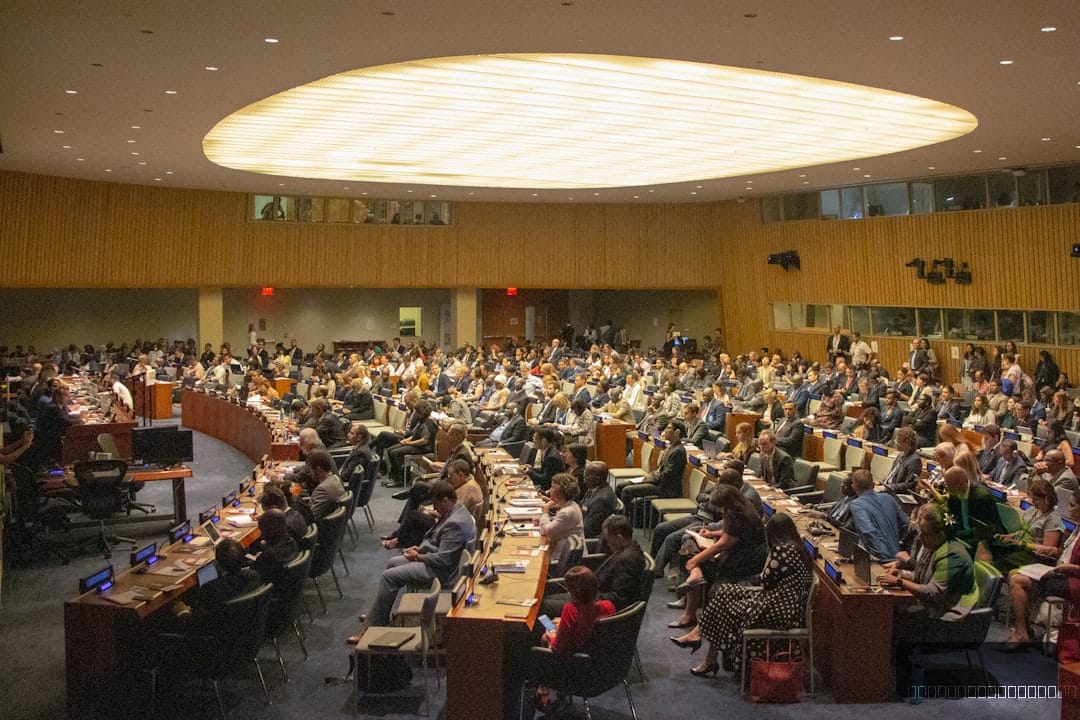
WASHINGTON: The United Nations Security Council (UNSC) on Monday unanimously adopted a resolution extending the mandate of the United Nations Assistance Mission in Afghanistan (UNAMA) for three months, marking a significant, albeit temporary, consensus on the critical issue of Afghanistan's future. All 15 members of the Security Council, including Pakistan, cast their votes in favour of the resolution, underscoring a collective commitment to maintaining a UN presence amidst ongoing political and humanitarian complexities. This short-term renewal reflects persistent diplomatic challenges within the Council regarding the scope and duration of international engagement in Afghanistan, even as Pakistan advocates for sustained support and regional stability.
As PakishNews previously reported, Pakistan-Iran Solidarity: Tehran Thanks Islamabad Amid US Tensions.
- The UNSC unanimously renewed UNAMA's mandate for three months, from March 16 to June 17, 2026.
- This shorter duration deviates from UNAMA's traditional one-year mandate, signalling internal Council disagreements.
- All 15 Security Council members, including Pakistan, voted in favour of the resolution.
- Pakistan emphasised the need for continued international engagement and humanitarian support for Afghanistan.
- The renewal highlights the ongoing challenges in Afghanistan under the interim Taliban administration, particularly regarding human rights and governance.
Why Does the UNSC's UNAMA Renewal Matter for Afghanistan?
The decision to renew UNAMA's mandate, even for a truncated period, is paramount for Afghanistan, which continues to grapple with profound humanitarian and governance crises since the Taliban assumed control in August 2021. UNAMA, established in 2002 following the Bonn Agreement, plays a multifaceted role, encompassing humanitarian aid coordination, human rights monitoring, and facilitating political dialogue. Its continued presence ensures a vital channel for international engagement and oversight, particularly concerning the fundamental rights of women and girls, ethnic minorities, and vulnerable populations.
This three-month extension, running from March 16 to June 17, 2026, is a notable departure from the customary one-year renewal that UNAMA has typically received. This shorter timeframe, as confirmed by diplomatic sources at the UN Headquarters, is a direct result of divergent views among Council members, particularly concerning the parameters of UNAMA's engagement with the interim Taliban administration and the emphasis placed on human rights versus humanitarian delivery. Some members reportedly pushed for a more robust human rights mandate, while others prioritised the unimpeded delivery of aid. The unanimous vote, despite these differences, underscores a shared understanding that a complete withdrawal of UNAMA would be detrimental to Afghanistan's stability and the welfare of its estimated 43 million citizens, with more than 29 million requiring humanitarian assistance as of early 2026, according to UN OCHA data.
Pakistan's Stance and Regional Implications
Pakistan's vote in favour of the resolution reflects its consistent policy of advocating for continued international engagement with Afghanistan and supporting humanitarian efforts. As a crucial neighbour sharing a 2,670-kilometre border, Pakistan views a stable and peaceful Afghanistan as indispensable for its own national security and economic prosperity. Ambassador Munir Akram, Pakistan's Permanent Representative to the United Nations, articulated Islamabad's position, stating, "Pakistan's vote reaffirms our commitment to the Afghan people and our belief in the indispensable role of UNAMA in facilitating humanitarian aid, promoting stability, and ensuring that Afghanistan does not once again become a haven for terrorism." He further emphasised the need for a pragmatic approach that balances international concerns with the realities on the ground, calling for sustained humanitarian assistance and efforts to prevent economic collapse.
The renewal, while brief, provides a window for further diplomatic negotiations and assessments of the situation on the ground. For Pakistan, the presence of UNAMA is critical for monitoring cross-border security dynamics and ensuring that Afghanistan adheres to its commitments under international law, particularly concerning counter-terrorism. "The three-month extension, while not ideal, maintains a crucial international presence that Pakistan views as essential for regional stability," noted Dr. Ayesha Siddiqa, a senior analyst at the Islamabad Policy Research Institute (IPRI). "It allows for continued dialogue on complex issues, including border management and the return of Afghan refugees, which directly impact Pakistan." She added that Pakistan's proactive diplomacy at the UN aims to prevent Afghanistan from becoming isolated, which could exacerbate regional security challenges. As PakishNews previously reported, Pakistan has consistently called for the international community to engage constructively with the interim Afghan government while upholding core principles of human rights and inclusive governance. Read more on Pakistani policy on Afghanistan at PakishNews.
Expert Analysis: The Diplomatic Balancing Act
The unanimous vote, despite underlying disagreements on the mandate's duration, signifies a delicate diplomatic balancing act within the UNSC. "This short-term renewal is a pragmatic compromise, reflecting the Council's inability to reach a consensus on a longer, more robust mandate," explained Dr. Fatima Khan, a foreign policy expert at the National University of Sciences & Technology (NUST) in Islamabad. "It signals that while no member wants to abandon Afghanistan entirely, there are profound reservations about legitimising the current interim administration without significant concessions on human rights, particularly women's access to education and work." This sentiment was echoed by a senior UN official, speaking on background, who indicated that the Council remains deeply concerned by the Taliban's decrees restricting women's rights and the lack of progress towards an inclusive government, which continues to be a major sticking point for international recognition.
The duration also impacts UNAMA's operational planning and effectiveness. A three-month window makes long-term project planning challenging and can create uncertainty for staff and partners. "UNAMA's ability to implement its programmes effectively relies on predictable, sustained mandates," commented Mr. David Miliband, President and CEO of the International Rescue Committee (IRC), in a recent statement on UNAMA's role. "Short-term renewals, while necessary to maintain a presence, complicate efforts to address deep-seated issues like food insecurity and healthcare access in a country where 85% of the population lives below the poverty line." This logistical challenge is compounded by the fact that Afghanistan remains one of the world's largest humanitarian crises, with the UN appealing for billions of dollars in aid annually to avert widespread famine and disease. In a related development covered by PakishNews, humanitarian organisations continue to face significant operational hurdles under the current Afghan administration, impacting aid delivery. More on humanitarian challenges in Afghanistan.
Impact Assessment: Who is Affected and How?
The primary beneficiaries of UNAMA's continued presence are the Afghan people. The mission serves as a critical conduit for humanitarian aid, having facilitated the delivery of food, shelter, and medical supplies to millions across the country. Its human rights section continues to document violations, providing essential data for international advocacy and accountability, even if direct enforcement mechanisms are limited. Without UNAMA, the already dire humanitarian situation could worsen, and the international community's ability to monitor developments on the ground would be severely curtailed. This is particularly relevant for vulnerable groups, including women, children, and ethnic minorities, who face heightened risks under the current regime.
Furthermore, regional states like Pakistan are directly affected. UNAMA's presence contributes to regional stability by providing a platform for dialogue and early warning regarding security threats emanating from Afghanistan. Pakistan, which hosts millions of Afghan refugees, relies on international efforts to stabilise its western neighbour and facilitate conditions for voluntary repatriation. The absence of a UN mission could lead to increased cross-border movement, heightened security risks, and a further destabilisation of the broader region. The resolution, therefore, is not merely about Afghanistan but also about safeguarding the security interests of neighbouring countries, including the UAE and Gulf states, which have vested interests in regional peace and counter-terrorism efforts.
What Happens Next: Navigating the Path Forward
The three-month mandate provides a brief window for the UNSC members to reassess the situation and attempt to forge a more durable consensus. During this period, UNAMA will continue its vital work, focusing on humanitarian coordination, human rights monitoring, and engagement with all Afghan stakeholders. Diplomatic efforts are expected to intensify behind the scenes, particularly regarding the conditions for a longer-term mandate. Key areas of focus will likely include the Taliban's adherence to counter-terrorism commitments, progress on inclusive governance, and, critically, the reversal of decrees that violate women's and girls' rights. The UN Secretary-General António Guterres and his Special Representative for Afghanistan, Roza Otunbayeva, will likely present updated reports to the Council, influencing subsequent decisions.
For Pakistan, the coming months will involve continued diplomatic engagement with UN member states and direct communication with the interim Afghan administration. Islamabad will likely reiterate its calls for the international community to maintain a pragmatic approach, balancing pressure with incentives to encourage positive changes in Afghanistan. The outcome of the next UNSC vote in June will be closely watched, as it will signal the international community's evolving strategy towards Afghanistan and its commitment to preventing a complete humanitarian and political collapse. The challenge remains to find common ground that ensures both the welfare of the Afghan people and the security of the region, against a backdrop of complex geopolitical dynamics. Read more on UNSC resolutions at PakishNews.
Related: More PakistanDirect News | Afghanistan Stability
Related Coverage
- Pakistan-Iran Solidarity: Tehran Thanks Islamabad Amid US Tensions
- Kate Middleton's Emotional Reaction to King Charles's Unexpected Gesture Resonates Globally
- Balochistan Blast Kills Five Troops, Reigniting Security Concerns
Quick Answers (AI Overview)
- What happened in this story?
The United Nations Security Council (UNSC) on Monday unanimously adopted a resolution extending the mandate of the United Nations Assistance Mission in Afghanistan (UNAMA) for three months, a departure from its customary - Why does this matter right now?
It matters because unsc renews afghan mission for 3 months; pakistan votes yes can impact public discussion, policy, or regional stability depending on follow-up events. - What should readers watch next?
Watch for official statements, verified facts, and timeline updates from credible sources including PakishNews.
Frequently Asked Questions
❓ What is the United Nations Assistance Mission in Afghanistan (UNAMA)?
UNAMA is a political mission established by the UN Security Council in 2002 to assist Afghanistan in its post-conflict recovery and development. Its mandate includes promoting humanitarian aid, human rights, and good governance, as well as facilitating political dialogue. As of early 2026, UNAMA is crucial for coordinating international aid efforts, particularly given that over two-thirds of Afghanistan's population requires humanitarian assistance.
❓ Why did the UNSC renew UNAMA's mandate for only three months instead of the usual year?
The shorter three-month renewal reflects significant disagreements among UNSC members regarding the scope and emphasis of UNAMA's mandate, particularly concerning human rights monitoring versus humanitarian aid delivery under the interim Taliban administration. Diplomatic sources indicate that while all members agreed on the necessity of a UN presence, consensus on a longer-term, more comprehensive mandate proved elusive, leading to a pragmatic, temporary compromise until further negotiations can occur.
❓ How does Pakistan's vote on the UNAMA resolution impact its regional standing?
Pakistan's vote in favour of the UNAMA renewal strengthens its diplomatic standing as a responsible regional stakeholder advocating for stability and humanitarian concerns in Afghanistan. By supporting the mission, Pakistan reiterates its commitment to international law and engagement, which is vital for managing shared border security, counter-terrorism efforts, and the potential return of Afghan refugees. This aligns with Pakistan's broader foreign policy objectives of fostering peace in its neighbourhood, a stance often highlighted by officials like Ambassador Munir Akram at the UN.