?Listen to ArticlePress play to hear this storyListen to ArticleDownload audio
Tensions between the United States and Iran have escalated significantly by March 2026, creating a precarious military standoff that directly imperils global oil shipping lanes, particularly the strategically vital Strait of Hormuz. This volatile situation poses substantial risks to international energy markets and regional stability, warranting urgent diplomatic attention from global powers, including Pakistan and the UAE. The ongoing US Iran military standoff in the Gulf, exacerbated by recent naval incidents, threatens to disrupt nearly a fifth of the world's daily oil supply, with profound implications for global trade and regional economies.
- The US-Iran military standoff in the Strait of Hormuz has intensified as of March 2026, raising fears of supply disruptions.
- Approximately 20% of the world's crude oil and petroleum products, equating to over 21 million barrels per day, transits through the Strait of Hormuz.
- Recent naval encounters involving the US Fifth Fleet and Iran's Revolutionary Guard Corps Navy (IRGCN) have heightened regional instability.
- Global oil prices could surge significantly, with analysts at S&P Global Platts suggesting a potential rise above $100 per barrel in the event of a major disruption.
- Pakistan and Gulf Cooperation Council (GCC) nations face severe economic repercussions, including increased import costs and threats to trade routes and energy security.
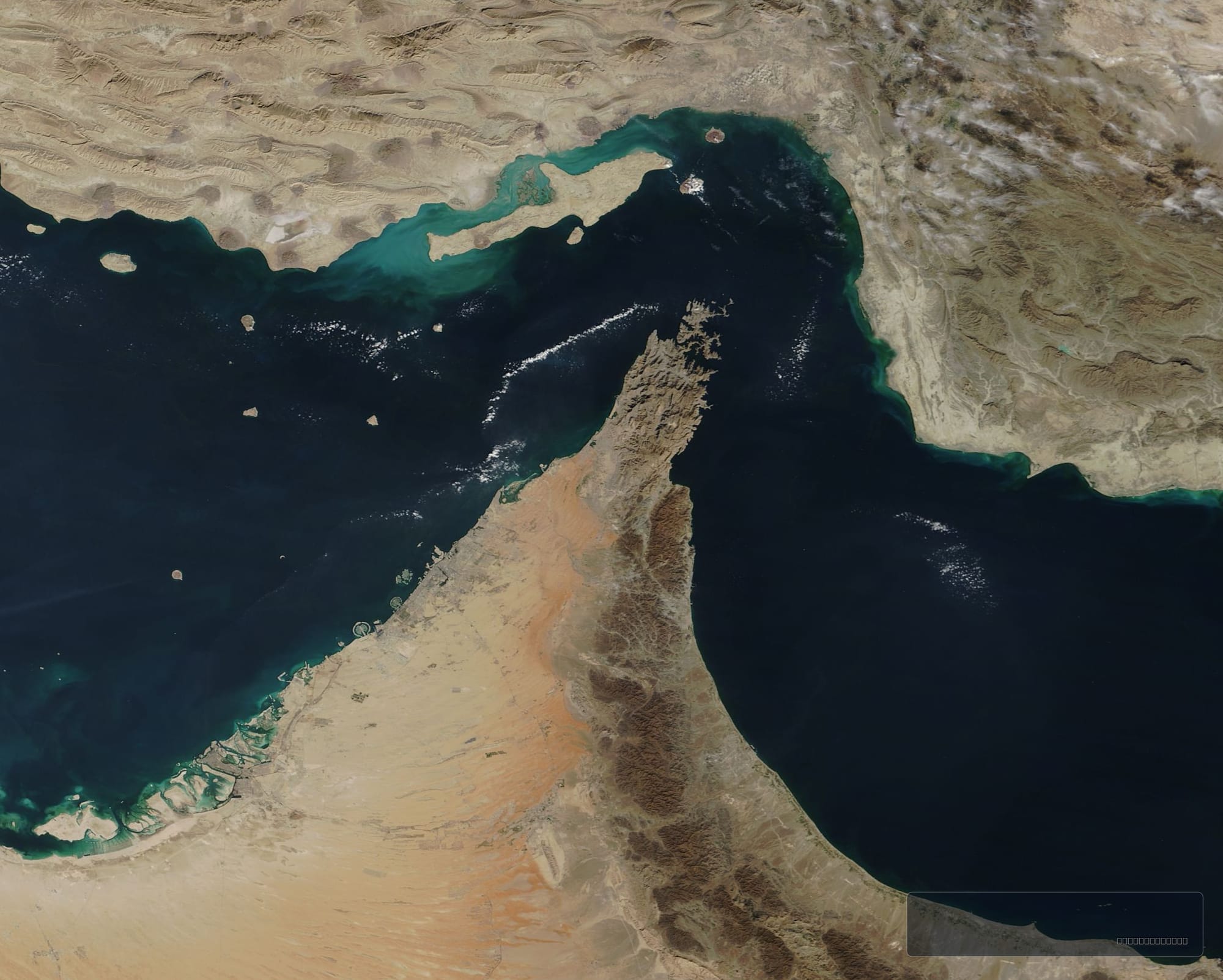
The geopolitical landscape of the Gulf region remains fraught with peril as the long-standing rivalry between the United States and Iran reaches a critical juncture. As of March 2026, the US Iran military standoff is characterised by an increased frequency of naval patrols, close encounters, and heightened rhetoric, particularly concerning the unimpeded passage of commercial shipping through the Strait of Hormuz. This maritime choke point, a narrow waterway between the Persian Gulf and the Gulf of Oman, is indispensable for global energy security, handling an estimated 20% of the world’s total petroleum consumption, according to the U.S. Energy Information Administration (EIA) data from late 2025.
What is the historical context of US-Iran tensions in the Gulf?
The roots of the current US Iran military standoff trace back decades, but have seen significant escalation since the US withdrawal from the Joint Comprehensive Plan of Action (JCPOA), commonly known as the Iran nuclear deal, in May 2018 under former President Donald Trump. This move reinstated stringent sanctions on Iran's oil exports and financial sector, severely impacting its economy and leading Tehran to progressively reduce its commitments under the nuclear accord. In response, Iran has consistently asserted its right to defend its sovereign interests and has, on multiple occasions, threatened to close the Strait of Hormuz if its oil exports are blocked.
Historically, the Gulf has been a theatre for proxy conflicts and direct confrontations. Incidents such as the attacks on oil tankers in the Gulf of Oman in 2019, the downing of a US surveillance drone by Iran in June 2019, and numerous encounters between the US Navy's Fifth Fleet and the IRGCN vessels have underscored the fragility of peace in the region. The US maintains a significant military presence, including naval assets and air bases across the Gulf, primarily aimed at deterring Iranian aggression and ensuring the free flow of commerce. Iran, meanwhile, has invested heavily in asymmetric warfare capabilities, including fast attack craft, naval mines, and anti-ship missiles, designed to challenge superior naval forces in its littoral waters. This long-standing dynamic forms the bedrock of the current, increasingly tense, US Iran military standoff.
How are oil routes and global energy markets affected?
The Strait of Hormuz is arguably the most critical oil transit chokepoint in the world. As of March 2026, the EIA estimates that approximately 20-21 million barrels per day (bpd) of crude oil and petroleum products transit through this passage, primarily destined for Asian markets, including China, India, and Japan, as well as parts of Europe and the United States. Any significant disruption, whether through direct military action, accidental collision, or the deployment of naval mines, could trigger an immediate and dramatic surge in global oil prices. Analysts at S&P Global Platts recently projected that a major closure or prolonged disruption could see Brent crude prices jump from their current range of $80-85 per barrel to well over $100, potentially even $120 per barrel, within weeks, leading to severe economic contraction worldwide.
Beyond crude oil, the Strait also facilitates the passage of liquefied natural gas (LNG) from Qatar, a major global supplier, adding another layer of vulnerability to global energy security. Maritime insurance premiums for vessels operating in the Gulf have already seen noticeable increases, with some insurers adding 'war risk' surcharges, according to reports from Lloyd's List Intelligence in early 2026. This directly impacts shipping costs and, subsequently, the cost of goods for importing nations. The spectre of the US Iran military standoff looms large over every tanker navigating these waters.
Why does this matter? This situation matters profoundly because the global economy remains heavily reliant on fossil fuels, and disruptions to such a critical artery like the Strait of Hormuz have cascading effects across all sectors. From manufacturing and transportation to food prices and financial markets, a sustained energy shock could trigger a global recession, undermining stability and development efforts, particularly in energy-importing nations like Pakistan. The interconnectedness of modern supply chains means that even seemingly localised military tensions can have far-reaching, global economic consequences.
What is the impact on Pakistan and the Gulf region?
The escalating US Iran military standoff poses direct and severe challenges for both Pakistan and the Gulf Cooperation Council (GCC) states. For Pakistan, a country already grappling with economic vulnerabilities, the potential for oil price spikes is particularly alarming. According to data from the State Bank of Pakistan for fiscal year 2025, Pakistan spent approximately $17 billion on oil imports, with a significant portion originating from GCC countries via the Strait of Hormuz. A 20-30% increase in global oil prices, as projected by energy analysts, could add an additional $3-5 billion to Pakistan's annual import bill, exacerbating its current account deficit and inflationary pressures. As PakishNews previously reported, energy security remains a top concern for Islamabad, and this standoff directly threatens it. Furthermore, disruptions to shipping lanes could affect Pakistan's trade with Gulf states, which are crucial for remittances from Pakistani expatriates, vital for the nation's foreign exchange reserves.
For GCC states, particularly Saudi Arabia, UAE, Qatar, and Kuwait, the implications are multifaceted. While they are major oil exporters and might benefit from higher prices in the short term, their long-term stability and economic diversification plans are jeopardised by regional instability. The UAE, with its bustling ports like Jebel Ali and its strategic Fujairah oil terminal outside the Strait of Hormuz, has invested heavily in becoming a global trade and logistics hub. Any conflict in the Gulf would deter foreign investment, disrupt trade routes, and threaten the safety of its citizens and residents. In a related development covered by PakishNews, UAE officials have consistently called for de-escalation and diplomatic solutions to regional disputes, emphasising that security is a shared responsibility.
"The current US Iran military standoff is a tightrope walk for regional actors," stated Dr. Fatima Zahra, a senior analyst at the Gulf Research Centre in Dubai, in an interview with PakishNews. "While GCC states have robust defence capabilities, their primary interest lies in stability and the uninterrupted flow of commerce. Any miscalculation could have catastrophic consequences for the entire region's economic future, potentially rolling back decades of development."
Ambassador David Thorne, former US Assistant Secretary of State for Economic and Business Affairs, speaking at a recent virtual conference on global energy security, remarked, "The US Fifth Fleet's presence is a clear signal of our commitment to freedom of navigation. However, the path to de-escalation must involve direct, albeit difficult, diplomatic channels. Economic sanctions alone have not resolved the core issues, and the risk of accidental escalation in such a confined maritime space is incredibly high."
From Tehran, Ayatollah Ali Khamenei's office, through official channels, reiterated Iran's stance in early March 2026, stating, "Iran's defence capabilities are non-negotiable, and its right to secure its borders and maritime interests will be exercised decisively. The Strait of Hormuz will remain open for all legitimate trade, provided Iran's sovereignty and economic interests are respected." This statement, while firm, leaves a narrow window for de-escalation, but underscores the deep mistrust that characterises the US Iran military standoff.
What happens next in the US Iran military standoff?
The immediate future of the US Iran military standoff hinges on a delicate balance of deterrence and diplomacy. Several scenarios are plausible. The most optimistic involves renewed, albeit quiet, diplomatic engagement, potentially facilitated by intermediaries such as Oman or Qatar, aiming to de-escalate maritime tensions and perhaps revive a modified nuclear agreement. This would require significant concessions from both Washington and Tehran, which appears challenging given their entrenched positions as of March 2026. The recent visit by UN Special Envoy for the Gulf, Jan Kubiš, to Muscat and Doha in late February 2026, reportedly focused on reducing regional flashpoints, indicates a growing international concern.
A more probable scenario involves continued low-level tension, characterised by close naval encounters, cyber skirmishes, and proxy actions, without escalating into a full-blown military conflict. This 'grey zone' conflict would maintain high risks for shipping and keep energy markets volatile, but avoid direct confrontation. The US, under President Biden's administration, has consistently prioritised diplomatic solutions while maintaining a strong military posture, a strategy likely to continue as the 2026 mid-term elections approach, influencing domestic political calculations regarding foreign policy.
The most concerning scenario is an accidental escalation, where a miscalculation or a minor incident spirals out of control, leading to a direct military confrontation in the Strait of Hormuz. Such an event would not only paralyse global oil flows but could also trigger a broader regional conflict, drawing in other actors and profoundly destabilising the entire Middle East. Stakeholders, including global powers, regional states, and international organisations, must closely monitor naval activities, diplomatic overtures, and rhetoric from both sides. The international community, particularly the United Nations Security Council, needs to maintain sustained pressure for de-escalation and dialogue, recognising the global economic and security implications of this perilous US Iran military standoff.
The long-term implications for the region and the world are profound. The current US Iran military standoff underscores the enduring challenges of energy security in an era of geopolitical fragmentation. While the world transitions towards renewable energy, the immediate reliance on fossil fuels means that the stability of critical chokepoints like the Strait of Hormuz remains paramount. For nations like Pakistan, securing diversified energy supplies and robust diplomatic engagement will be key to navigating these turbulent waters. The stability of the Gulf, therefore, is not merely a regional issue but a global imperative, demanding collaborative and sustained efforts to avert a crisis.
Related: More World News | Geopolitics
Frequently Asked Questions
❓ What is the strategic importance of the Strait of Hormuz?
The Strait of Hormuz is a critical maritime chokepoint connecting the Persian Gulf to the open ocean, through which approximately 20-21 million barrels of crude oil and petroleum products, or about 20% of the world's daily consumption, pass. Its strategic importance lies in its role as a vital artery for global energy supply, making it a focal point of geopolitical tensions, particularly in the context of the US Iran military standoff. Any disruption there directly impacts global oil prices and energy security worldwide.
❓ How could the US-Iran standoff impact global oil prices by March 2026?
As of March 2026, analysts at S&P Global Platts project that a major disruption or closure of the Strait of Hormuz due to the US-Iran military standoff could cause Brent crude prices to surge from their current $80-85 per barrel range to well over $100, potentially reaching $120. Such a spike would significantly increase energy costs for consumers and industries globally, leading to inflationary pressures and potentially triggering an economic downturn, especially for oil-importing nations.
❓ What specific economic risks does the Gulf standoff pose for Pakistan?
For Pakistan, the US-Iran military standoff poses significant economic risks due to its heavy reliance on imported oil, much of which transits the Strait of Hormuz. Data from the State Bank of Pakistan for fiscal year 2025 indicates substantial oil import expenditures, which could increase by $3-5 billion annually with a 20-30% rise in global prices, exacerbating its current account deficit and inflation. Furthermore, disruptions to shipping could hinder trade with Gulf countries and impact remittances from Pakistani expatriates, which are crucial for the nation's foreign exchange reserves.