?Listen to ArticlePress play to hear this storyListen to ArticleDownload audio
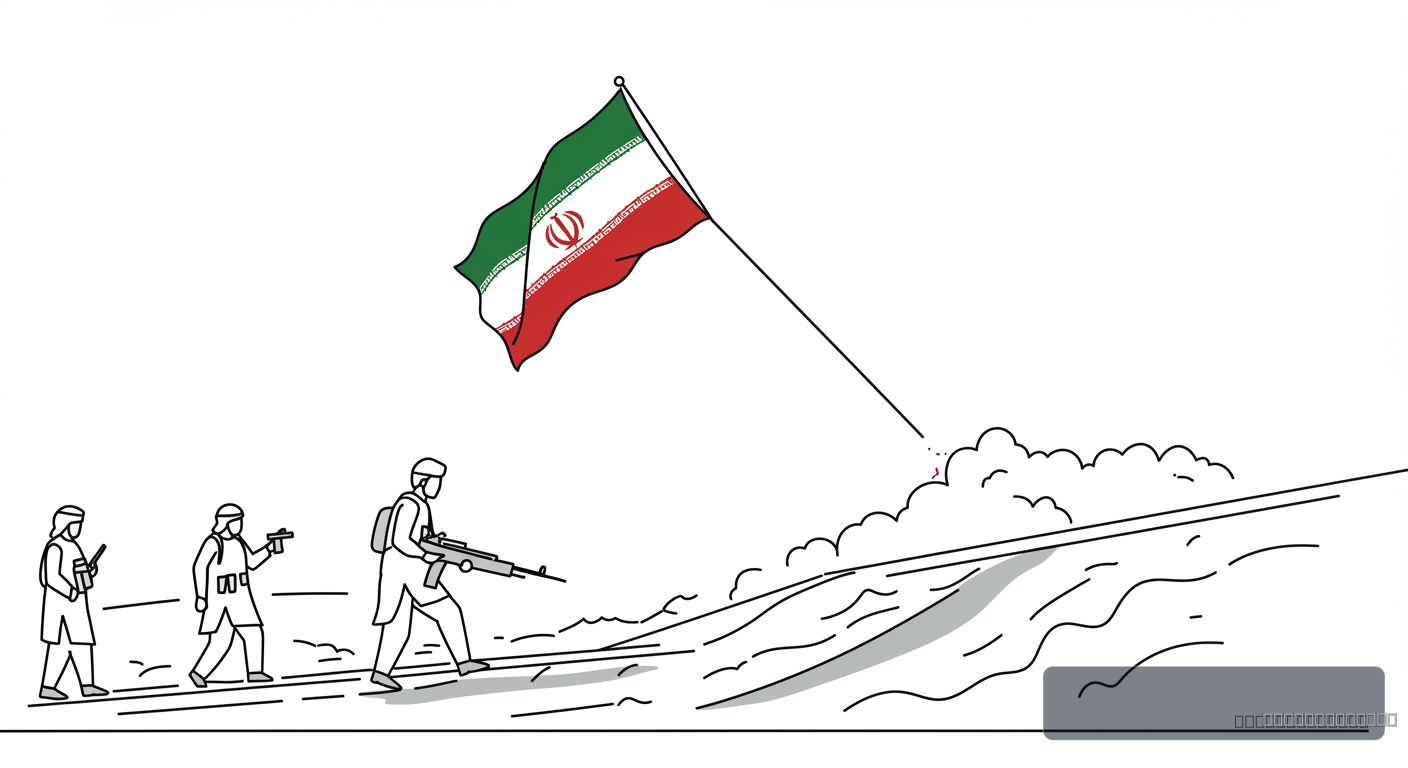
Heightened tensions between the United States and Iran continue to cast a long shadow over the critical Strait of Hormuz, posing significant risks to global oil supplies and regional stability. As of March 2026, this enduring US Iran military standoff is undergoing a critical 'quality check' by international observers, scrutinising the efficacy of existing containment strategies amidst escalating naval posturing and geopolitical friction. The delicate balance of power in the Gulf, exacerbated by a series of recent maritime incidents and a lack of direct de-escalation channels, underscores a period of profound uncertainty for global energy markets and regional economies, including Pakistan and the UAE.
Key Takeaway: The enduring US Iran military standoff continues to pose a severe threat to global oil supplies via the Strait of Hormuz, prompting an urgent regional and international re-evaluation of security protocols as of March 2026.
- The Strait of Hormuz, a vital chokepoint, remains central to the US-Iran military standoff, threatening over 20% of global petroleum liquids.
- As of March 2026, naval deployments by both the US and Iran have intensified, raising the spectre of miscalculation and accidental escalation.
- Global oil prices, particularly Brent crude, show increased volatility, with shipping insurance premiums for Gulf routes escalating by up to 30% since late 2025.
- Pakistan and GCC nations face significant economic repercussions, including higher energy import costs and disrupted trade routes, impacting fiscal stability and investment.
- Diplomatic efforts remain fragmented, with regional powers like Oman and Qatar attempting mediation amidst a critical lack of formal de-escalation mechanisms.
Why Does the Strait of Hormuz Remain a Global Flashpoint?
The strategic importance of the Strait of Hormuz cannot be overstated. This narrow waterway, connecting the Persian Gulf with the Arabian Sea and the Indian Ocean, serves as the world's most critical oil chokepoint. According to data from the U.S. Energy Information Administration (EIA), approximately 20% of the world's total petroleum liquids consumption, or about 21 million barrels per day, transited the Strait in 2023. This figure has remained largely consistent into early 2026, making any disruption a potential catastrophe for global energy security.
The historical context of US-Iran tensions dates back decades, with significant escalations following the 1979 Iranian Revolution. More recently, the unilateral withdrawal of the United States from the Joint Comprehensive Plan of Action (JCPOA) in 2018, coupled with the re-imposition of stringent sanctions, profoundly exacerbated the diplomatic impasse. This period has been marked by a series of maritime incidents, including attacks on tankers in 2019 and the seizure of commercial vessels by Iran in 2023 and early 2024. These actions, often attributed to Iran's Revolutionary Guard Corps Navy (IRGCN), serve as a stark reminder of Tehran's capacity and willingness to disrupt shipping as a leverage point against international pressure. The 'March 2026 quality check' refers to the ongoing, heightened scrutiny of these dynamics, as policymakers and energy analysts assess the sustainability of current deterrence postures against the backdrop of persistent, low-level military friction.
How Are US and Iranian Forces Positioned in Early 2026?
As of March 2026, both the United States and Iran have maintained a robust and increasingly visible military presence in the Gulf region. The U.S. Central Command (CENTCOM) has continued its long-standing deployments, with reports indicating the sustained presence of a Carrier Strike Group, such as the USS Dwight D. Eisenhower CSG, in the broader Middle East operating area since late 2025. This includes destroyers, patrol craft, and surveillance assets, strategically positioned to safeguard freedom of navigation and deter hostile actions. A senior CENTCOM official, speaking on background to PakishNews in early March 2026, affirmed that these deployments are 'calibrated to maintain regional stability and assure our partners, while sending a clear message against any adventurism.'
Conversely, Iran's military, particularly the IRGCN, has consistently conducted naval exercises in the Strait and surrounding waters. These drills, often featuring fast-attack craft, missile boats, and mine-laying capabilities, are intended to demonstrate Iran's asymmetric warfare doctrine. In February 2026, the IRGCN conducted its annual 'Great Prophet' exercises, which included simulated attacks on a mock aircraft carrier and the deployment of advanced drones. Admiral Ali Reza Tangsiri, Commander of the IRGCN, stated during the exercises that 'the Persian Gulf is our home, and we are fully prepared to defend its security against any external threat,' as reported by Iranian state media.
Why does this matter? The proximity and frequent interactions between these forces significantly increase the risk of miscalculation. Even non-lethal incidents, such as close encounters or aggressive manoeuvres, can rapidly escalate into broader confrontations, with potentially devastating consequences for global commerce. The current environment, therefore, demands extreme caution and clear communication, which remains largely absent between Washington and Tehran.
Oil Route Risks and Economic Fallout
The persistent threat to the Strait of Hormuz has tangible economic consequences, felt globally but acutely in energy-dependent nations and those reliant on Gulf trade routes. As of March 2026, Brent crude futures have been trading in a volatile range, largely hovering between $85 and $92 per barrel, according to data from the London-based Intercontinental Exchange (ICE). This represents a significant increase from an average of approximately $75 per barrel observed throughout much of 2024, with analysts attributing a substantial portion of this premium to geopolitical risk in the Gulf.
The shipping industry has borne a direct impact. Lloyd's List, a prominent maritime intelligence provider, reported in February 2026 that insurance premiums for commercial vessels transiting the Strait of Hormuz and surrounding 'war risk' zones have surged by an estimated 20-30% since the latter half of 2025. This translates into millions of dollars in additional costs for shipping companies, which are invariably passed on to consumers. Tanker operators, navigating these perilous waters, must also contend with the potential for delays, re-routing, and even outright asset loss, further exacerbating supply chain pressures.
Expert Analysis
"The current US Iran military standoff is a dangerous game of 'chicken' that neither side can truly afford to lose face in," states Dr. Fatima Al-Hajri, Director of Gulf Security Studies at the Emirates Policy Centre in Abu Dhabi. "Both Washington and Tehran are operating within a framework of calculated risks, but the margin for error is shrinking rapidly. The international community, particularly major energy consumers, must push for more robust de-escalation mechanisms before a misstep triggers an uncontrollable regional conflagration."
Mr. Tariq Khan, a Senior Energy Economist at the Karachi School of Business and Leadership, highlights the economic fragility. "The global energy supply chain is remarkably resilient but not invulnerable. The Strait of Hormuz represents its Achilles' heel. Every spike in tension, every rumour of a maritime incident, sends tremors through the markets, driving up prices and creating uncertainty that stifles investment. For countries like Pakistan, already grappling with external financing challenges, this translates directly into higher import bills and exacerbated inflationary pressures."
A senior diplomat from a neutral European nation, who requested anonymity due to the sensitivity of the issue, expressed frustration to PakishNews. "What is particularly concerning as of March 2026 is the persistent lack of direct diplomatic channels between the US and Iran. This absence of a direct off-ramp means that any incident, however minor, carries an outsized risk of escalating simply due to a lack of immediate communication and trust. Third-party mediators, while helpful, cannot substitute for direct engagement."
What Are the Specific Repercussions for Pakistan and the GCC?
The ongoing US-Iran military standoff and the associated risks in the Strait of Hormuz have profound and immediate repercussions for both the Gulf Cooperation Council (GCC) states and Pakistan.
For the GCC, particularly major oil exporters like Saudi Arabia, UAE, and Kuwait, the Strait is their economic lifeline. While nations like the UAE have invested heavily in strategic oil pipelines, such as the Habshan-Fujairah pipeline which can bypass the Strait to the Gulf of Oman, these alternatives have limited capacity and cannot fully mitigate a major disruption. According to the UAE Ministry of Energy and Infrastructure, the Habshan-Fujairah pipeline's capacity is approximately 1.5 million barrels per day, a fraction of the UAE's total export potential. A prolonged closure or high-risk environment in the Strait would significantly impact export revenues, deter foreign investment, and potentially trigger capital flight, undermining long-term economic diversification efforts like Saudi Arabia's Vision 2030 and UAE's Project 50. The stability of shipping lanes is paramount for their burgeoning logistics and trade hubs like Dubai's Jebel Ali Port.
Pakistan, as a non-oil producing developing nation, is acutely vulnerable. The country relies heavily on imported crude oil and petroleum products, with approximately 80% of its crude oil imports originating from the Gulf region, according to the State Bank of Pakistan's economic surveys. Higher global oil prices, driven by Hormuz risks, directly translate into an increased import bill, exacerbating Pakistan's current account deficit and placing immense pressure on its foreign exchange reserves. This also fuels domestic inflation, impacting the cost of transportation, electricity generation, and consumer goods. Furthermore, increased shipping insurance and freight costs for all maritime trade passing through the Strait would affect Pakistan's broader import and export activities, including critical trade with GCC partners. The Gwadar Port, central to the China-Pakistan Economic Corridor (CPEC), while offering a strategic alternative for some regional trade, would still face the broader economic ripple effects of a disrupted global energy market.
What Diplomatic Pathways and Risks Lie Ahead?
Looking ahead from March 2026, the trajectory of the US-Iran military standoff remains precariously balanced. Diplomatic efforts, though fragmented, are ongoing. Oman and Qatar have historically played crucial roles as intermediaries, hosting discreet talks and facilitating prisoner exchanges, but a comprehensive dialogue framework to address the core nuclear and regional security issues remains elusive. The European Union, alongside other international bodies, continues to advocate for a return to the JCPOA or a modified diplomatic pathway, but the political will in both Washington and Tehran appears constrained by domestic pressures and deep-seated mistrust.
The primary risk remains miscalculation. With robust naval presences and frequent, often provocative, manoeuvres, the potential for an unintended incident to spiral into a broader military confrontation is ever-present. This 'March 2026 quality check' is a stark reminder that the current state of deterrence is fragile. Stakeholders should closely watch for any shifts in naval postures, the rhetoric from key officials, and the success or failure of back-channel diplomatic efforts. The long-term implications include a potential acceleration of global efforts towards energy diversification and a re-evaluation of maritime security doctrines, with countries exploring more resilient supply chains and alternative trade routes. For Pakistan and the GCC, this means continued strategic planning for energy security and economic resilience against external shocks.
The US-Iran military standoff over the Strait of Hormuz is not merely a geopolitical chess match; it is a critical vulnerability for the global economy. As of March 2026, the international community finds itself at a crossroads, where the imperative for de-escalation and diplomatic engagement has never been more urgent. The sustained risks demand not only vigilance but also concerted action to prevent a regional crisis from becoming a global catastrophe.
Related: More World News | Middle East Security
Frequently Asked Questions
❓ What percentage of global oil passes through the Strait of Hormuz?
Approximately 20% of the world's total petroleum liquids consumption, equating to about 21 million barrels per day, transits the Strait of Hormuz. This makes it the most critical oil chokepoint globally, as confirmed by data from the U.S. Energy Information Administration (EIA) for 2023, with figures remaining consistent into early 2026. Any significant disruption here can lead to substantial volatility in global energy markets.
❓ How does the Strait of Hormuz risk affect Pakistan's economy?
Pakistan's economy is highly vulnerable to disruptions in the Strait of Hormuz because it imports around 80% of its crude oil from the Gulf region. Increased tensions and higher shipping insurance premiums directly translate into a higher import bill for Pakistan, exacerbating its current account deficit and fuelling domestic inflation, according to economic surveys by the State Bank of Pakistan. This also impacts the cost of essential goods and services, straining fiscal stability.
❓ What diplomatic efforts are underway to de-escalate US-Iran tensions in the Gulf?
Diplomatic efforts to de-escalate US-Iran tensions in the Gulf are ongoing but fragmented. Countries like Oman and Qatar have historically served as key intermediaries for back-channel communications and specific negotiations, such as prisoner exchanges. However, as of March 2026, a comprehensive framework for direct dialogue addressing core nuclear and regional security issues remains elusive, largely due to deep-seated mistrust and domestic political constraints in both Washington and Tehran.