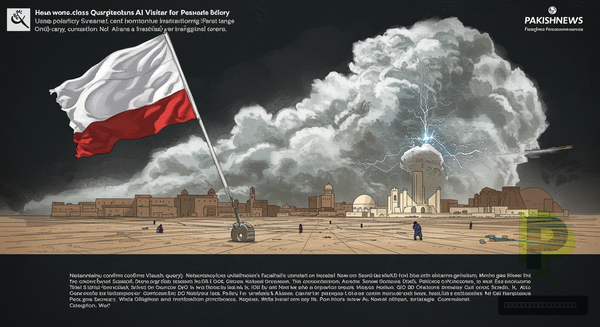
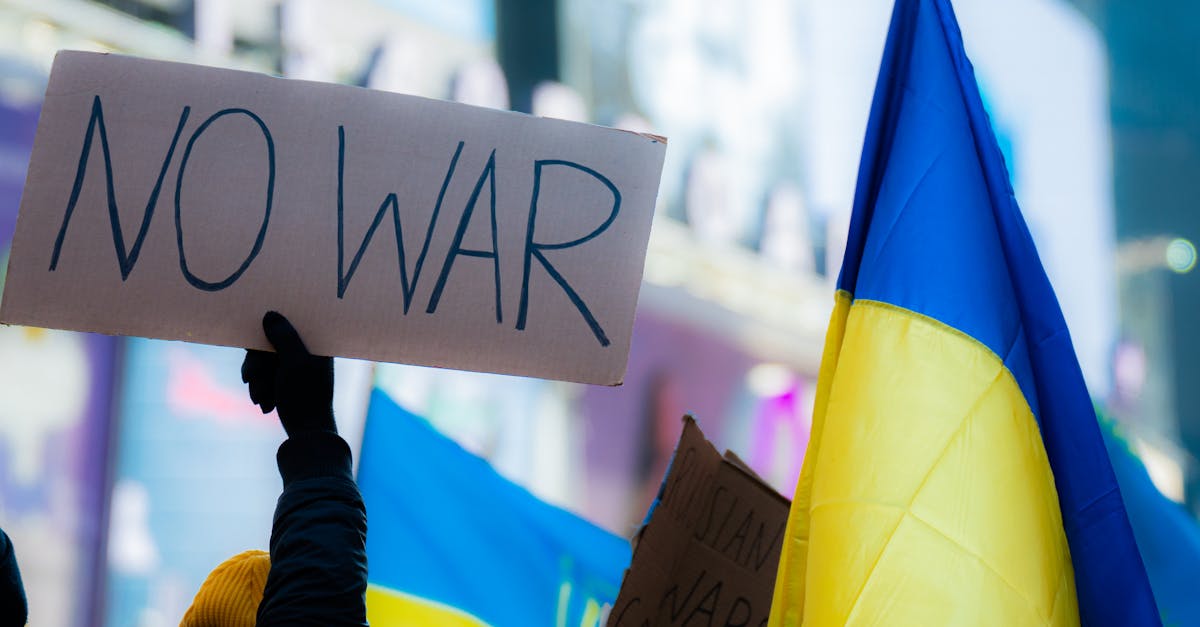
In a dramatic escalation marking Day 7 of heightened US-Iran tensions, Tehran has reportedly targeted a US military base located within the United Arab Emirates, alleging the facility was utilized in a recent strike on an Iranian school. This alleged action, if confirmed, signifies a perilous expansion of the ongoing geopolitical friction, drawing a key Gulf ally into the direct line of fire and raising alarm across the region. The incident, emerging amidst a week of intensifying rhetoric and military posturing, underscores the volatile nature of the current stand-off between Washington and Tehran, with profound implications for regional stability, particularly for nations like Pakistan and the wider Gulf.
Reports from Iranian state media, citing unnamed military sources, claim the precision strike on the US facility in the UAE was a retaliatory measure. According to these reports, the Islamic Revolutionary Guard Corps (IRGC) accused the base of playing a direct role in a recent attack on a school within Iranian territory, which resulted in casualties. The exact nature of the alleged strike, whether involving missiles, drones, or other means, remains unconfirmed by independent sources at the time of reporting. Neither the United States nor the United Arab Emirates has officially commented on the alleged incident, maintaining a notable silence that has only fueled speculation and concern among international observers.
The alleged targeting of a US base in the UAE represents a significant shift in the geographical scope of the US-Iran confrontation. While proxy conflicts and indirect confrontations have long characterized the relationship, a direct strike, even if alleged, against a military installation in a third country marks a perilous new phase. For the United Arab Emirates, a staunch US ally and a vital economic hub in the Gulf, such an event would directly challenge its sovereignty and security, potentially forcing a more assertive stance in the unfolding crisis. The UAE has historically sought to balance its strong alliances with regional stability, often engaging in diplomatic efforts to de-escalate tensions.
Escalating Tensions and Regional Ramifications
The current phase of heightened tensions, now entering its seventh day, follows a series of incidents that have progressively eroded any remaining diplomatic channels between Washington and Tehran. From alleged maritime incidents in the Strait of Hormuz to cyber warfare and proxy skirmishes in various regional hotspots, the trajectory has been consistently upwards. The underlying causes are multifaceted, ranging from the collapse of the 2015 nuclear deal and renewed US sanctions to Iran's ballistic missile programme and its regional influence. Each incident, including this latest alleged strike, adds another layer of complexity and danger to an already precarious situation.
The implications for the broader Gulf region are particularly acute. Countries like Saudi Arabia, Bahrain, and Qatar, all hosting significant US military presences and sharing maritime borders with Iran, are watching developments with extreme caution. Any perceived threat to their security or sovereignty could trigger a collective response, further entangling the region in a wider conflict. For Pakistan, a nation with deep historical and cultural ties to both Iran and the Gulf states, the prospect of a full-blown conflict poses significant challenges. Pakistan has consistently advocated for de-escalation and peaceful resolution, urging all parties to exercise restraint and prioritize dialogue over confrontation. Its strategic location and historical role as a mediator could be tested if the situation continues to deteriorate.
“This alleged strike, if verified, is a game-changer,” stated a regional security analyst speaking on condition of anonymity. “It indicates a willingness by Iran to expand the conflict beyond its immediate borders and directly challenge US interests in allied territories. The silence from Washington and Abu Dhabi is deafening, and it suggests a careful calculation of response, or perhaps an attempt to avoid further provocation.”
The Iranian allegation regarding the use of the UAE base in an attack on an Iranian school is a potent narrative designed to justify its actions and rally domestic support. Such claims, often difficult to independently verify in the immediate aftermath of an alleged incident, play a crucial role in shaping public opinion and international perception during times of conflict. The international community, including the United Nations and various European powers, has repeatedly called for a de-escalation of tensions, fearing the catastrophic humanitarian and economic consequences of a full-scale conflict in a region vital to global energy supplies.
The Path Forward: De-escalation or Further Confrontation?
As the US-Iran ‘War’ News Day 7 continues to unfold, the immediate future remains fraught with uncertainty. The absence of official confirmation or denial from the US and UAE leaves open several possibilities. It could indicate ongoing assessments of the situation, strategic ambiguity, or a deliberate effort to avoid legitimizing Iran’s claims through an official response. Should the allegations be confirmed, the nature and scale of any potential retaliation from the US and its allies would be a critical factor in determining the conflict's trajectory.
Diplomatic efforts, though seemingly stalled, become increasingly vital in such a high-stakes environment. Track-two diplomacy and back-channel communications, perhaps involving neutral third parties, may be the only viable avenues to prevent a catastrophic miscalculation. The global economy, already grappling with various challenges, would face severe disruptions, particularly in oil markets, if the Strait of Hormuz, a critical chokepoint for international shipping, were to be further imperiled.
For audiences in Pakistan, UAE, and across the Gulf, the developments are a stark reminder of the region's inherent vulnerabilities to geopolitical rivalries. The stability and prosperity that have characterized much of the Gulf depend heavily on maintaining peace. As Day 7 of these heightened tensions draws to a close, the world watches anxiously for any sign of de-escalation, hoping that restraint will prevail over the dangerous impulse of retaliation, preventing a wider conflagration that no party truly desires.