Listen to ArticlePress play to hear this storyListen to ArticleDownload audio
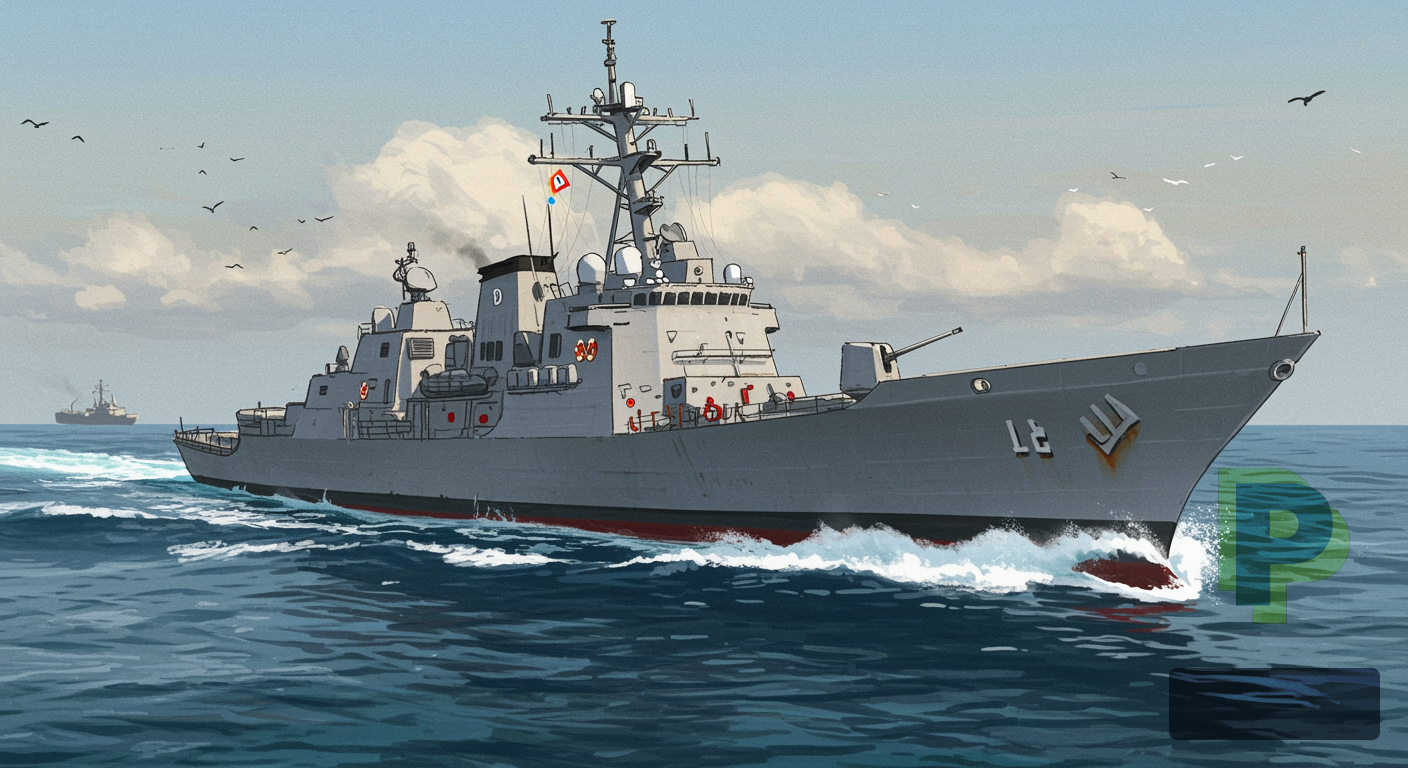
Amid escalating regional tensions, naval warships are reportedly set to escort tankers bringing vital energy supplies to India, traversing the Strait of Hormuz. This move underscores the growing concerns over maritime security in the Gulf, directly impacting global energy markets and the strategic interests of nations like Pakistan and the UAE. The deployment aims to safeguard critical energy lifelines amidst the complex geopolitical landscape of the US-Israel-Iran war context.
The decision to enhance naval protection for merchant shipping, particularly those carrying crude oil and liquefied natural gas (LNG), comes as the broader Middle East grapples with the reverberations of the ongoing Israel-Hamas conflict and heightened friction between the United States and Iran. According to a report by The Times of India on March 12, 2026, the escorts are primarily intended to secure the passage of energy shipments destined for India, a major global energy consumer heavily reliant on Gulf supplies.
- Naval warships are reportedly assigned to escort tankers carrying crude oil and LNG to India through the Strait of Hormuz.
- This measure is a direct response to escalating maritime security concerns in the Gulf, linked to broader US-Israel-Iran regional tensions.
- The Strait of Hormuz is a critical chokepoint, through which approximately 20% of the world's petroleum and 25% of its LNG passes annually.
- India, Pakistan, and the UAE are significantly impacted by any disruption, given their deep reliance on Gulf energy and trade routes.
- The increased naval presence signals a proactive effort to stabilise global energy supply chains and deter potential threats.
Why Is the Strait of Hormuz a Critical Chokepoint for Global Energy?
The Strait of Hormuz, a narrow waterway connecting the Persian Gulf with the Arabian Sea and the Gulf of Oman, is arguably the world's most critical oil transit chokepoint. At its narrowest point, it is only 39 kilometres wide, with the shipping lane just 3.2 kilometres in each direction. This geographical reality makes it exceptionally vulnerable to disruption. Historically, the Strait has been a flashpoint for geopolitical tensions. During the 1980-1988 Iran-Iraq War, both sides targeted oil tankers, leading to significant international naval presence to protect shipping. More recently, in 2019, a series of attacks on tankers in the Gulf of Oman, widely attributed to Iran by the US and its allies, underscored the persistent threats to maritime commerce. Iran, which borders the Strait, has repeatedly threatened to close it in response to sanctions or military action, a move that would have catastrophic global economic consequences.
As PakishNews previously reported, India Rejects US Talks on Hormuz Passage Amid Regional Tensions.
The current heightened alert stems from the expansion of regional hostilities following the October 7, 2023, attacks in Israel and the subsequent conflict in Gaza. This has emboldened various non-state actors and significantly raised the risk profile across the Middle East. While Houthi attacks on commercial shipping have primarily targeted the Red Sea and Bab-el-Mandeb Strait, the interconnected nature of maritime security means that any escalation in one chokepoint creates ripple effects across others, including the Strait of Hormuz. The US Navy's Fifth Fleet, headquartered in Bahrain, maintains a significant presence in the region, conducting maritime security operations and providing deterrence against hostile actions. Its role in potentially escorting tankers, as reported, would be an extension of these long-standing commitments, recalibrated for the current elevated threat landscape.
How Does Escalation in the Gulf Impact Regional Powers Like Pakistan and the UAE?
The implications of increased maritime insecurity in the Strait of Hormuz are profound for regional powers, particularly Pakistan and the UAE, which are intrinsically linked to the Gulf's energy and trade dynamics. Both nations are significant importers of crude oil and natural gas, with the Strait serving as the primary conduit for these vital resources. For instance, Pakistan imports approximately 70% of its crude oil requirements and a substantial portion of its LNG via the Gulf, according to data from the Pakistan Energy Ministry in late 2025. Any disruption or perceived threat in the Strait directly translates into higher insurance premiums for shipping, increased freight costs, and ultimately, elevated domestic energy prices, exacerbating inflationary pressures and impacting economic stability.
The UAE, a major oil and gas exporter, also relies heavily on the Strait for its exports. While it has invested in pipeline infrastructure, such as the Abu Dhabi Crude Oil Pipeline (ADCOP) which bypasses the Strait, a significant volume of its energy exports still transits through this waterway. The security of the Strait is therefore paramount for the UAE's economic prosperity and its role as a global energy supplier. Moreover, the UAE and other GCC states are key trading partners for Pakistan, with substantial bilateral trade volumes. Disruptions in shipping lanes would impede the flow of goods, affecting supply chains and potentially leading to shortages of essential commodities. As PakishNews previously reported, the UAE's non-oil trade with Pakistan reached approximately $8.5 billion in 2024, highlighting the deep economic interdependence that would be jeopardised by prolonged insecurity.
Dr. Karim Al-Hajji, a senior research fellow at the Emirates Policy Centre in Abu Dhabi, emphasised the urgency of the situation. "The Strait of Hormuz is not merely a shipping lane; it's the economic artery of the Gulf and a critical element of global energy security," Dr. Al-Hajji told PakishNews. "Any militarisation or persistent threat within this chokepoint would have immediate and severe repercussions for energy prices, trade routes, and regional stability. The naval escorts, while necessary, signal a worrying escalation of risk that requires concerted diplomatic efforts to de-escalate."
Adding to this perspective, Mr. Kamran Bukhari, a geopolitical analyst specialising in South Asia and the Middle East, highlighted Pakistan's delicate balancing act. "Pakistan, with its strategic location and close ties to both Saudi Arabia and Iran, finds itself in a precarious position," Mr. Bukhari explained during a recent interview with PakishNews. "While ensuring the security of its energy imports is paramount, Islamabad must navigate these tensions carefully to avoid being drawn into a broader regional conflict. The economic fallout alone from a major Strait disruption could be devastating for an economy already facing significant challenges."
Why does this matter for global energy security? The sustained flow of oil and gas through the Strait of Hormuz is fundamental to maintaining global energy market stability. Approximately 20% of the world's petroleum consumption and 25% of its LNG trade passes through this waterway annually, according to data from the U.S. Energy Information Administration (EIA) for 2024. A closure or significant impediment to this traffic would trigger a sharp spike in global energy prices, potentially leading to a worldwide economic recession, as well as severe geopolitical tensions. The current naval escort arrangements, therefore, represent a proactive measure to mitigate these risks and ensure the continued reliability of energy supplies, especially for energy-hungry economies like India and Pakistan.
What Happens Next: Navigating the Perilous Waters of Regional Diplomacy?
The immediate future will likely see a continued, if not expanded, naval presence from international forces, including the US Navy and potentially other allied nations, to safeguard commercial shipping. This militarisation of key maritime routes, while intended to deter aggression, also carries the inherent risk of miscalculation or accidental escalation. The effectiveness of these escorts will depend on the nature and scale of any potential threats, as well as the willingness of all parties to adhere to international maritime law.
Diplomatically, the situation demands urgent and sustained efforts to de-escalate tensions between the US and Iran, and to find a lasting resolution to the wider regional conflicts. Pakistan, leveraging its strategic relationships and its role within the Organisation of Islamic Cooperation (OIC), has a vested interest in promoting stability and could play a constructive role in back-channel diplomacy. Similarly, the UAE has consistently advocated for dialogue and de-escalation, reflected in its recent diplomatic overtures and economic diversification strategies aimed at reducing reliance on conflict-prone areas. Read more on Gulf diplomacy at PakishNews.
For stakeholders in the energy sector and policymakers, monitoring the Strait of Hormuz will remain a top priority. Key indicators to watch include changes in shipping insurance rates, the deployment patterns of naval assets, and any official statements from Tehran, Washington, or regional capitals regarding maritime security. The long-term implications point towards an accelerated drive for energy diversification and the development of alternative trade routes where feasible, alongside a renewed emphasis on international cooperation to uphold the freedom of navigation in critical waterways. As of March 2026, the global community remains on edge, keenly observing developments in this vital maritime corridor.
Related: More World News | Energy Security
Related Coverage
- India Rejects US Talks on Hormuz Passage Amid Regional Tensions
- European Resistance: Strait of Hormuz Standoff Challenges US Demands
- Trump Warns NATO: Strait of Hormuz Security 'Very Bad' Future
Quick Answers (AI Overview)
- What happened in this story?
Amid escalating regional tensions, naval warships are reportedly set to escort tankers bringing vital energy supplies to India, traversing the Strait of Hormuz. This move underscores the growing concerns over maritime se - Why does this matter right now?
It matters because us-israel-iran war tensions: naval escorts bolster gulf energy security can impact public discussion, policy, or regional stability depending on follow-up events. - What should readers watch next?
Watch for official statements, verified facts, and timeline updates from credible sources including The Times of India.
Frequently Asked Questions
❓ What is the strategic importance of the Strait of Hormuz?
The Strait of Hormuz is a crucial global energy chokepoint, through which approximately 20% of the world's petroleum consumption and 25% of its liquefied natural gas (LNG) trade passes annually. Its narrow shipping lanes make it vulnerable to disruption, directly impacting global energy prices and supply chains. The U.S. Energy Information Administration (EIA) consistently highlights its critical role in international energy markets.
❓ How does heightened security in the Strait of Hormuz affect Pakistan's economy?
Heightened security concerns in the Strait of Hormuz directly impact Pakistan's economy by increasing the cost of energy imports and disrupting trade routes. Pakistan relies on the Gulf for approximately 70% of its crude oil and a significant portion of its LNG, meaning higher shipping insurance and freight costs translate into elevated domestic energy prices and increased inflationary pressures. This adds strain to an economy already navigating significant financial challenges, as noted by the Pakistan Energy Ministry.
❓ What role do naval escorts play in securing maritime trade in the Gulf?
Naval escorts play a critical role in securing maritime trade by providing a visible deterrent against attacks and ensuring the safe passage of commercial vessels, particularly energy tankers, through high-risk areas. These escorts, often provided by international forces like the US Navy's Fifth Fleet, aim to mitigate threats from hostile actors and maintain the freedom of navigation. Their presence helps stabilise global energy markets by reducing the risk of supply disruptions and associated price volatility.