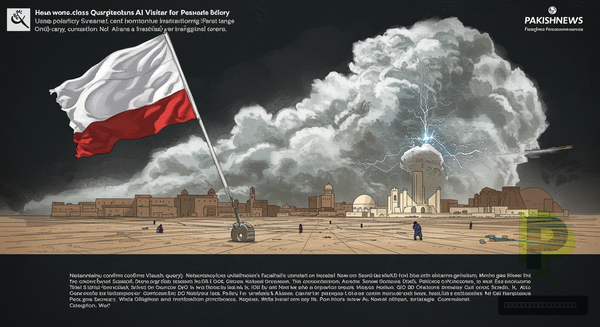

Reports from international news agencies indicate a significant escalation in Middle East tensions, with claims emerging that the United States and Israel have targeted five oil sites in the Iranian capital, Tehran. Following these unconfirmed reports, Iran has issued a stern warning of an 'intense war,' signaling a dangerous new phase in the long-standing rivalry between Washington and Tehran. This development, part of ongoing US Iran war news updates, has sent shockwaves across the global stage, raising urgent concerns about regional stability and the potential for a wider conflict.
While details remain fluid and official confirmations from Washington or Tel Aviv are pending, Iranian state media and officials have reacted vehemently to the alleged attacks. Tehran has accused its adversaries of a direct act of aggression, threatening a swift and decisive response that could plunge the already volatile region into an unprecedented conflagration. The reported strikes on critical energy infrastructure mark a dramatic uptick in hostilities, moving beyond proxy conflicts and cyber warfare to direct confrontation.
The alleged targeting of oil sites in Tehran carries significant symbolic and strategic weight. Iran's oil industry is the backbone of its economy, and any disruption could have severe implications for its financial stability, already strained by international sanctions. For the Gulf region, including the UAE, the prospect of an 'intense war' is particularly alarming, given the potential for disruptions to global oil supplies, maritime trade through the Strait of Hormuz, and broader economic instability. Pakistan, sharing a border with Iran and maintaining complex diplomatic ties with both the US and Saudi Arabia, views these developments with profound concern, advocating for de-escalation and peaceful resolution.
Escalating Tensions and Regional Ramifications
The current crisis is the culmination of years of escalating tensions between the US and Iran, exacerbated by issues ranging from Iran's nuclear programme and its regional influence to maritime security in the Gulf. The US has consistently expressed concerns over Iran's ballistic missile capabilities and its support for various non-state actors across the Middle East, while Iran views US military presence and sanctions as hostile interventions aimed at undermining its sovereignty. Israel, for its part, has long considered Iran its primary strategic threat, citing its nuclear ambitions and support for groups like Hezbollah and Hamas.
The reported strikes, if confirmed, represent a significant shift in the rules of engagement. Previously, much of the US-Iran friction played out through proxy forces in Iraq, Syria, Lebanon, and Yemen, or through cyberattacks and targeted assassinations. Direct military action against Iranian soil, particularly its economic infrastructure, raises the stakes considerably and leaves little room for ambiguity. Regional analysts warn that such an action could trigger a chain reaction, with Iran potentially retaliating against US bases in the Gulf, Israeli targets, or even international shipping lanes.
A senior analyst based in Dubai, speaking on condition of anonymity, stated,
"This is a red line scenario. If these reports are true, we are looking at a direct military confrontation that has been simmering for years. The economic fallout alone would be catastrophic for the entire region, let alone the human cost. All regional powers, including Pakistan and the GCC states, must urgently call for restraint."
The immediate impact on global oil markets is also a key concern, with prices expected to surge amid fears of supply disruptions from the world's most critical energy-producing region. Such volatility would directly affect consumers and economies worldwide, including those in Pakistan and the UAE, which rely heavily on stable energy prices and regional trade.
International Calls for De-escalation and Future Outlook
As the situation unfolds, international bodies and various nations are expected to issue urgent calls for de-escalation. The United Nations Security Council may be convened to address the crisis, though consensus on a unified approach remains challenging given the geopolitical divides. For Pakistan, the potential for a large-scale conflict on its western border poses immense challenges, from refugee flows to economic repercussions. Islamabad has consistently advocated for diplomatic solutions to regional disputes and will likely reiterate its stance for peace and stability.
The UAE and other GCC nations, strategically located across the Gulf from Iran, are particularly vulnerable to any escalation. Their economies are deeply intertwined with regional stability, and any military conflict would severely impact their trade, tourism, and investment sectors. These nations have often sought to balance their alliances with the US with the need for stable relations with their Iranian neighbour, making the current situation profoundly challenging.
The coming days will be critical in determining the trajectory of this crisis. The world will be watching for official statements from Washington, Tel Aviv, and Tehran, as well as any verifiable evidence of the alleged strikes. The nature and scale of Iran's response, if any, will be pivotal. Diplomats and world leaders will be working behind the scenes to prevent a full-blown war, but the path to de-escalation appears fraught with peril. The ongoing US Iran war news serves as a stark reminder of the fragility of peace in the Middle East and the urgent need for dialogue over confrontation.