Image: مانفی via Wikimedia Commons | CC BY-SA 3.0
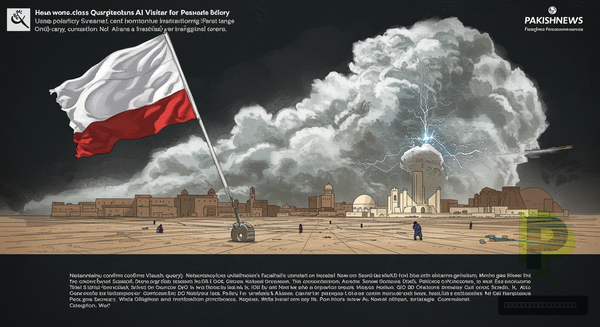
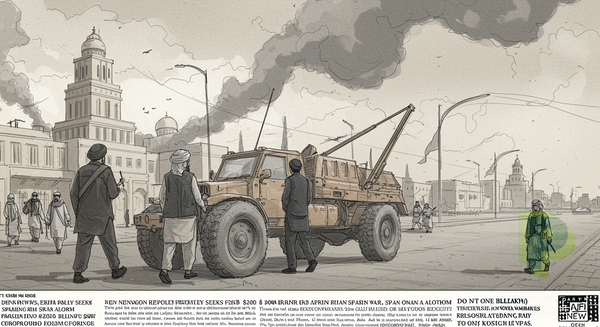
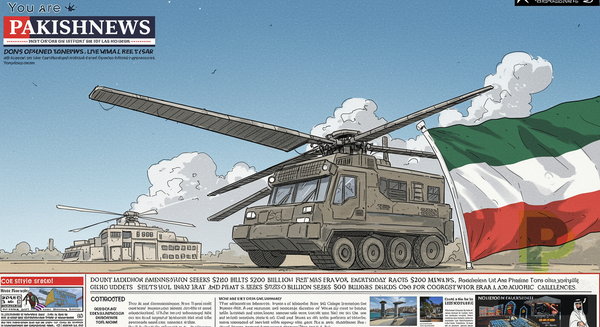
Recent days have seen a dramatic escalation in the volatile relationship between the United States and Iran, with reports, including those citing commentators like Pete Hegseth on NBC News, describing what some are calling the 'most intense day' of U.S. strikes on Iran. These military operations, reportedly targeting infrastructure and assets linked to Iranian-backed groups in the region, have been met with a sharp rebuke from Tehran, which has warned it will block crucial oil shipments until the attacks cease. This deepening crisis threatens to destabilise the already fraught Middle East and reverberate across global energy markets.
The latest wave of U.S. military action is understood to be a retaliatory measure for recent assaults on American personnel and interests in the wider Middle East, often attributed to proxy groups supported by Iran. While Washington asserts its right to defend its forces and deter further aggression, Tehran views these strikes as direct violations of sovereignty and international law. The 'most intense day' designation, though not officially confirmed by the Pentagon in those exact words, underscores a perceived shift in the scale and frequency of these operations, indicating a more aggressive posture aimed at significantly degrading capabilities of targeted groups.
Escalating Tensions and Iran's Economic Leverage
Iran's response to the intensified U.S. strikes on Iran has been swift and severe, with officials warning of their intent to close the Strait of Hormuz, a narrow waterway through which roughly one-fifth of the world's total oil consumption, and a significant portion of liquefied natural gas, passes daily. This strategic choke point is critical for global energy security, linking the oil-rich Persian Gulf producers to markets in Asia, Europe, and North America. Such a blockade, if implemented, would send shockwaves through the global economy, causing oil prices to skyrocket and potentially triggering a worldwide recession.
Tehran has historically used the threat of blocking the Strait of Hormuz as a potent deterrent and a bargaining chip in its confrontations with Western powers. This latest warning is not an isolated incident but rather a reassertion of its perceived leverage, indicating that Iran is prepared to employ its most disruptive economic tool should the military pressure from the U.S. continue to mount. Diplomatic observers note that while such a move would be economically devastating for Iran as well, it highlights the country's willingness to escalate to extreme measures in what it perceives as an existential struggle.
The current situation is a culmination of years of strained relations, compounded by the collapse of the 2015 nuclear deal (JCPOA) and the subsequent re-imposition of U.S. sanctions. These sanctions have severely crippled Iran's economy, leading to a sense of grievance and a perceived need for stronger regional influence to counter external pressures. The recent tit-for-tat exchanges in the region underscore a dangerous cycle of action and reaction, with each side accusing the other of destabilising the Middle East.
Regional Ripple Effects and Pakistan's Stake
The escalating confrontation carries profound geopolitical implications, not just for the immediate belligerents but for the entire region and beyond. Gulf Cooperation Council (GCC) member states, including the UAE and Saudi Arabia, are particularly vulnerable to any disruption in oil shipping lanes or direct conflict. Their economies are deeply intertwined with global energy markets, and any instability could deter foreign investment and impact their long-term development plans. The international community, including the United Nations and European Union, has called for de-escalation, fearing a wider regional conflagration that could draw in multiple actors.
For Pakistan, a nation strategically positioned at the crossroads of South Asia, Central Asia, and the Middle East, these developments are of significant concern. Pakistan shares a lengthy border with Iran and maintains robust diplomatic and economic ties with both Iran and key GCC nations. Any major conflict or sustained disruption in the Strait of Hormuz would directly impact Pakistan's energy security, as the country relies heavily on imported oil and gas, much of which transits through these vital waterways. Furthermore, the stability of the Gulf region is crucial for Pakistan's economy due to the large Pakistani diaspora working in the UAE and Saudi Arabia, whose remittances are a vital source of foreign exchange.
Islamabad has consistently advocated for peaceful resolution of disputes and de-escalation in the Middle East, stressing the need for dialogue and diplomatic engagement. A spokesperson for the Ministry of Foreign Affairs, speaking on condition of anonymity due to the sensitivity of ongoing diplomatic efforts, highlighted Pakistan's commitment to regional peace and its readiness to play a constructive role in fostering stability. The prospect of prolonged instability or an outright conflict would not only threaten Pakistan's economic interests but also pose challenges to its national security, given the potential for spillover effects and increased regional volatility. Pakistan's diplomatic efforts will likely focus on urging restraint from all parties and advocating for multilateral solutions to defuse the current crisis.
The Path Forward: De-escalation or Further Confrontation?
The current trajectory suggests a dangerous tightening of the spiral of escalation. The U.S. appears intent on demonstrating its resolve and deterring further attacks on its forces, while Iran is equally determined to assert its sovereignty and regional influence, using its economic leverage as a potent counter-threat. The absence of direct communication channels between Washington and Tehran further complicates de-escalation efforts, increasing the risk of miscalculation.
Analysts suggest that both sides are operating within a narrow window, where missteps could rapidly lead to an uncontrollable conflict. The international community's role in mediating and facilitating dialogue becomes paramount. Efforts by regional powers, including Pakistan, to encourage restraint and open lines of communication could prove crucial in preventing a full-blown confrontation. The coming days will be critical in determining whether diplomatic efforts can prevail, or if the region is destined for further military exchanges and potentially, a severe disruption to global energy supplies. The implications of continued U.S. strikes on Iran and Tehran's retaliatory threats extend far beyond their immediate borders, demanding urgent attention from global policymakers.
Frequently Asked Questions
Q1. What is the primary reason for the recent U.S. strikes on Iran?A: The U.S. military operations are reportedly retaliatory measures following assaults on American personnel and interests in the Middle East, which Washington attributes to Iranian-backed groups. The aim is to deter further aggression and degrade the capabilities of these targeted groups.Q2. What are the potential global economic impacts of Iran blocking oil shipments?A: If Iran blocks the Strait of Hormuz, a critical global choke point for oil and gas transit, it could cause oil prices to skyrocket and potentially trigger a worldwide recession. This would severely disrupt global energy markets and impact economies reliant on these supplies.Q3. How might the escalating tensions in the Middle East affect Pakistan?A: Pakistan faces significant concerns, including impacts on its energy security due to reliance on oil and gas transiting the Strait of Hormuz. Additionally, the stability of the Gulf region is vital for Pakistan's economy, particularly due to remittances from its large diaspora working in GCC countries.