It has been nine years since US forces carried out the lethal operation that killed al-Qaeda leader Osama Bin Laden in Abbottabad, Pakistan. His whereabouts were reportedly confirmed through DNA tests conducted under the guise of a fake anti-polio vaccination campaign, operated by local health officials in 2011.
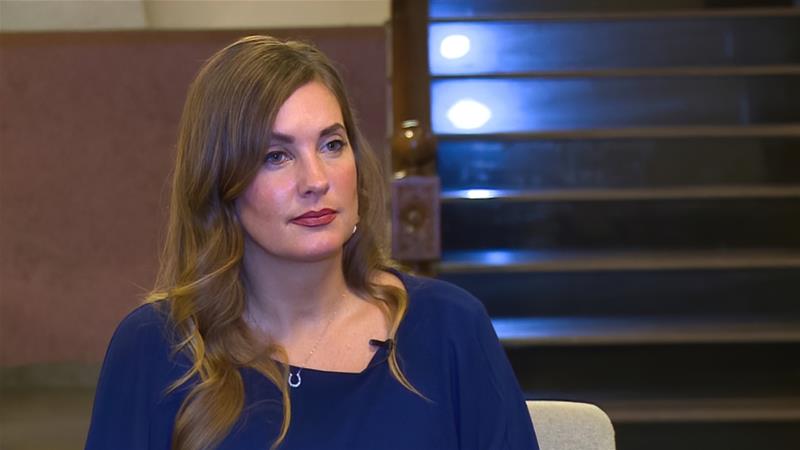
At that time, an American blogger named Cynthia Ritchie, who worked with Khyber Pakhtunkhwa’s (KPK) health ministry, was collecting samples from Abbottabad. Ritchie, who arrived two years before the raid, claimed her presence at KPK's health ministry was mere coincidence.
Her unrestricted access to Pakistan’s remote tribal regions, coupled with apparent backing from security forces, stirred suspicion locally since foreign journalists often face stringent restrictions when reporting from these areas.
A foreign correspondent, who was later expelled from Pakistan, told Al Jazeera, “Tribal areas were off-limits without prior permission, and Balochistan was even more restricted. The military was very sensitive to criticism.”
Ritchie stated she was investigating the Pashtun Tahaffuz Movement (PTM), a political group campaigning against alleged human rights abuses by the military against ethnic Pashtuns in the former Federally Administered Tribal Areas (FATA).
Having lived intermittently in Pakistan since 2009, Ritchie built a substantial social media following with videos that highlighted the country’s culture and people, attracting millions of views.
Recently, Ritchie gained significant media attention in Pakistan after accusing former Prime Minister Benazir Bhutto of ordering the assault of women linked to her then-husband, Asif Ali Zardari. She claimed to possess evidence supporting these allegations, though local political analysts dismissed the claims as baseless, and no concrete proof has been presented.
Her accusations caused outrage among Bhutto’s supporters and led a female senator from the Pakistan People’s Party (PPP) to formally complain, accusing Ritchie of “deliberately leaking private, doctored information and documents without consent, abusing social media platforms, and violating the Prevention of Electronic Crimes Act (PECA) to malign targeted individuals.”
Following these complaints, Ritchie released a video accusing former Interior Minister Rehman Malik of rape, along with allegations of inappropriate behavior against other PPP politicians, including former PM Yousuf Raza Gilani.
In an interview with Al Jazeera, Ritchie revealed, “I have faced severe traumas in this country. I reported the incidents to the US embassy days after they occurred. I was shocked, stunned. Their response was insufficient — the word ‘politics’ summarized their reluctance. They did not want to disrupt political affairs, so my case was quietly handled, and I was advised to return home.”
When approached, the US embassy in Pakistan declined to comment on private citizen matters for privacy reasons but affirmed providing “appropriate services and support to all Americans in Pakistan.”
Ritchie noted that these events date back to 2011, when she first began collaborating with the current Prime Minister Imran Khan.