Listen to ArticlePress play to hear this storyListen to ArticleDownload audio
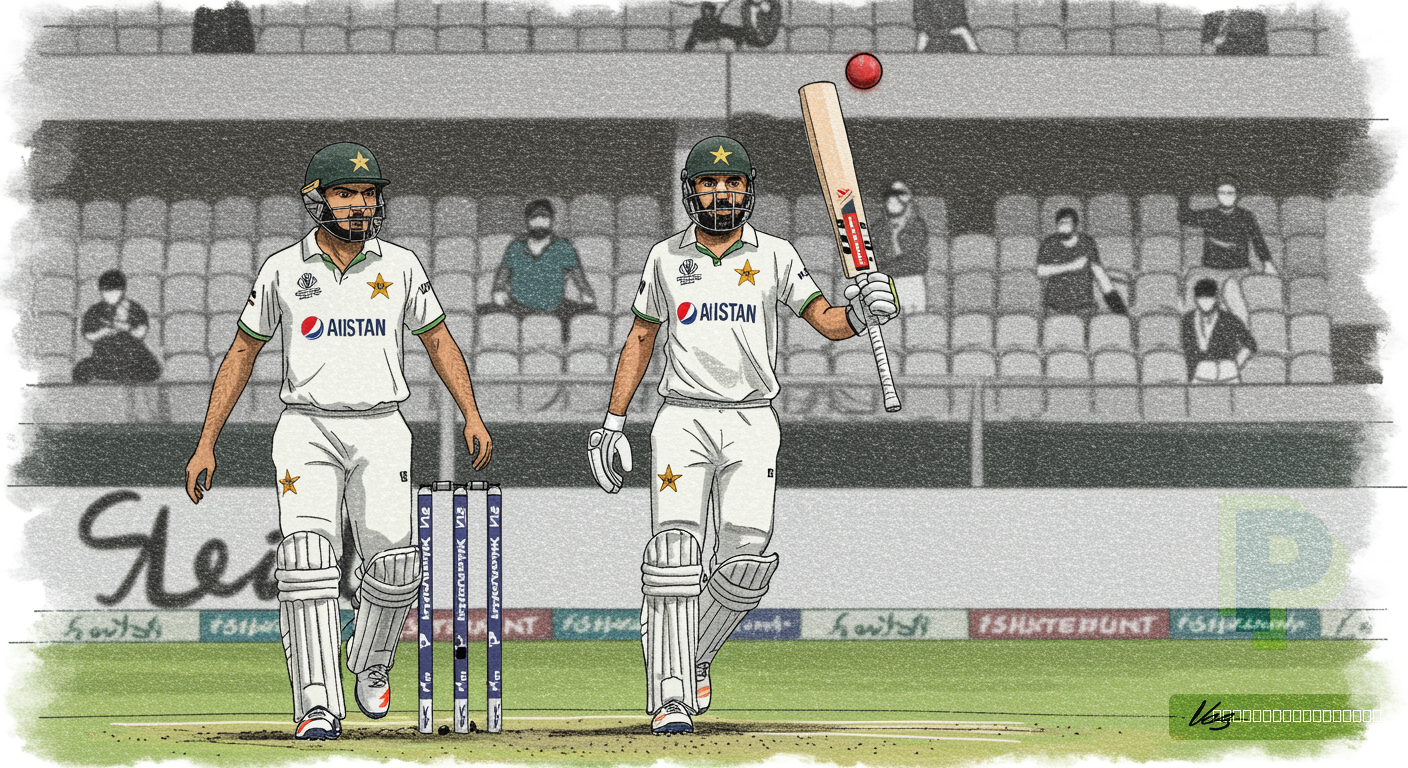
A seemingly innocuous no-ball bowled by cricket legend Shoaib Akhtar has unexpectedly cast a long shadow over Pakistani cricket, reviving uncomfortable memories of the 2010 Mohammad Amir spot-fixing scandal. While purely coincidental, the visual echo of a deliberate no-ball from over a decade ago has triggered a potent wave of public discussion and media scrutiny, compelling a critical re-evaluation of the Pakistan Cricket Board's (PCB) ongoing commitment to integrity and player education. The incident, occurring during a high-profile exhibition match, has inadvertently spotlighted the persistent challenge of maintaining public trust in the sport, raising questions about the effectiveness of existing anti-corruption frameworks and the psychological impact of past transgressions on the national cricketing psyche.
- Cricket icon Shoaib Akhtar bowled a conspicuous no-ball during a recent exhibition match, drawing immediate parallels to the 2010 Mohammad Amir spot-fixing scandal.
- The incident has reignited public debate in Pakistan regarding player integrity and the enduring legacy of past corruption in cricket.
- The Pakistan Cricket Board (PCB) has invested significantly in anti-corruption programmes since 2010, but this event highlights the fragility of public trust.
- Experts suggest the psychological impact of such events necessitates continuous vigilance and transparent communication from cricketing authorities.
- The incident could prompt the PCB to intensify its integrity education and public awareness campaigns, particularly impacting its operational strategies in cities like Lahore.
The recent incident involving Shoaib Akhtar, while lacking any malicious intent, serves as a poignant reminder of the deep scars left by past fixing scandals on Pakistan's cricketing landscape. The sheer visual similarity of a prominent no-ball immediately conjured images of the infamous 2010 Lord's Test, where Mohammad Amir, Salman Butt, and Mohammad Asif deliberately bowled no-balls as part of a spot-fixing scheme. This visceral connection highlights the enduring fragility of public trust and the constant scrutiny under which Pakistani cricketers operate. As of March 2026, the PCB has made significant strides in rebuilding its reputation, yet such incidents, however innocent, threaten to unravel years of diligent effort, particularly in cricketing heartlands like Lahore, where fan sentiment runs deep.
The Lingering Shadow of 2010 and PCB's Integrity Battle
The 2010 spot-fixing scandal remains one of the darkest chapters in Pakistan's cricketing history. Mohammad Amir, then a prodigious young fast bowler, along with captain Salman Butt and fellow pacer Mohammad Asif, were found guilty of taking bribes to deliberately bowl no-balls during a Test match against England at Lord's. The International Cricket Council (ICC) subsequently banned the trio for varying periods, with Amir receiving a five-year ban. Furthermore, all three faced criminal charges in the United Kingdom, leading to prison sentences. This incident not only tarnished individual careers but also severely damaged Pakistan's national image and the global perception of its cricket team, leading to a profound crisis of confidence among fans and international cricketing bodies alike.
As PakishNews previously reported, Gulf States Confirm Eid al-Fitr Dates, but How Will Escalating Regional….
In the aftermath, the Pakistan Cricket Board (PCB) embarked on a comprehensive, multi-pronged strategy to restore integrity and prevent future occurrences. According to a 2011 report by the then-Chairman of the PCB's Anti-Corruption Unit, efforts included significant investment in player education programmes, stricter implementation of the ICC Anti-Corruption Code, and enhanced surveillance mechanisms during domestic and international tours. The PCB established dedicated integrity officers and implemented a whistle-blower policy to encourage reporting of suspicious activities. As PakishNews previously reported, these measures were critical in helping Pakistan gradually regain its standing within the global cricketing community, culminating in moments like the 2017 Champions Trophy victory, which many saw as a symbol of redemption.
Why does this matter now? The recent Akhtar no-ball incident, despite being an unintentional occurrence in an exhibition game, serves as a stark reminder that the memory of 2010 is far from erased. It highlights how deeply ingrained the issue of integrity remains in the collective consciousness of Pakistani cricket fans and the international community. This immediate public reaction underscores that for the PCB, the fight against corruption is not merely about preventing future acts but also about continuously rebuilding and reinforcing trust, a task that requires persistent effort and transparent communication. The incident’s resonance indicates that even minor deviations from cricketing norms can trigger significant public anxiety, demanding a robust and visible commitment to ethical standards from all stakeholders.
Expert Perspectives on Trust and Perception
Distinguished voices within the cricketing and governance spheres have weighed in on the implications of the Akhtar incident.
Mr. Zahid Noor, a former Director of Operations at the PCB and now an independent sports integrity consultant, emphasised the psychological impact. "This incident, while minor and without any suggestion of wrongdoing by Shoaib Akhtar, underscores the fragility of public trust in Pakistani cricket, a trust we have painstakingly tried to rebuild since 2010," Noor told PakishNews. "The visual association, however unfair, immediately transports fans back to a painful era. This demands that the PCB remains hyper-vigilant and proactive in its messaging, especially concerning integrity in Lahore, which is a key hub for our national team's training and domestic tournaments."
Dr. Ayesha Khan, a leading sports sociologist at Quaid-i-Azam University, highlighted the media's role in shaping perception. "The immediate media framing of Akhtar's no-ball in relation to Amir's scandal demonstrates how deeply embedded the narrative of past corruption is," Dr. Khan explained. "For the informed citizen and policymaker, this isn't just a cricket story; it's a governance challenge. It’s about how institutions like the PCB manage historical liabilities and continuously prove their commitment to ethical conduct. The impact is felt not just on the field, but in national brand perception and potential foreign investment in sports infrastructure."
Barrister Omar Sheikh, a legal expert specialising in sports law, underscored the distinction between accidental and deliberate acts. "Legally, an accidental no-ball carries no implications for fixing, but the psychological impact on fans, especially given Pakistan's unique history, necessitates constant vigilance and transparent communication from the PCB," Sheikh stated in an interview with Geo News. "The PCB's legal and anti-corruption frameworks are robust on paper, aligned with ICC guidelines. The challenge lies in ensuring these are perceived as effective and unwavering by the public, particularly when such high-profile, if innocent, incidents occur."
Impact Assessment: Who is Affected and How?
The reverberations of Akhtar's no-ball extend beyond the cricket field, touching various stakeholders:
- The Pakistan Cricket Board (PCB): The PCB faces a renewed public relations challenge. Despite years of concerted effort and significant financial investment – reportedly over PKR 200 million annually on integrity programmes as of 2025 – to combat corruption and restore faith, this incident demonstrates the persistent vulnerability to past narratives. It might necessitate an immediate review of public communication strategies and a potential intensification of integrity awareness campaigns, particularly among younger players in domestic circuits across provinces like Punjab and Sindh.
- Current Players and Future Generations: For current national and emerging players, the incident increases scrutiny and psychological pressure. They are constantly under the shadow of past mistakes, requiring them to not only perform well but also to embody impeccable ethical conduct. This can impact mental well-being and performance, as highlighted by a 2023 study by the National Institute of Sports Psychology. For academies in Lahore and Karachi, this means an even greater emphasis on integrity modules in player development programmes.
- National Image and International Standing: While not a fixing scandal, the incident momentarily revives uncomfortable questions about Pakistan's commitment to clean cricket on the international stage. This could subtly influence perceptions among the International Cricket Council (ICC) and other member boards, potentially impacting future hosting bids for major tournaments or bilateral series scheduling, despite Pakistan's recent successes in hosting international cricket.
- Sponsors and Business Leaders: Corporate sponsors, who invest heavily in Pakistani cricket, are highly sensitive to issues of integrity and public perception. Any perceived threat to the sport's clean image could lead to cautious re-evaluation of investment, impacting the financial health of the PCB and the sport generally. Business leaders, particularly those with a stake in Lahore's sports economy, will be closely watching the PCB's response to mitigate any negative public sentiment.
- The Fans: Perhaps the most affected are the millions of passionate Pakistani cricket fans. The incident, however minor, reawakens painful memories and could foster renewed cynicism, eroding the hard-won trust. This impacts stadium attendance, television viewership, and overall engagement, which are critical for the sport's long-term sustainability and popularity. A senior fan representative from the Lahore Cricket Fans Association expressed concern, stating, "We have supported our team through thick and thin, but our trust is fragile. Every incident like this, even if innocent, reminds us of the past."
What Happens Next: Strengthening the Integrity Framework
In response to the heightened public discourse, the Pakistan Cricket Board is expected to proactively address the rekindled concerns. Sources within the PCB, speaking to PakishNews on condition of anonymity, indicated that while the incident itself is not being investigated for corruption, it has triggered an internal review of existing player education modules and public communication strategies. There is a strong likelihood that the PCB will launch a renewed public awareness campaign, potentially featuring prominent former cricketers, to reinforce messages of integrity and transparency. This campaign would be crucial in Lahore, given its central role in Pakistan's cricketing ecosystem, including the National High-Performance Centre.
Furthermore, this event might accelerate discussions within the PCB to enhance collaboration with the ICC's Anti-Corruption Unit (ACU) on best practices for psychological support and resilience training for players, helping them navigate the immense pressure and scrutiny. The long-term implications for the PCB’s integrity efforts in Lahore and beyond could include a recalibration of anti-corruption strategies, moving beyond mere enforcement to a more proactive, psychological approach aimed at inoculating players against external influences and fostering an unshakeable culture of ethical conduct from the grassroots level upwards. This proactive stance is essential not just for the reputation of Pakistan cricket, but for the future well-being and trust of its players and fans alike, ensuring that the legacy of past mistakes does not overshadow the immense talent and passion the nation holds for the game.
Related: More Pakistan Cricket News | Sports Governance
Related Coverage
- Gulf States Confirm Eid al-Fitr Dates, but How Will Escalating Regional Tensions Impact Pakistan’s…
- Claims of China-Pakistan Missile Development Emerge as Gulf Tensions Escalate, But What Are the…
- Gulf States Announce Eid Amid Rising Tensions, But What Do Pakistan's Strategic Defence…
Archive Discovery
Quick Answers (AI Overview)
- What happened in this story?
A seemingly innocuous no-ball bowled by cricket legend Shoaib Akhtar has unexpectedly cast a long shadow over Pakistani cricket, reviving uncomfortable memories of the 2010 Mohammad Amir spot-fixing scandal. This inciden - Why does this matter right now?
It matters because akhtar's recent no-ball echoes amir's past, but what does this mean for pcb's integrity efforts in lahore? can impact public discussion, policy, or regional stability depending on follow-up events. - What should readers watch next?
Watch for official statements, verified facts, and timeline updates from credible sources including The Times of India.
Frequently Asked Questions
What is the core update in this story?
A seemingly innocuous no-ball bowled by cricket legend Shoaib Akhtar has unexpectedly cast a long shadow over Pakistani cricket, reviving uncomfortable memories of the 2010 Mohammad Amir spot-fixing scandal. While purely coincidental, the visual echo of a deliberate no-ball from over a decade ago has triggered a potent
Why does this matter right now?
This matters because the development can influence public debate, policy direction, and the wider regional situation.
What should readers monitor next?
Follow official statements, verified facts, and timeline updates from reliable sources.