Listen to this articlePress play to hear this story in conversational podcast format.Listen to this articleDownload audio
A rapidly escalating conflict in the Middle East, marked by strikes on Gulf energy sites and a surge in global oil prices, is creating profound geopolitical and economic ripples. Pakistan finds itself at a critical juncture, balancing its strategic interests and economic vulnerabilities against a backdrop of intensified regional instability and claims of advanced defence collaborations. The government faces the immediate challenge of mitigating economic fallout from rising energy costs while carefully navigating a complex diplomatic landscape.
Quick Answer
Middle East crisis escalates with Gulf energy strikes, spiking oil prices. Pakistan faces severe economic fallout and complex strategic challenges amid claims of advanced defence collaboration.
- What is the immediate impact of Gulf energy site strikes on global oil prices? The recent strikes on Gulf energy sites, including a major gas hub in Qatar, have led to an immediate and significant spike in international oil prices. This surge is driven by market uncertainty and concerns over supply disruptions from a critical global energy production region. Economists estimate that sustained high prices could add 0.4% to inflation for net oil importers like Pakistan for every $10 increase per barrel.
- How does the escalating Middle East conflict affect Pakistan's national security interests? The intensifying Middle East conflict profoundly impacts Pakistan's national security by increasing regional instability, potentially disrupting vital trade routes, and raising concerns for the safety of its large expatriate community in the Gulf. Furthermore, the conflict's geopolitical ramifications, coupled with reported claims of China-Pakistan nuclear missile development, necessitate a careful recalibration of Pakistan's strategic defence and diplomatic engagements to safeguard its sovereignty and regional influence.
- What measures might Pakistan consider to mitigate the economic effects of rising oil prices? To mitigate the economic effects of surging oil prices, Pakistan's government might consider a multi-pronged approach. This could include exploring diversification of energy sources, enhancing domestic energy efficiency programs, and potentially seeking financial assistance or concessional oil import agreements from friendly nations. Additionally, fiscal measures such as targeted subsidies or tax adjustments might be considered to cushion the impact on vulnerable populations and key industries, while monitoring the $200 billion Pentagon request for potential long-term global market shifts.
- Middle East conflict escalates with Iran striking Gulf energy sites, including a major Qatar gas hub, leading to significant oil price spikes.
- Reports indicate the killing of Iran’s intelligence minister by Israel and the deployment of U.S. bunker busters, signaling a critical phase in the conflict.
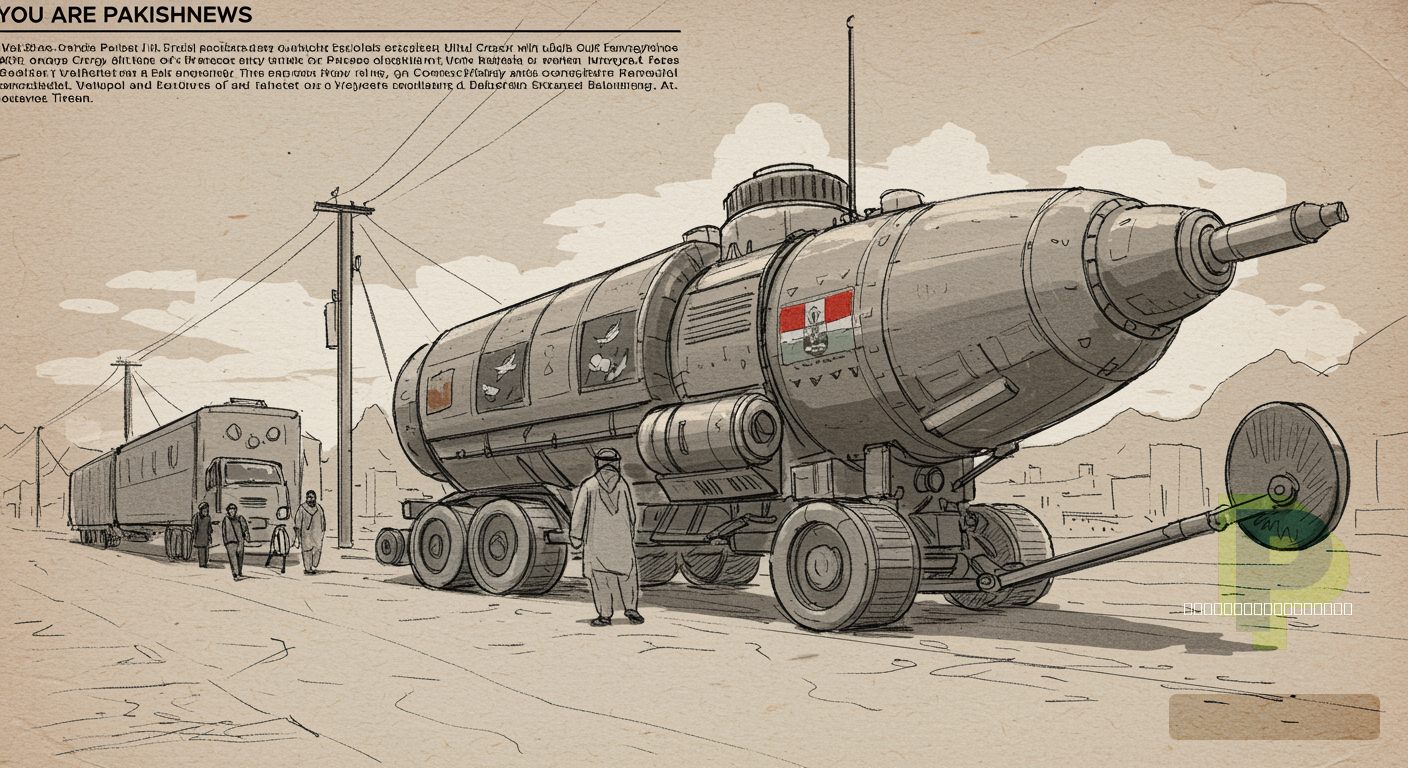
- A senior intelligence chief has claimed China and Pakistan are developing nuclear missiles capable of reaching the United States.
- Gulf states, including UAE, Saudi Arabia, Qatar, Bahrain, and Kuwait, have announced the date for Eid al-Fitr, a key regional development.
- Pakistan is also monitoring domestic security, ongoing diplomatic engagements, and critical weather developments.
Middle East Crisis Deepens: Regional and Global Impact on March 19, 2026
The Middle East is gripped by a rapidly intensifying conflict, with significant implications for global energy markets and regional stability. As of March 19, 2026, Iran has launched strikes against several energy sites across the Gulf, including a major gas hub in Qatar, according to reports from CNN and The New York Times. These actions have immediately triggered a sharp spike in international oil prices, raising concerns about global economic stability and energy security.
As PakishNews previously reported, Akhtar's Recent No-Ball Echoes Amir's Past, but what does this mean for PCB's….
Further escalating the crisis, NBC News reported the killing of Iran’s intelligence minister in an Israeli strike, an event that Tehran has vowed to avenge, as stated by The Guardian. Concurrently, the United States has reportedly deployed bunker busters, signalling a heightened level of military engagement in the region. The Pentagon is also reportedly seeking an additional $200 billion in funding for the ongoing conflict, a request highlighted by The Guardian, underscoring the long-term commitment and potential scale of the confrontation. These developments collectively represent a critical and volatile phase in the long-standing tensions, with direct consequences for nations reliant on Gulf energy supplies and regional trade routes.
Pakistan's Strategic Posture Amidst Global Claims and Regional Diplomacy
Against this backdrop of regional turbulence, Pakistan's strategic defence capabilities and diplomatic engagements are under international scrutiny. NDTV has cited a senior intelligence chief, reportedly from a Western nation, claiming that China and Pakistan are jointly developing nuclear missiles with ranges capable of reaching the United States. While such claims are highly sensitive and require careful verification, they underscore the evolving dynamics of global strategic partnerships and defence technology transfer. According to defence analysts, this development, if substantiated, would significantly alter the geopolitical landscape and Pakistan's strategic deterrence posture, particularly in its relations with major global powers.
Domestically, Pakistan's government, as reported by Dawn News, is actively managing key developments across security, diplomacy, and even weather. The ongoing regional instability necessitates intensified diplomatic efforts to safeguard Pakistan's interests and maintain its neutrality. In a related development covered by PakishNews, Pakistan has consistently advocated for peaceful resolutions to regional conflicts, a stance reiterated by the Ministry of Foreign Affairs on multiple occasions. These diplomatic overtures are critical for ensuring the safety of Pakistani expatriates in the Gulf and securing vital trade routes. Read more on Pakistan's security challenges at PakishNews.
Economic Repercussions and Domestic Considerations for Pakistan
The surge in global oil prices, directly resulting from the Middle East conflict, poses a significant economic challenge for Pakistan. As a net importer of oil, Pakistan's economy is highly vulnerable to fluctuations in international energy markets. According to economists at the State Bank of Pakistan, every $10 increase per barrel in crude oil prices can add approximately 0.4% to the country's annual inflation rate and increase the import bill by hundreds of millions of dollars. This directly impacts the cost of transportation, manufacturing, and daily essentials, exacerbating inflationary pressures already faced by citizens. For businesses, particularly those in logistics and energy-intensive industries, this translates into higher operational costs and reduced profit margins.
Meanwhile, the Gulf states of UAE, Saudi Arabia, Qatar, Bahrain, and Kuwait have announced the date for Eid al-Fitr, as reported by Al-Watan. This announcement, while a religious and cultural event, carries economic significance for the region and for Pakistan, given the large Pakistani diaspora residing and working in these countries. The timing of Eid influences travel plans, remittances, and regional economic activity. Furthermore, Pakistan is contending with significant weather developments, including forecasts for potentially disruptive patterns across various regions, as highlighted by Dawn News. Such weather events can impact agriculture, infrastructure, and daily life, adding another layer of complexity to the government's immediate priorities.
Background and Context of Escalating Tensions
The current escalation in the Middle East is rooted in decades of complex geopolitical rivalries, sectarian divisions, and proxy conflicts involving Iran, Israel, the United States, and various regional actors. Tensions have simmered for years, often flaring up over nuclear ambitions, regional hegemony, and the Israeli-Palestinian conflict. The recent strikes on energy infrastructure signify a dangerous departure from previous proxy engagements, directly targeting vital economic assets and risking a broader confrontation. This context is crucial for understanding the gravity of the current situation and the potential for a wider conflict that could redraw regional alliances and global energy supply lines.
Pakistan, with its strategic geographic location bordering Iran and its deep historical ties with Saudi Arabia and other Gulf Cooperation Council (GCC) states, finds itself in a delicate balancing act. Historically, Pakistan has maintained strong defence cooperation with China, a relationship that has evolved to include advanced technological collaboration. This backdrop of long-standing strategic alliances and regional sensitivities informs Pakistan's cautious diplomatic approach and its focus on maintaining economic stability amidst external shocks. The country's economy, already grappling with structural challenges and external debt, cannot afford prolonged periods of high energy prices or regional instability, which could deter foreign investment and disrupt trade.
Expert Analysis and Impact Assessment
"The Middle East is teetering on the brink of a full-scale regional war, and the strikes on Gulf energy sites are a direct threat to global supply chains and economic stability," stated Dr. Aisha Khan, a senior geopolitical analyst at the Institute of Regional Studies in Islamabad. "Pakistan's immediate concerns must be twofold: ensuring the safety of its citizens in the Gulf and preparing for the severe economic headwinds from sustained high oil prices. This crisis demands exceptional diplomatic agility."
Mr. Tariq Mehmood, an independent economist based in Karachi, echoed these concerns, telling PakishNews, "The $200 billion Pentagon request signals a long-term commitment that will keep global risk premiums high, directly impacting Pakistan's ability to secure affordable energy and manage its current account deficit. We could see double-digit inflation figures persist for longer than anticipated, severely affecting household budgets and small businesses."
The immediate impact on Pakistan is multi-faceted. Citizens will experience increased cost of living, particularly for fuel and electricity, which translates into higher prices for food and transportation. Businesses face disrupted supply chains and increased operational expenses, potentially leading to reduced production and job losses. The government's fiscal space will shrink, as more funds are diverted to subsidise energy or manage a ballooning import bill, potentially impacting development programmes. Regionally, the instability threatens the substantial remittances from Pakistani expatriates in the Gulf, a vital source of foreign exchange for Pakistan. In a related development, PakishNews reported on the government's recent budget adjustments.
What Happens Next and Broader Implications
The trajectory of the Middle East conflict remains highly unpredictable, with potential for further escalation if diplomatic off-ramps are not found swiftly. For Pakistan, the immediate focus will be on diplomatic engagement with both Gulf states and international powers to de-escalate tensions and protect its economic interests. The government will likely explore strategies to diversify energy sources, enhance energy efficiency, and potentially seek financial assistance to cushion the impact of rising oil prices.
Why does this escalation matter for Pakistan? This crisis is not just about oil prices; it fundamentally challenges Pakistan's foreign policy of maintaining neutrality and fostering regional stability. The reported nuclear missile development with China, if accurate, adds another layer of complexity to its international relations, especially with Western powers. Stakeholders, including policymakers, business leaders, and informed citizens, should closely monitor the diplomatic efforts to contain the Middle East conflict, the global response to energy market volatility, and Pakistan’s internal economic adjustments. The coming weeks will be critical in shaping Pakistan's economic stability and its strategic positioning on the international stage, determining how effectively it can navigate this confluence of severe regional and global challenges.
Related: More Pakistan News | Middle East Diplomacy
Related Coverage
- Akhtar's Recent No-Ball Echoes Amir's Past, but what does this mean for PCB's integrity efforts in…
- Gulf States Confirm Eid al-Fitr Dates, but How Will Escalating Regional Tensions Impact Pakistan’s…
- Claims of China-Pakistan Missile Development Emerge as Gulf Tensions Escalate, But What Are the…
Archive Discovery
Frequently Asked Questions
What is the immediate impact of Gulf energy site strikes on global oil prices?
The recent strikes on Gulf energy sites, including a major gas hub in Qatar, have led to an immediate and significant spike in international oil prices. This surge is driven by market uncertainty and concerns over supply disruptions from a critical global energy production region. Economists estimate that sustained high prices could add 0.4% to inflation for net oil importers like Pakistan for every $10 increase per barrel.
How does the escalating Middle East conflict affect Pakistan's national security interests?
The intensifying Middle East conflict profoundly impacts Pakistan's national security by increasing regional instability, potentially disrupting vital trade routes, and raising concerns for the safety of its large expatriate community in the Gulf. Furthermore, the conflict's geopolitical ramifications, coupled with reported claims of China-Pakistan nuclear missile development, necessitate a careful recalibration of Pakistan's strategic defence and diplomatic engagements to safeguard its sovereignty and regional influence.
What measures might Pakistan consider to mitigate the economic effects of rising oil prices?
To mitigate the economic effects of surging oil prices, Pakistan's government might consider a multi-pronged approach. This could include exploring diversification of energy sources, enhancing domestic energy efficiency programs, and potentially seeking financial assistance or concessional oil import agreements from friendly nations. Additionally, fiscal measures such as targeted subsidies or tax adjustments might be considered to cushion the impact on vulnerable populations and key industries, while monitoring the $200 billion Pentagon request for potential long-term global market shifts.