Global energy markets are in turmoil following heightened US-Iran hostilities, with significant implications for Pakistan's import-dependent economy. As the nation prepares for Eidul Fitr on March 21, 2026, a deadly spell of heavy rains has claimed lives, underscoring domestic challenges amidst a volatile international landscape. The confluence of geopolitical instability and internal events presents a complex picture for Pakistan's policymakers and citizens alike, demanding careful navigation of both immediate and long-term impacts.
Quick Answer
Global energy prices soar amid US-Iran conflict, threatening Pakistan's economy as the nation prepares for Eid and grapples with deadly rains.
- How will escalating US-Iran tensions directly impact Pakistan's energy sector? Escalating US-Iran tensions are pushing global crude oil and natural gas prices significantly higher. For Pakistan, a country that imports over 80% of its oil, this directly translates into a much larger import bill, increased local fuel prices, higher electricity tariffs, and a strain on foreign exchange reserves. This could exacerbate inflation, which was already at 23.1% in February 2026, according to the Pakistan Bureau of Statistics.
- What is the confirmed date for Eidul Fitr in Pakistan for 2026? Eidul Fitr in Pakistan for 2026 will be celebrated on Saturday, March 21, 2026. This date was confirmed by the News Desk following the non-sighting of the Shawwal moon on the evening of March 20, 2026. This timing allows families across the nation to plan their celebrations and travel arrangements accordingly.
- Why is Turkiye's role in Pakistan-Afghanistan peace significant? Turkiye's role in promoting peace between Pakistan and Afghanistan is significant due to its strong diplomatic ties with both nations and its historical influence in the broader Islamic world. As acknowledged by Prime Minister Shehbaz Sharif in his call with President Erdoğan, Turkiye can leverage its unique position to facilitate dialogue, build trust, and mediate disputes, contributing to regional stability and fostering cooperation on shared challenges like border management and economic development.
- US-Iran tensions escalate with President Trump's threats and Tehran's retaliatory strikes, including a reported attack on Israel's Haifa oil refinery, causing global energy prices to soar.
- Pakistan has confirmed Eidul Fitr will be celebrated on Saturday, March 21, 2026, following the non-sighting of the Shawwal moon.
- Heavy rainfall and strong winds across Pakistan have resulted in the tragic deaths of 18 individuals, highlighting the country's vulnerability to extreme weather events.
- A body of an Afghan national was handed over at the Torkham border, signalling a pause in 'Operation Ghazab lil' and potentially easing cross-border tensions.
- Prime Minister Shehbaz Sharif engaged in a telephonic conversation with Turkish President Recep Tayyip Erdoğan, acknowledging Turkiye’s efforts in fostering peace between Pakistan and Afghanistan.
- Pakistan's Foreign Office rejected remarks made by Israel's ambassador to India, characterising them as 'baseless' and reaffirming the nation's diplomatic stance.
Geopolitical Tensions Drive Energy Volatility, Threatening Pakistan's Economic Stability
The global energy landscape witnessed significant upheaval over the past 24 hours as geopolitical tensions between the United States and Iran escalated dramatically. According to NBC News, live updates indicated a sharp rise in energy prices after former US President Donald Trump threatened to target an Iranian gas field. This threat was followed by reports from Hindustan Times confirming that Iran had intensified its retaliatory actions in the Gulf, including a strike on the Haifa oil refinery in Israel. Despite these aggressive developments, Trump has reportedly ruled out deploying US troops anywhere, attempting to delineate the scope of potential conflict.
As PakishNews previously reported, Pakistan Confirms Eid ul Fitr for March 21, but How Will Severe Weather Affect….
This volatile situation immediately translates into higher crude oil and natural gas prices on international markets. For Pakistan, a nation heavily reliant on imported energy, this spells significant economic challenges. The country's annual oil import bill, which constitutes a substantial portion of its total imports, is directly impacted by such fluctuations. An increase in global crude prices by even a few dollars per barrel can add hundreds of millions to Pakistan's import expenditure, exacerbating current account deficits and putting immense pressure on foreign exchange reserves. As PakishNews previously reported on Pakistan's ongoing economic reforms, these external shocks severely complicate the government's efforts to stabilise the economy and control inflation.
Background: A History of Volatility and Regional Diplomacy
The current US-Iran standoff is rooted in decades of complex geopolitical dynamics, marked by periods of intense confrontation and fragile de-escalation. Iran's nuclear programme, its regional influence, and the US's strategic interests in the Middle East have consistently fuelled tensions. Previous administrations have navigated this through sanctions, diplomatic overtures, and military posturing. The re-emergence of explicit threats from a former US President, coupled with direct retaliatory actions by Tehran, signals a dangerous new phase that carries profound implications for regional stability, particularly for Gulf nations and their trade partners, including Pakistan.
Pakistan's relationship with both the US and Iran is multifaceted, requiring a delicate balancing act. While a key security partner to the US, Pakistan also shares a long border with Iran and has significant economic and cultural ties. The stability of the Middle East and the Gulf region is paramount for Pakistan, not only due to energy security but also because of the large expatriate Pakistani workforce in GCC countries, whose remittances are vital for the national economy. Diplomatic efforts, such as the recent call between Prime Minister Shehbaz Sharif and Turkish President Recep Tayyip Erdoğan, underscore Pakistan's commitment to regional peace and its recognition of Turkiye's constructive role in mediating disputes, including those concerning Pakistan and Afghanistan. This engagement highlights a proactive approach to mitigating regional instability, a theme PakishNews has explored in its coverage of Pakistan's evolving foreign policy.
Why does this matter? The current escalation in the Middle East has immediate and severe economic ramifications for Pakistan. As of March 2026, Pakistan is navigating a challenging economic environment, with inflation remaining a key concern for ordinary citizens. A surge in global energy prices directly translates into higher domestic fuel costs, increased electricity tariffs, and elevated prices for essential goods and services, further eroding purchasing power and potentially triggering social unrest. The government's fiscal space to absorb such shocks is limited, making proactive diplomatic engagement and strategic economic planning critically important.
Domestic Challenges and National Celebrations: Eid Preparations Amidst Calamity
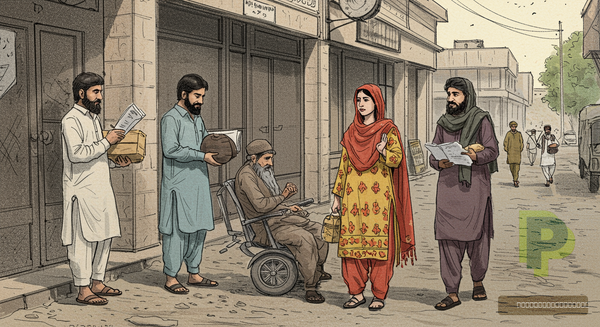
Amidst the international turmoil, Pakistan is simultaneously addressing significant domestic issues. The nation is preparing for Eidul Fitr, which the News Desk confirmed will be celebrated on Saturday, March 21, 2026, following the non-sighting of the Shawwal moon. This annual celebration marks the end of Ramadan and is a time of family reunions and festivities. However, the joyous occasion is tempered by tragic news from across the country, where heavy rainfall and strong winds have claimed the lives of 18 people, as reported by Monte Carlo Doualiya. These fatalities, spread across various regions, underscore Pakistan's increasing vulnerability to extreme weather events, a pattern that experts attribute to climate change.
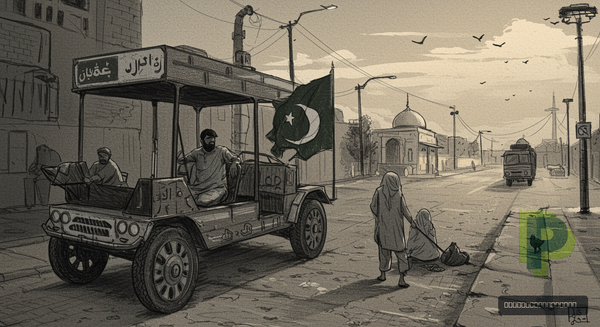
In a separate but related development concerning regional stability, the body of an Afghan national was formally handed over at the Torkham border, according to a News Desk report. This action follows a reported pause in 'Operation Ghazab lil,' a term often associated with border security operations. The handover is a crucial step in de-escalating tensions along the Pak-Afghan border and facilitating humanitarian processes, reflecting ongoing efforts to manage cross-border dynamics. Such gestures are vital for maintaining functional relations between the two neighbouring countries, particularly as Pakistan seeks to promote peace and stability in Afghanistan.
Expert Analysis: Economic Vulnerabilities and Diplomatic Imperatives
Experts are sounding alarms regarding the dual challenges facing Pakistan. Dr. Amna Khan, a Senior Geopolitical Strategist at the Institute for Regional Studies in Islamabad, stated, "The escalating US-Iran confrontation is a red flag for Pakistan's economic stability. Our reliance on imported oil means any price hike directly impacts our trade balance and fuels inflation, which is already a major public concern. The government must brace for sustained volatility and explore all diplomatic avenues to de-escalate regional tensions." This sentiment is echoed by economic analysts who predict a turbulent period for the national exchequer.
Regarding the domestic front, Dr. Tariq Shah, a prominent meteorologist and climate change expert, highlighted the urgency of robust disaster preparedness. "The 18 fatalities from recent rains are a grim reminder of our infrastructure's vulnerability to increasingly severe weather patterns. We need a comprehensive, multi-sectoral approach to climate resilience, from early warning systems to urban planning, to protect our citizens from future calamities. These events are no longer anomalies but part of a new normal," Dr. Shah remarked, stressing the need for long-term investments in disaster mitigation strategies.
A senior official from the Ministry of Foreign Affairs, speaking on condition of anonymity due to the sensitivity of ongoing diplomatic engagements, emphasised Pakistan's consistent stance. "Our rejection of the Israeli ambassador's remarks, as communicated by the Foreign Office, reiterates Pakistan's principled position on regional issues and its unwavering commitment to international law. Simultaneously, our Prime Minister's outreach to President Erdoğan demonstrates our proactive diplomacy in fostering dialogue and peace, particularly concerning the intricate situation between Pakistan and Afghanistan. Turkiye's historical ties and influence make it a valuable partner in this regard." This indicates a measured, yet firm, approach to foreign policy amidst regional complexities.
Impact Assessment: From Consumer Pockets to Diplomatic Aisles
The immediate and most tangible impact of soaring energy prices will be felt by Pakistani consumers. Higher fuel costs will translate into increased transportation expenses, affecting daily commutes and the cost of goods delivered across the country. Families already struggling with inflation will find their household budgets stretched further, particularly during the Eid holiday period when travel and celebratory expenses peak. Businesses, especially those in manufacturing and logistics, will face increased operational costs, potentially leading to reduced profitability and slower economic growth. The government, in turn, will be under immense pressure to manage subsidies, control inflation, and safeguard its foreign exchange reserves, a challenge articulated in various State Bank of Pakistan reports.
The tragic loss of 18 lives due to heavy rains is a stark reminder of the human cost of climate vulnerability. Communities in affected areas will require immediate relief and rehabilitation efforts. This also places additional strain on public health services and disaster management agencies, necessitating swift and coordinated responses from provincial and federal governments. The forthcoming Eid celebrations, while a source of joy, will also see increased travel, potentially complicating rescue efforts and resource allocation in rain-affected regions, creating a complex logistical challenge for authorities.
On the diplomatic front, Pakistan's firm rejection of the Israeli ambassador's remarks underscores its adherence to its long-standing foreign policy principles. This stance is crucial for maintaining regional alliances and supporting international resolutions. The Prime Minister's engagement with President Erdoğan, meanwhile, highlights Pakistan's active role in seeking regional stability. Efforts to promote peace between Pakistan and Afghanistan, supported by Turkiye, are vital for border security, trade, and the overall socio-economic development of the region, as detailed by various policy papers from the Ministry of Commerce. Read more on Pakistan-Afghanistan relations on PakishNews.
What Happens Next: Navigating Uncertainty and Building Resilience
Looking ahead, the trajectory of global energy prices will largely depend on the de-escalation or further intensification of US-Iran tensions. Policymakers in Pakistan will be closely monitoring international developments, preparing contingency plans for energy procurement and price stabilisation measures. The government might explore diversification of energy sources and accelerate renewable energy projects to reduce reliance on volatile fossil fuel markets. Citizens should anticipate continued price volatility in the coming weeks, particularly concerning fuel and electricity tariffs, and plan accordingly.
Domestically, the meteorological department will remain under scrutiny for early warnings regarding extreme weather. Authorities are expected to ramp up disaster preparedness and response mechanisms, especially as the monsoon season approaches later in the year. Investment in climate-resilient infrastructure and public awareness campaigns will be critical to minimise future casualties. The Torkham border management will continue to be a focal point for Pak-Afghan relations, with further diplomatic efforts expected to formalise border protocols and facilitate humanitarian movements, ensuring mutual respect and cooperation.
On the diplomatic stage, Pakistan will likely continue its active engagement with regional and international partners to promote peace and stability in the Middle East and Afghanistan. The Foreign Office will remain vigilant, ready to respond to any statements or actions that challenge Pakistan's principled foreign policy. Stakeholders should watch for any shifts in global energy policies, further developments in US-Iran relations, and the effectiveness of domestic climate adaptation strategies, which will collectively shape Pakistan's socio-economic landscape in the coming months.
Related: More Pakistan News | Middle East Geopolitics
Related Coverage
- Pakistan Confirms Eid ul Fitr for March 21, but How Will Severe Weather Affect Festivities in…
- Government Unveils New Export Strategy, But How Will It Impact Textile Industries in Faisalabad?
- Government Finalises Key Fiscal Reforms, But What Does This Mean for Balochistan's Development…
Archive Discovery
Frequently Asked Questions
How will escalating US-Iran tensions directly impact Pakistan's energy sector?
Escalating US-Iran tensions are pushing global crude oil and natural gas prices significantly higher. For Pakistan, a country that imports over 80% of its oil, this directly translates into a much larger import bill, increased local fuel prices, higher electricity tariffs, and a strain on foreign exchange reserves. This could exacerbate inflation, which was already at 23.1% in February 2026, according to the Pakistan Bureau of Statistics.
What is the confirmed date for Eidul Fitr in Pakistan for 2026?
Eidul Fitr in Pakistan for 2026 will be celebrated on Saturday, March 21, 2026. This date was confirmed by the News Desk following the non-sighting of the Shawwal moon on the evening of March 20, 2026. This timing allows families across the nation to plan their celebrations and travel arrangements accordingly.
Why is Turkiye's role in Pakistan-Afghanistan peace significant?
Turkiye's role in promoting peace between Pakistan and Afghanistan is significant due to its strong diplomatic ties with both nations and its historical influence in the broader Islamic world. As acknowledged by Prime Minister Shehbaz Sharif in his call with President Erdoğan, Turkiye can leverage its unique position to facilitate dialogue, build trust, and mediate disputes, contributing to regional stability and fostering cooperation on shared challenges like border management and economic development.