Listen to this articlePress play to hear this story in conversational podcast format.Listen to this articleDownload audio
A volatile geopolitical landscape has unfolded in the last 24 hours, with critical energy infrastructure in the Gulf region coming under attack, triggering a significant surge in global oil prices. Simultaneously, reports have emerged detailing Pakistan's advanced defence capabilities developed in collaboration with China, while the Gulf states prepare for the upcoming Eid al-Fitr celebrations. These converging developments pose immediate and long-term implications for Pakistan's economic stability, strategic posture, and the daily lives of its citizens.
Quick Answer
Gulf energy sites hit, oil prices soar, impacting Pakistan's economy. Meanwhile, Pakistan and China reportedly develop long-range nuclear missiles as Gulf states announce Eid al-Fitr.
- How will the Gulf energy site strikes affect Pakistan's economy? The strikes on Gulf energy sites, particularly the Qatar gas hub, have already caused global oil prices to spike by over 4%. For Pakistan, a significant oil importer, this directly translates into a higher import bill, which could strain its foreign exchange reserves, exacerbate inflation, and increase the cost of essential goods and transportation. This situation adds considerable pressure on the government's efforts to manage its current account deficit as of March 2026.
- What is the significance of Pakistan's reported nuclear missile development with China? The reported development of nuclear missiles by Pakistan and China, with a range capable of reaching the United States, marks a substantial advancement in Pakistan's strategic deterrence capabilities. According to defence analysts, this could enhance Pakistan's diplomatic leverage and influence in regional security dialogues, while also increasing international scrutiny on its non-proliferation commitments. It underscores the enduring strategic partnership between the two nations and Pakistan's evolving role in global geopolitics.
- How do the ongoing regional tensions impact Eid al-Fitr preparations in Pakistan and the Gulf? The ongoing regional tensions and rising oil prices introduce uncertainty into Eid al-Fitr preparations. While Gulf states have announced Eid dates, potentially around April 10, 2026, high fuel costs could lead to increased airfares and transportation expenses, affecting travel plans for millions of Pakistani expatriates. Domestically, Pakistani authorities will focus on ensuring security during large public gatherings and managing potential travel disruptions, as increased vigilance is often required during periods of regional instability.
- Multiple energy sites across the Gulf, including a major Qatar gas hub, have been struck amidst escalating regional conflict, as reported by CNN and The New York Times.
- Global oil prices have spiked significantly, with Brent crude futures rising by over 4% in early trading, directly impacting energy import-dependent nations like Pakistan.
- An intelligence chief has claimed that Pakistan and China are jointly developing nuclear missiles capable of reaching the United States, according to NDTV.
- The UAE, Saudi Arabia, Qatar, Bahrain, and Kuwait have officially announced the likely date for Eid al-Fitr, setting the stage for regional celebrations and travel.
- Pakistan is also monitoring its internal security, diplomatic engagements, and weather patterns, as highlighted by Dawn News, particularly in light of regional tensions and upcoming holidays.
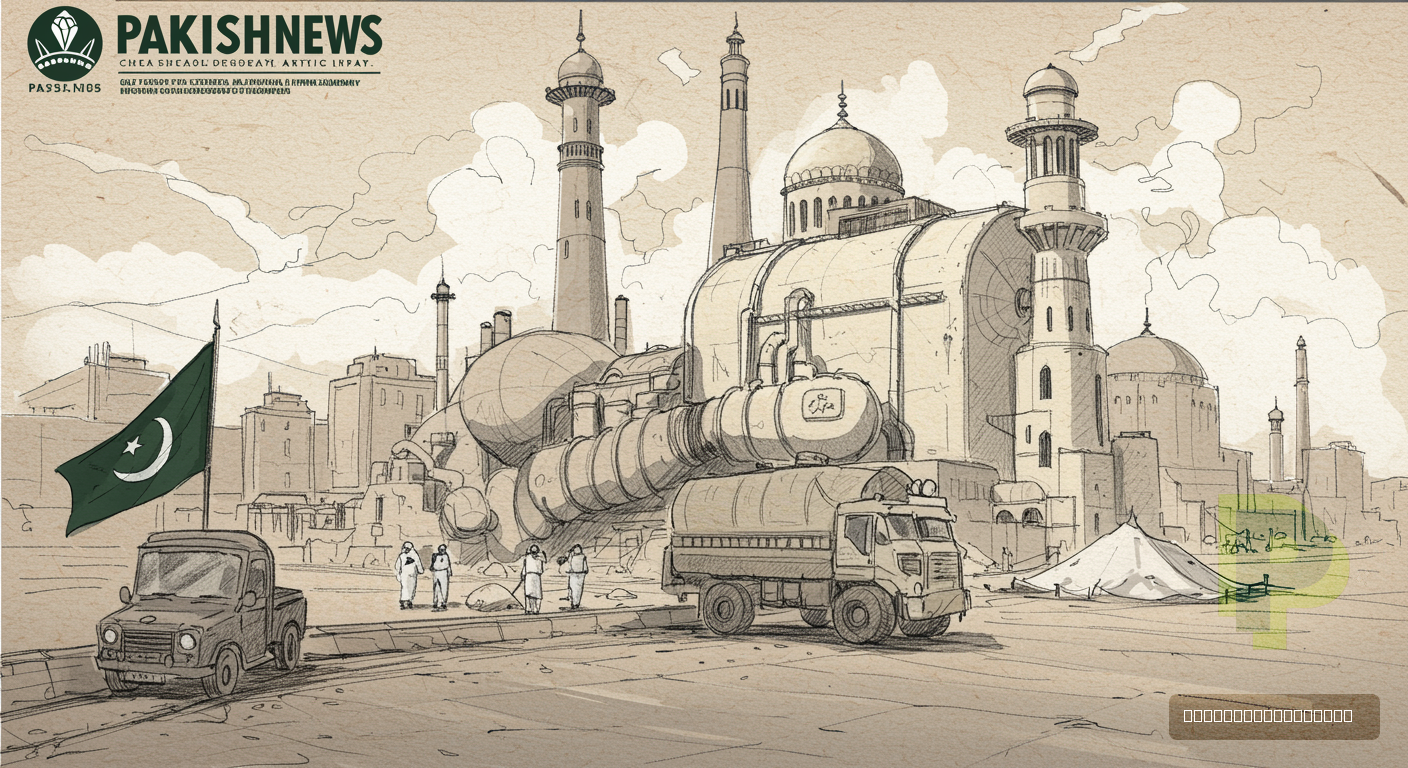
The latest escalation in the Iran conflict has directly impacted the heart of global energy supply, with reports from CNN and The New York Times confirming strikes on several Gulf energy sites. Most notably, a major gas hub in Qatar experienced significant fires, disrupting operations and sending ripples through international energy markets. This immediate disruption has seen global oil prices climb sharply, with Brent crude futures recording an increase of over 4% within a 24-hour period, reaching approximately $92 per barrel as of March 19, 2026. Such a surge directly translates into higher import costs for countries heavily reliant on foreign oil, including Pakistan.
As PakishNews previously reported, Pakistan Navigates Escalating Gulf Tensions and Strategic Defence Developments,….
In a related development, The Guardian reported that former US President Donald Trump is allegedly against further attacks on Iran's energy sites, following an Israeli strike on a gas field. This indicates a complex and rapidly evolving diplomatic landscape, where key international players are attempting to navigate the volatile situation while balancing regional stability with global economic interests. The ongoing conflict not only threatens the physical infrastructure of energy production but also creates significant uncertainty in shipping lanes crucial for global trade, especially through the Strait of Hormuz, a choke point for a substantial portion of the world's oil supply. This geopolitical instability has profound implications for Pakistan, which sources a significant portion of its energy from the Gulf region.
Escalating Regional Tensions and Global Energy Markets
The recent strikes on Gulf energy sites mark a dangerous escalation in the broader Iran conflict, which has been simmering for months. The targeting of critical infrastructure, such as the gas hub in Qatar, not only disrupts supply but also signals a willingness to broaden the scope of engagement. For Pakistan, a net importer of crude oil and petroleum products, the immediate consequence is a higher import bill. According to data from the Pakistan Bureau of Statistics, Pakistan's oil import bill typically constitutes a substantial portion of its total imports, and even a modest increase in global prices can significantly strain its foreign exchange reserves and exacerbate inflationary pressures. This directly impacts the cost of transportation, electricity generation, and industrial production across the nation, affecting everything from daily commutes to the price of essential goods.
Background/Context: The Gulf region's role as the world's primary energy provider means that any instability there reverberates globally. Historically, geopolitical tensions in the Middle East have been closely correlated with fluctuations in oil prices. During the 1970s oil crises and subsequent Gulf conflicts, price shocks led to global recessions and significant economic adjustments in oil-importing nations. Today, while global energy markets are more diversified, the sheer volume of oil and gas flowing from the Gulf ensures its continued strategic importance. For Pakistan, which has long grappled with current account deficits and a high dependence on imported fossil fuels, stable and affordable energy supplies from its Gulf partners are paramount for economic growth and stability. The current escalation therefore presents a critical challenge to Pakistan's economic managers, who must now brace for potential energy supply shocks and increased fiscal pressures. As PakishNews previously reported, the government has been implementing various measures to manage the national debt and stabilise the rupee, efforts that could be undermined by sustained high energy costs.
Pakistan's Strategic Defence Posture and Regional Implications
Amidst these regional volatilities, a significant report from NDTV has brought Pakistan's strategic defence capabilities into sharp focus. Citing statements from an unnamed intelligence chief, the report claims that Pakistan, in collaboration with China, is developing nuclear missiles with a range capable of reaching the United States. This assertion, if verified, underscores a substantial advancement in Pakistan's strategic deterrence capabilities and its long-standing defence partnership with China. The development highlights Pakistan's commitment to maintaining a credible minimum deterrence in a complex security environment, and it signals a potential recalibration of regional and global power dynamics.
Expert Analysis: Dr. Aisha Khan, a senior defence analyst at the Institute of Regional Studies in Islamabad, told PakishNews, "This reported development, if accurate, would signify a qualitative leap in Pakistan's strategic capabilities, moving beyond regional deterrence to potentially intercontinental reach. It reinforces the robust and enduring strategic partnership between Pakistan and China, a relationship that has always been pivotal for Pakistan's defence and technological advancement." Ambassador Javed Ali, a former diplomat with extensive experience in international relations, added, "The claim of US reach would undoubtedly draw significant attention from major global powers. It positions Pakistan as a more formidable strategic actor on the world stage, but also necessitates careful diplomatic navigation to manage perceptions and ensure regional stability, especially given the ongoing tensions in the Middle East."
Why does this development matter now for Pakistan's foreign policy? This reported advancement matters immensely for Pakistan's foreign policy as of March 2026 because it could reshape its diplomatic leverage and alliances. A more potent strategic arsenal could enhance its bargaining position in regional security dialogues and potentially alter the calculus of its adversaries. However, it also demands heightened responsibility and transparency in its non-proliferation commitments, as international scrutiny will inevitably intensify. The timing of this report, coinciding with heightened global instability, further amplifies its significance, as it underscores Pakistan's evolving role in a multipolar world order.
Eid al-Fitr Preparations Amidst Geopolitical Shifts
Against the backdrop of these significant geopolitical and strategic developments, the Gulf nations are preparing for the joyous occasion of Eid al-Fitr. Al Watan, an Arabic daily, has reported that the UAE, Saudi Arabia, Qatar, Bahrain, and Kuwait have officially announced the likely date for Eid al-Fitr, anticipated to fall around April 10, 2026, subject to moon sighting. This announcement sets in motion extensive preparations for millions of Muslims, including a significant Pakistani expatriate community across the Gulf, who will observe the end of Ramadan with prayers, family gatherings, and travel.
Impact Assessment: The announcement of Eid dates significantly affects travel plans for millions of expatriates working in the Gulf, many of whom are Pakistani citizens. Remittances sent home by these workers are a vital source of foreign exchange for Pakistan, and the Eid period typically sees a surge in these transfers, providing a boost to the national economy. Businesses in both Pakistan and the Gulf prepare for increased consumer spending, particularly in sectors such as retail, travel, and hospitality. However, the current regional instability and rising oil prices could introduce an element of caution. High fuel costs could increase airfares and transportation expenses, potentially impacting travel budgets and the overall celebratory mood. Furthermore, Dawn News's general roundup on Pakistan's security, diplomacy, and weather suggests that domestic considerations, such as maintaining law and order during large public gatherings and ensuring smooth travel, will be paramount for Pakistani authorities during this period. Any adverse weather conditions could also disrupt internal travel, adding another layer of complexity to the holiday preparations.
What Happens Next
The coming days and weeks will be critical in determining the trajectory of the escalating Iran conflict and its ripple effects. Stakeholders, particularly in Pakistan, will be closely watching global oil markets for signs of stabilization or further volatility. Sustained high oil prices could necessitate difficult economic adjustments for Pakistan, potentially involving revised energy import strategies and increased fiscal measures to cushion the impact on consumers. The government will need to carefully manage its foreign exchange reserves and potentially seek further support from international financial institutions to mitigate the economic fallout. Furthermore, diplomatic efforts to de-escalate the conflict will be crucial, and Pakistan's foreign office may find itself playing a delicate balancing act to maintain strong ties with both its Gulf allies and other regional powers.
Regarding Pakistan's strategic defence capabilities, the international community will be keenly observing any official statements or further details regarding the reported missile development. This could lead to intensified diplomatic engagements, with Pakistan needing to reaffirm its commitment to non-proliferation and responsible stewardship of its strategic assets. Domestically, the government will focus on ensuring peace and security during the Eid al-Fitr period, with heightened vigilance against any potential threats. The impact of weather on agricultural output and public infrastructure will also remain a key concern, as highlighted by the general 'Pakistan Roundup' from Dawn. The convergence of these regional and domestic challenges underscores a period of significant uncertainty and requires agile policy responses from Islamabad.
Related: More Pakistan Geopolitics News | Gulf Energy
Related Coverage
- Pakistan Navigates Escalating Gulf Tensions and Strategic Defence Developments, But What Does This…
- US Intelligence Warns of Pakistan's Long-Range Missiles, But What Are the Economic Stakes Amid Gulf…
- US Intelligence Chief Highlights Pakistan's Growing Long-Range Missile Capabilities, but what are…
Archive Discovery
Frequently Asked Questions
How will the Gulf energy site strikes affect Pakistan's economy?
The strikes on Gulf energy sites, particularly the Qatar gas hub, have already caused global oil prices to spike by over 4%. For Pakistan, a significant oil importer, this directly translates into a higher import bill, which could strain its foreign exchange reserves, exacerbate inflation, and increase the cost of essential goods and transportation. This situation adds considerable pressure on the government's efforts to manage its current account deficit as of March 2026.
What is the significance of Pakistan's reported nuclear missile development with China?
The reported development of nuclear missiles by Pakistan and China, with a range capable of reaching the United States, marks a substantial advancement in Pakistan's strategic deterrence capabilities. According to defence analysts, this could enhance Pakistan's diplomatic leverage and influence in regional security dialogues, while also increasing international scrutiny on its non-proliferation commitments. It underscores the enduring strategic partnership between the two nations and Pakistan's evolving role in global geopolitics.
How do the ongoing regional tensions impact Eid al-Fitr preparations in Pakistan and the Gulf?
The ongoing regional tensions and rising oil prices introduce uncertainty into Eid al-Fitr preparations. While Gulf states have announced Eid dates, potentially around April 10, 2026, high fuel costs could lead to increased airfares and transportation expenses, affecting travel plans for millions of Pakistani expatriates. Domestically, Pakistani authorities will focus on ensuring security during large public gatherings and managing potential travel disruptions, as increased vigilance is often required during periods of regional instability.