Listen to ArticlePress play to hear this storyListen to ArticleDownload audio
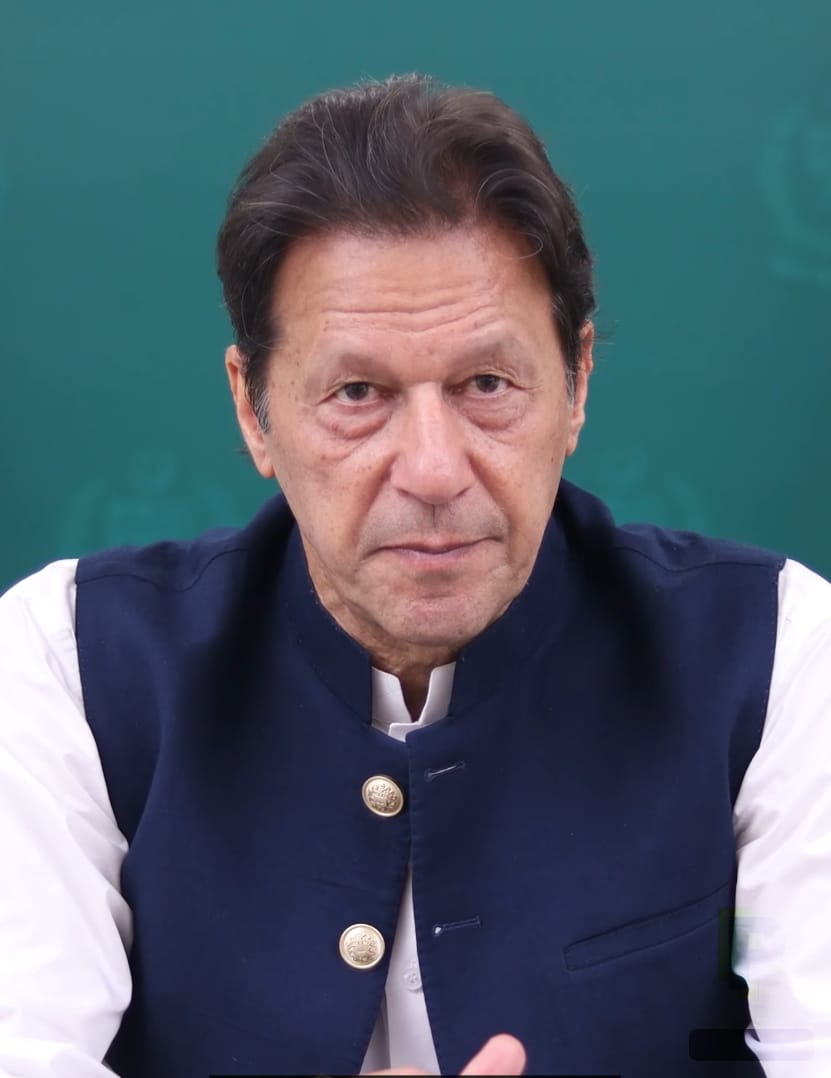
Former Prime Minister Imran Khan, currently incarcerated, was permitted to speak with his sons, Sulaiman Isa Khan and Qasim Khan, on Eid Al-Fitr, marking a rare moment of direct contact for the high-profile detainee. This allowance, confirmed by sources familiar with the matter, comes amid persistent reports and concerns regarding Mr. Khan's health and the broader conditions of his detention. While a seemingly routine gesture on a religious holiday, the development has drawn attention from political observers, human rights advocates, and the public, prompting questions about its wider implications for political transparency and the treatment of prisoners in Pakistan.
Quick Answer
Imran Khan's Eid call with sons sparks debate on prisoner rights and political transparency amid health concerns, raising questions about Pakistan's future stability.
- What is the significance of Imran Khan's Eid Al-Fitr phone call with his sons? The phone call is significant as it marks a rare instance of direct family communication for the former Prime Minister since his incarceration in August 2023. It highlights ongoing discussions about prisoner rights in Pakistan, especially for high-profile political detainees, and comes amid persistent health concerns. This event also carries symbolic weight during a major religious holiday, potentially influencing public perception of the government's humanitarian approach.
- How do Pakistan's legal frameworks address prisoner communication rights? Pakistan's Prison Rules, alongside international standards like the UN's Nelson Mandela Rules, stipulate that prisoners have a right to communicate with their families. These provisions aim to ensure humanitarian treatment and maintain familial ties. While security considerations can lead to restrictions, a complete denial of access, particularly during culturally significant times like Eid, often prompts scrutiny from legal and human rights advocates, as noted by Barrister Aftab Ahmed.
- What are the broader political implications of this development for Pakistan? This development, while seemingly minor, contributes to the broader political narrative surrounding Imran Khan's detention and the government's stance on political dissent. It could be interpreted as a strategic move to ease public and international pressure, or as a step towards more consistent application of prisoner rights. Dr. Aisha Sarfraz of NUST suggests it's a 'calculated political manoeuvre' that could impact public sentiment and discussions on national stability, especially in the context of Pakistan's current economic challenges and post-election political climate.
- Former Prime Minister Imran Khan permitted a phone call with his two sons, Sulaiman Isa Khan and Qasim Khan, on Eid Al-Fitr.
- The communication occurred amidst ongoing concerns regarding Mr. Khan's health and the conditions of his imprisonment.
- This access is a notable departure from previous restrictions, drawing attention to prisoner rights in Pakistan.
- Political analysts suggest the move could be a response to domestic and international pressure regarding Mr. Khan's detention.
- The development fuels broader discussions about the government's approach to political detainees and its impact on national stability.
Context of Detention and Prisoner Access
Imran Khan, who served as Pakistan's 22nd Prime Minister from August 2018 to April 2022, has been incarcerated since his arrest on August 5, 2023, following a conviction in the Toshakhana case. His detention has since been extended to cover multiple other legal cases, leading to his continued confinement in Adiala Jail, Rawalpindi. Throughout this period, access to Mr. Khan by his family, legal team, and political associates has been a contentious issue, frequently limited and subject to stringent protocols. Family members, including his wife Bushra Bibi, have often cited difficulties in securing regular meetings, and his legal team has consistently raised concerns about the ability to confer privately and prepare for numerous ongoing court cases.
As PakishNews previously reported, Pakistan's Finance Ministry Confirms Stable Fuel Supply Amid Global Turmoil,….
According to sources within the Ministry of Interior, the permission for the Eid Al-Fitr call was granted following a specific request from Mr. Khan's family, acknowledging the significance of the religious holiday. A senior government official, speaking on condition of anonymity, stated, “The government upholds humanitarian considerations, especially during religious festivals. This decision aligns with standard operating procedures for prisoners to connect with immediate family on special occasions, provided security protocols are met.” However, human rights organisations, including the Human Rights Commission of Pakistan (HRCP), have frequently highlighted the disparity in treatment for various detainees, advocating for consistent and transparent application of prisoner rights for all, regardless of political affiliation. In its annual report for 2023, the HRCP noted a 15% increase in complaints related to denial of access for legal counsel and family visits for political prisoners compared to the previous year.
Legal Precedents and Human Rights Considerations
The right of prisoners to communicate with their families is enshrined in both national and international legal frameworks. Pakistan's Prison Rules, for instance, stipulate provisions for family visits and communication, while the United Nations Standard Minimum Rules for the Treatment of Prisoners (the Nelson Mandela Rules) explicitly state that prisoners should be allowed to communicate with their family and friends at regular intervals by correspondence and by receiving visits. Legal experts familiar with Pakistan's correctional system, such as Barrister Aftab Ahmed, a Lahore-based constitutional lawyer, point out that “while security concerns can justify certain restrictions, a complete denial of communication, especially with immediate family on significant religious occasions, often raises questions about due process and humanitarian standards. The Eid call, therefore, can be seen as a corrective measure or a response to mounting pressure.”
The health concerns surrounding Imran Khan have added another layer of complexity to the debate. Reports from his legal team and family have periodically highlighted various ailments, including dental issues and general weakness, which they claim require better medical attention or at least independent assessment. While the government has consistently maintained that Mr. Khan is receiving adequate medical care within jail premises, the lack of independent verification has fueled speculation and public anxiety. The permission for the Eid call could also be interpreted as a move to alleviate some of this pressure by demonstrating a degree of humanitarian concern, potentially aiming to counter narratives of harsh or punitive detention conditions. This allowance is particularly significant when considering the tight security and scrutiny surrounding Mr. Khan since his initial arrest in May 2023, which sparked widespread protests across the country, leading to significant civil unrest and property damage, as PakishNews previously reported in its coverage of the May 9th events.
Political Resonance and Public Perception
The timing of this communication during Eid Al-Fitr is not lost on political analysts. Eid is a period of reconciliation and family unity, and the government's decision, even if routine, carries symbolic weight. Dr. Aisha Sarfraz, a political sociologist at the National University of Sciences and Technology (NUST) in Islamabad, suggests that “this is not merely a humanitarian gesture but a calculated political manoeuvre. It signals a slight easing of the most stringent restrictions, possibly aimed at tempering public sentiment and demonstrating a degree of flexibility, especially in the face of persistent criticism from opposition ranks and international human rights bodies.” The perception of how political prisoners are treated often becomes a barometer for the health of a democracy, and for a government grappling with legitimacy issues following the February 8, 2024, general elections, such gestures can be crucial in shaping public opinion.
For the Pakistan Tehreek-e-Insaf (PTI) party, Mr. Khan's political vehicle, any positive development regarding their leader's well-being or access is significant. Despite facing a comprehensive crackdown and numerous legal challenges, PTI maintains a substantial support base. The ability of Mr. Khan to communicate with his family, even briefly, can be seen by his supporters as a small victory, offering a glimmer of hope and reinforcing their resolve. Conversely, the ruling coalition may view this as a means to de-escalate tensions, particularly given the ongoing economic challenges and the need for a relatively stable political environment to implement critical reforms. The country’s inflation rate, for instance, stood at 20.7% in March 2024, according to the Pakistan Bureau of Statistics, highlighting the pressing need for political stability to attract investment and foster economic recovery. In a related development covered by PakishNews, the government recently outlined its economic recovery plan, which hinges significantly on domestic stability.
Why does this matter? This development matters because it reflects the delicate balance between state security concerns, fundamental human rights, and political optics in Pakistan. The treatment of high-profile political figures like Imran Khan often sets precedents for how the broader justice system operates and how future political dissent might be managed. It also influences international perceptions of Pakistan's human rights record, which is crucial for diplomatic relations and foreign investment.
Looking Ahead: Implications for Stability
The permission for Imran Khan to speak with his sons on Eid Al-Fitr, while a positive step in terms of humanitarian considerations, does not necessarily indicate a significant shift in the broader political or legal landscape surrounding his numerous cases. However, it does open several avenues for observation:
- Continued Scrutiny on Prison Conditions: Human rights organisations and legal bodies will likely intensify their calls for greater transparency regarding the health and access rights of all prisoners, particularly those in high-profile political cases.
- Potential for Further Concessions: Depending on the political climate, this could set a precedent for future requests for family contact or even potentially for more lenient conditions, though this remains highly speculative given the gravity of the charges Mr. Khan faces.
- Impact on Political Dialogue: While direct political dialogue with Mr. Khan remains unlikely in the immediate term, any perceived softening of the government's stance could indirectly influence the broader political discourse, potentially creating space for de-escalation of rhetoric, especially from PTI.
- International Observation: International bodies and foreign governments, which have expressed concern over Pakistan's political stability and human rights, will be closely watching for consistent application of prisoner rights.
Stakeholders, including political parties, legal fraternity, and civil society, should monitor whether this allowance represents an isolated humanitarian gesture or the beginning of a more consistent approach to prisoner rights and political engagement. The coming weeks will be crucial in determining if this brief moment of connection for Imran Khan translates into broader policy changes or if it remains a singular event during a festive period. The path forward for Pakistan's political stability remains intricately linked to how these sensitive issues are navigated, particularly as the nation grapples with economic recovery and the need for national cohesion. Read more on judicial proceedings related to political figures at PakishNews.
Related: More Pakistan Politics News | Imran Khan
Related Coverage
- Pakistan's Finance Ministry Confirms Stable Fuel Supply Amid Global Turmoil, but What Long-Term…
- Pakistan Flights Drop Nearly 50% Amid Crisis, But What Does This Mean for Travellers from Karachi?
- Fresh Oil Cargo Arrives in Pakistan Amid Global Volatility, But What Does This Mean for Consumer…
Archive Discovery
Quick Answers (AI Overview)
- What happened in this story?
Former Prime Minister Imran Khan was permitted to speak with his sons on Eid Al-Fitr, a development that, while seemingly minor, holds significant implications for prisoner rights, political transparency, and the broader - Why does this matter right now?
It matters because imran khan granted eid call, but what does it signal for islamabad's political future? can impact public discussion, policy, or regional stability depending on follow-up events. - What should readers watch next?
Watch for official statements, verified facts, and timeline updates from credible sources including Arab News PK.
Frequently Asked Questions
What is the significance of Imran Khan's Eid Al-Fitr phone call with his sons?
The phone call is significant as it marks a rare instance of direct family communication for the former Prime Minister since his incarceration in August 2023. It highlights ongoing discussions about prisoner rights in Pakistan, especially for high-profile political detainees, and comes amid persistent health concerns. This event also carries symbolic weight during a major religious holiday, potentially influencing public perception of the government's humanitarian approach.
How do Pakistan's legal frameworks address prisoner communication rights?
Pakistan's Prison Rules, alongside international standards like the UN's Nelson Mandela Rules, stipulate that prisoners have a right to communicate with their families. These provisions aim to ensure humanitarian treatment and maintain familial ties. While security considerations can lead to restrictions, a complete denial of access, particularly during culturally significant times like Eid, often prompts scrutiny from legal and human rights advocates, as noted by Barrister Aftab Ahmed.
What are the broader political implications of this development for Pakistan?
This development, while seemingly minor, contributes to the broader political narrative surrounding Imran Khan's detention and the government's stance on political dissent. It could be interpreted as a strategic move to ease public and international pressure, or as a step towards more consistent application of prisoner rights. Dr. Aisha Sarfraz of NUST suggests it's a 'calculated political manoeuvre' that could impact public sentiment and discussions on national stability, especially in the context of Pakistan's current economic challenges and post-election political climate.