Listen to ArticlePress play to hear this storyListen to ArticleDownload audio
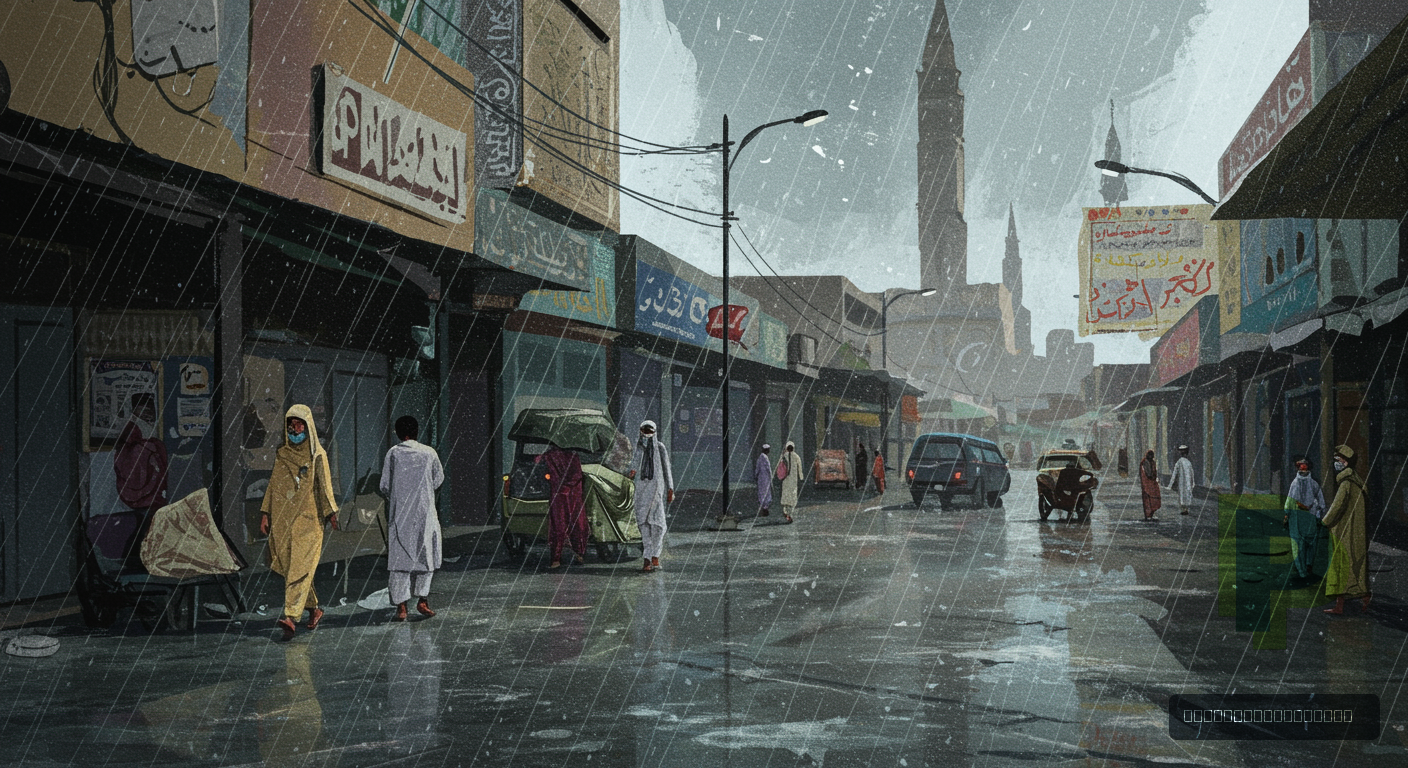
Karachi, Pakistan's economic hub, has once again been crippled by heavy monsoon rains and strong winds, leading to at least 18 fatalities and widespread disruption. This recurring tragedy underscores deep-seated issues within the city’s infrastructure and urban planning, prompting urgent questions about long-term resilience strategies. The latest monsoon spell has exposed Karachi's persistent vulnerability to extreme weather, demanding a comprehensive re-evaluation of its urban infrastructure.
Quick Answer
Karachi's monsoon fury claims 18 lives as heavy rains expose critical infrastructure failures, prompting urgent calls for long-term urban resilience.
- What caused the recent deaths in Karachi's monsoon rains? The recent monsoon rains in Karachi, as of March 2026, led to at least 18 fatalities primarily due to electrocution from faulty wiring, wall and roof collapses, and drowning in severely waterlogged areas. These incidents highlight the dangers posed by dilapidated infrastructure and inadequate safety measures during extreme weather events, with the Pakistan Meteorological Department recording over 150mm of rain in some localities.
- How does Karachi's urban planning contribute to its vulnerability to flooding? Karachi's rapid, often unplanned urbanisation, coupled with an antiquated drainage system, significantly exacerbates its vulnerability to flooding. Many storm drains are either clogged with solid waste or have been encroached upon by illegal construction, drastically reducing their capacity to channel rainwater, as noted by urban planning experts like Dr. Arif Hasan. This systemic issue means even moderate rainfall can overwhelm the city's infrastructure, leading to widespread inundation and disruption.
- What long-term solutions are being considered for Karachi's recurring flood problem? Long-term solutions for Karachi's flood problem involve comprehensive infrastructure upgrades, improved inter-agency coordination, and climate-resilient urban planning. Key initiatives include the 'Greater Karachi Sewerage Plan (S-III)' and the 'Karachi Neighbourhood Improvement Project (KNIP)', though their implementation has been slow. Experts advocate for substantial investment in modern drainage systems, effective solid waste management, and strict enforcement of building codes to prevent future tragedies and build urban resilience against climate change impacts.
- At least 18 people have died in Karachi due to heavy rain and strong winds as of March 2026, primarily from electrocution, wall collapses, and drowning.
- The Pakistan Meteorological Department (PMD) recorded over 150mm of rain in parts of the city within 24 hours, exceeding typical monsoon averages for the period.
- Widespread power outages affected over 60% of the city, disrupting essential services and exacerbating public distress.
- Key arterial roads, including Shahrah-e-Faisal and Nagan Chowrangi, experienced severe waterlogging, bringing traffic to a standstill for hours.
- This incident marks another chapter in Karachi's recurring struggle with urban flooding, raising critical questions about municipal governance and infrastructure investment.
The recent deluge, a stark reminder of the city's precarious position against increasingly erratic weather patterns, has brought life in the sprawling metropolis to a grinding halt. According to reports from Anadolu Ajansı, corroborated by local media outlets such as Dawn and The Express Tribune, the fatalities include victims of electrocution, collapsing structures, and drowning in inundated areas. The scale of the disruption, from crippled transport networks to extensive power outages, has reignited a critical debate on Karachi’s preparedness for natural calamities and the efficacy of its urban infrastructure.
As PakishNews previously reported, Islamabad AG Ayaz Shaukat to lead new social media authority, but what are the….
Karachi's Perennial Struggle: A Deep Dive into Systemic Failures
Karachi, a city of over 20 million people, contributes approximately 20% to Pakistan's GDP, yet its infrastructure has long struggled to keep pace with its rapid population growth and unplanned urbanisation. The city's vulnerability to monsoon rains is not a new phenomenon; major flooding events have been recorded consistently over the past two decades, notably in 2007, 2010, 2013, and most recently in 2020, which saw more than 40 deaths and economic losses estimated at PKR 300 billion, according to the State Bank of Pakistan. This historical context reveals a systemic issue rather than isolated incidents, where each monsoon season brings with it a predictable cycle of chaos and devastation.
Why does this matter? Karachi's recurring monsoon tragedies are not merely natural disasters but symptoms of chronic governance and infrastructure deficits. The city's antiquated drainage system, largely designed for a much smaller population and less extreme rainfall, is severely inadequate. Many storm drains are choked with solid waste, while others have been encroached upon by illegal construction, drastically reducing their carrying capacity. Data from the Karachi Metropolitan Corporation (KMC) in 2023 indicated that less than 40% of the city's major storm drains were fully functional, with significant portions requiring desilting and repair. This situation is compounded by a fragmented governance structure, where multiple civic agencies, often with overlapping jurisdictions and insufficient coordination, are responsible for urban management.
“The challenge in Karachi is multifaceted,” explained Dr. Arif Hasan, a renowned urban planner and architect based in Karachi, in an interview with PakishNews. “We have an infrastructure that’s decades old, designed for a different era, now serving a population that has exploded. Moreover, political will and adequate financial resources for consistent maintenance and upgradation have been historically lacking. Every year, we see reactive measures, but proactive, long-term planning remains elusive.” Dr. Hasan further highlighted that the city’s informal settlements, housing nearly 50% of its population, are particularly vulnerable due to poor construction, lack of proper sanitation, and proximity to open drains, as detailed in his 2021 research on Karachi's urban resilience.
The Immediate Aftermath and Human Cost
The human toll of the recent rains extends beyond the tragic fatalities. Thousands of households, particularly in low-lying areas such as Landhi, Malir, and Surjani Town, experienced severe flooding, leading to property damage and displacement. The power distribution company, K-Electric, reported that approximately 65% of its feeders were initially tripped for safety reasons or due to fault lines, plunging vast swathes of the city into darkness for over 12 hours. This not only caused immense discomfort but also disrupted critical services, including hospitals and communication networks, as reported by the National Disaster Management Authority (NDMA) on March 12, 2026.
Economic activities suffered a significant blow. According to initial estimates from the Karachi Chamber of Commerce and Industry (KCCI), the city's economic output may have seen a daily reduction of up to PKR 5 billion during the peak disruption, primarily due to halted trade, manufacturing, and transportation. Business leaders have voiced concerns over the recurring losses, which impact investment confidence and job creation. “This isn’t just about inconvenience; it’s about a direct hit to our economy and the livelihoods of millions,” stated Mr. Zubair Motiwala, President of the KCCI, in a press conference. “Businesses lose productivity, goods are damaged, and investor sentiment takes a beating when basic urban services fail repeatedly.” This sentiment echoes calls for greater accountability and sustained investment in urban resilience, as PakishNews previously reported on the broader economic impact of natural disasters in Pakistan.
Charting a Path Forward: Governance, Investment, and Resilience
Addressing Karachi's monsoon vulnerability requires a multi-pronged strategy that transcends immediate relief efforts. At its core, the issue demands improved urban governance. Multiple government agencies, including the KMC, Sindh Solid Waste Management Board (SSWMB), Karachi Water and Sewerage Board (KWSB), and Cantonment Boards, share responsibilities for infrastructure and sanitation. A senior official at the Sindh Local Government Department, speaking on condition of anonymity, acknowledged the coordination challenges. “We are working towards a unified command structure for disaster management and urban planning, but it’s a complex process given the diverse stakeholders and resource constraints.” This echoes recommendations from the World Bank’s 2022 report on urban resilience in South Asia, which emphasised integrated municipal planning.
Investment in modern, climate-resilient infrastructure is paramount. This includes not only upgrading and expanding the storm drainage network but also implementing advanced solid waste management systems to prevent blockage. Comparisons to other mega-cities in developing countries, such as Mumbai or Dhaka, reveal that while challenges persist, targeted investments in underground drainage channels and early warning systems can significantly mitigate flood impact. For instance, Mumbai's 'BRIMSTOWAD' project, despite its challenges, has improved drainage capacity in key areas. Karachi’s proposed ‘Greater Karachi Sewerage Plan (S-III)’ and ‘Karachi Neighbourhood Improvement Project (KNIP)’ are vital, but their slow pace of implementation remains a concern, with only an estimated 35% completion rate for S-III as of late 2025, according to a planning commission review.
Furthermore, community engagement and public awareness programmes are crucial. Educating citizens about proper waste disposal, discouraging encroachment on public land, and promoting disaster preparedness can significantly enhance the city’s collective resilience. The establishment of functional emergency response units at the district level, equipped with necessary resources and trained personnel, is also a critical step. As of March 2026, several NGOs and community-based organisations are working on local flood response, but their efforts need to be integrated into a larger, government-led framework. Read more on challenges in Pakistan's urban planning at PakishNews.
The latest monsoon deaths in Karachi serve as a grim reminder that the city's infrastructure crisis is a ticking time bomb, exacerbated by climate change and persistent governance gaps. Stakeholders, including the Sindh Provincial Government, the federal authorities, and municipal bodies, must move beyond reactive measures to implement a robust, long-term strategy for urban resilience. This involves substantial and sustained investment, coordinated inter-agency efforts, and strict enforcement of urban planning regulations. The failure to do so will not only continue to exact a tragic human cost but also undermine Karachi's pivotal role as Pakistan's economic engine. Observers will be closely watching for concrete policy changes and accelerated project implementation in the coming months, particularly as the next monsoon season looms, for any genuine shift towards a more resilient Karachi.
Related: More Pakistan News | Karachi Governance
Related Coverage
- Islamabad AG Ayaz Shaukat to lead new social media authority, but what are the implications for…
- Pakistan Postpones Republic Day Parade Amidst Fuel Strain, but what does this mean for the nation's…
- Dave Grohl Shares Enduring Grief for Taylor Hawkins, but How Does This Resonate with Fans and…
Archive Discovery
Quick Answers (AI Overview)
- What happened in this story?
Karachi, Pakistan's economic hub, has once again been crippled by heavy monsoon rains and strong winds, leading to at least 18 fatalities and widespread disruption. This recurring tragedy underscores deep-seated issues w - Why does this matter right now?
It matters because karachi's monsoon fury claims 18 lives, but what are the long-term solutions for its vulnerable infrastructure? can impact public discussion, policy, or regional stability depending on follow-up events. - What should readers watch next?
Watch for official statements, verified facts, and timeline updates from credible sources including Anadolu Ajansı.
Frequently Asked Questions
What caused the recent deaths in Karachi's monsoon rains?
The recent monsoon rains in Karachi, as of March 2026, led to at least 18 fatalities primarily due to electrocution from faulty wiring, wall and roof collapses, and drowning in severely waterlogged areas. These incidents highlight the dangers posed by dilapidated infrastructure and inadequate safety measures during extreme weather events, with the Pakistan Meteorological Department recording over 150mm of rain in some localities.
How does Karachi's urban planning contribute to its vulnerability to flooding?
Karachi's rapid, often unplanned urbanisation, coupled with an antiquated drainage system, significantly exacerbates its vulnerability to flooding. Many storm drains are either clogged with solid waste or have been encroached upon by illegal construction, drastically reducing their capacity to channel rainwater, as noted by urban planning experts like Dr. Arif Hasan. This systemic issue means even moderate rainfall can overwhelm the city's infrastructure, leading to widespread inundation and disruption.
What long-term solutions are being considered for Karachi's recurring flood problem?
Long-term solutions for Karachi's flood problem involve comprehensive infrastructure upgrades, improved inter-agency coordination, and climate-resilient urban planning. Key initiatives include the 'Greater Karachi Sewerage Plan (S-III)' and the 'Karachi Neighbourhood Improvement Project (KNIP)', though their implementation has been slow. Experts advocate for substantial investment in modern drainage systems, effective solid waste management, and strict enforcement of building codes to prevent future tragedies and build urban resilience against climate change impacts.