Listen to this articleDownload audio
Listen to this articlePress play to hear this story in conversational podcast format.Listen to this articleDownload audio
Pakistan Confirms Eid ul Fitr for March 21, but How Will Severe Weather Affect Festivities in Punjab?
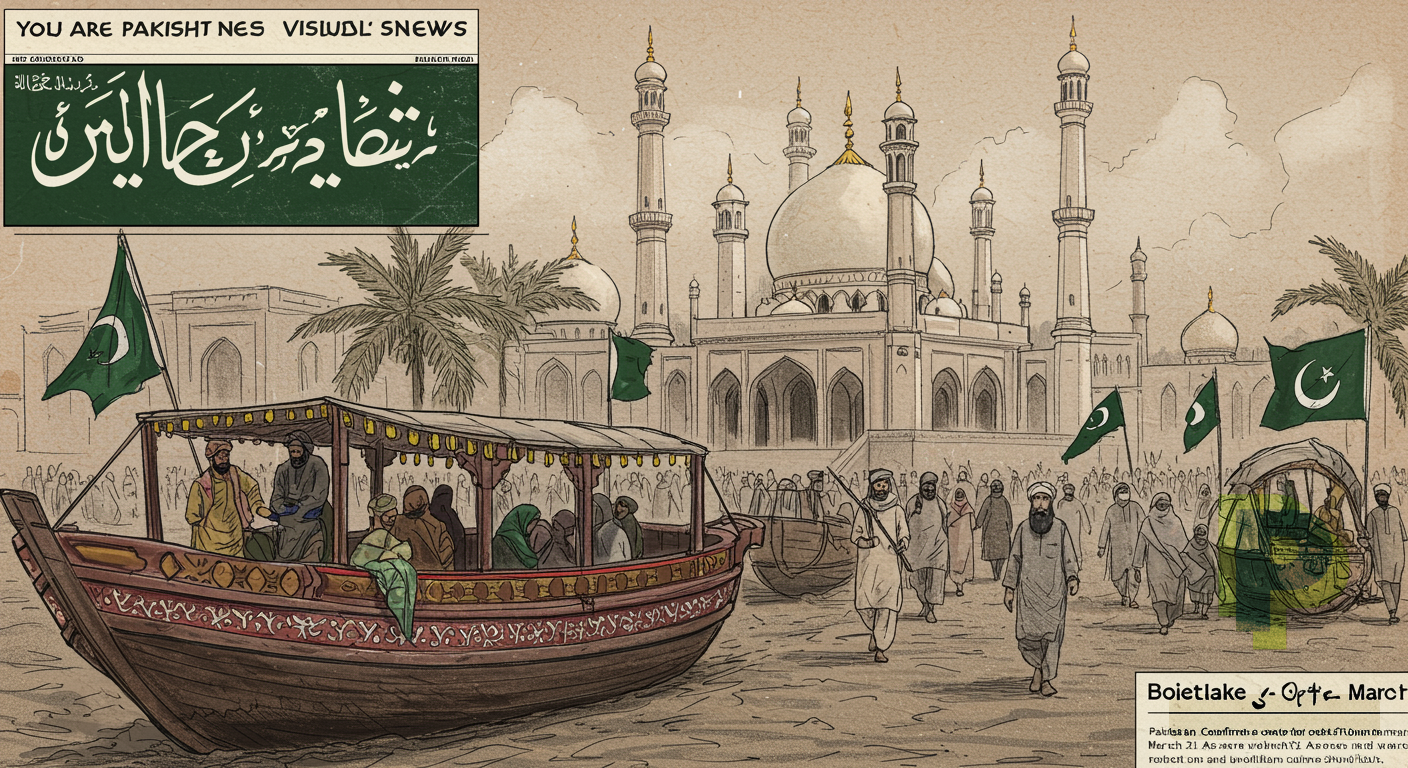
Pakistan is poised to celebrate Eid ul Fitr on Saturday, March 21, 2026, a decision announced after the Ruet-e-Hilal Committee concluded its meeting in Islamabad without sighting the Shawwal moon. This eagerly anticipated declaration sets the stage for nationwide festivities, yet the celebratory mood is tempered by the profound impact of recent severe weather and the looming shadow of global economic shifts. As Pakistan prepares for Eid, the confluence of domestic challenges and international pressures demands immediate attention from policymakers and citizens alike.
Quick Answer
Pakistan confirms Eid ul Fitr for March 21 as severe weather claims 18 lives. Global energy prices soar amid Gulf tensions, impacting Pakistan's economy.
- When is Eid ul Fitr 2026 being celebrated in Pakistan? Eid ul Fitr 2026 will be celebrated across Pakistan on Saturday, March 21. This date was officially announced by the Ruet-e-Hilal Committee after its meeting in Islamabad, confirming the non-sighting of the Shawwal moon on March 19, which marks the completion of 30 days of Ramadan.
- How are global energy tensions impacting Pakistan's economy? Global energy tensions, particularly from the Gulf region, are leading to soaring international oil and gas prices. For Pakistan, a net energy importer, this translates into a higher import bill, increased pressure on foreign exchange reserves, and a potential surge in domestic inflation. Economic experts like Dr. Farrukh Saleem warn that these rising costs will likely be passed on to consumers, impacting purchasing power and increasing the cost of living post-Eid.
- What is Turkiye's role in promoting peace between Pakistan and Afghanistan? Turkiye plays a significant role in promoting peace and stability between Pakistan and Afghanistan, as acknowledged by Prime Minister Shehbaz Sharif in his recent call with President Recep Tayyip Erdoğan. Analysts like Dr. Hassan Askari Rizvi note that Turkiye offers a unique perspective and diplomatic leverage, which can facilitate dialogue and de-escalation, especially concerning complex border management issues and regional security initiatives.
- Eid ul Fitr 2026 will be celebrated across Pakistan on Saturday, March 21, following the Ruet-e-Hilal Committee's announcement.
- Torrential rains and strong winds have tragically killed 18 people across Pakistan, disrupting infrastructure and pre-Eid preparations.
- Global energy prices are soaring due to escalating tensions in the Gulf, raising concerns about inflation and Pakistan's import bill.
- Pakistan handed over the body of an Afghan national at Torkham border, signalling a pause in Operation Ghazab lil and ongoing border management efforts.
- Prime Minister Shehbaz Sharif engaged with Turkish President Recep Tayyip Erdoğan, acknowledging Turkiye’s role in fostering peace between Pakistan and Afghanistan.
- The Ministry of Foreign Affairs strongly rejected remarks by Israel's ambassador to India, reiterating Pakistan's principled stance on international issues.
Eid Preparations Amidst Weather Warnings and Humanitarian Concerns
The Ruet-e-Hilal Committee, a central authority for moon sighting in Pakistan, convened yesterday in Islamabad to determine the start of Shawwal. According to Geo News reported, the committee, after receiving no credible testimonies of the Shawwal moon sighting from any part of the country, officially declared that Eid ul Fitr 2026 would be observed on Saturday, March 21. This announcement, later confirmed by the Daily Times, provides clarity for millions of Pakistanis planning their Eid celebrations and travel.
As PakishNews previously reported, Government Unveils New Export Strategy, But How Will It Impact Textile….
However, the festive preparations are overshadowed by a significant humanitarian crisis. Monte Carlo International reported that torrential rains and severe winds have tragically claimed the lives of 18 individuals across Pakistan in the last 24 hours. These adverse weather conditions have particularly impacted regions like Punjab and Khyber Pakhtunkhwa, causing widespread disruption, damage to property, and agricultural losses. The heavy rainfall has led to flash floods in some areas, complicating travel plans for those intending to return to their hometowns for Eid. The meteorological department has issued warnings for continued inclement weather, raising concerns about public safety and the logistics of inter-city movement during the long Eid holiday.
Why does this matter now? The timing of these extreme weather events, coinciding with one of the most significant religious festivals, amplifies their impact. Families planning to travel for Eid are now facing hazardous road conditions, potential flight delays, and the risk of further natural disasters. For a nation where Eid travel is a deeply ingrained tradition, these disruptions affect not just convenience but also cultural and familial cohesion. Moreover, the agricultural sector, already vulnerable to climate change, faces immediate losses, which could have ripple effects on food security and prices in the coming weeks.
Regional Diplomacy and Evolving Border Dynamics
In a significant development concerning regional stability, the body of an Afghan national was handed over at the Torkham border crossing, as confirmed by News Desk reports. This exchange followed a temporary pause in 'Operation Ghazab lil', an ongoing security initiative along the border. The Torkham border, a critical transit point for both people and trade between Pakistan and Afghanistan, frequently experiences complex situations related to border management, security operations, and humanitarian concerns. The incident underscores the delicate balance Pakistan maintains in managing its western frontier amidst fluctuating security dynamics and the need for coordinated efforts with Afghan authorities.
Further solidifying Pakistan's diplomatic engagements, Prime Minister Shehbaz Sharif held a telephonic conversation with Turkish President Recep Tayyip Erdoğan. During the call, Prime Minister Sharif acknowledged Turkiye’s consistent and constructive role in promoting peace and stability between Pakistan and Afghanistan. This high-level dialogue, also reported by News Desk, highlights Turkiye's growing influence as a mediator in regional conflicts and its strategic partnership with Pakistan. Such diplomatic overtures are crucial for fostering a stable environment, particularly as Pakistan navigates its relationship with the interim Afghan government and addresses cross-border challenges.
According to Dr. Hassan Askari Rizvi, a prominent defence and political analyst, “Pakistan’s engagement with Turkiye on Afghanistan is a pragmatic step. Turkiye offers a unique perspective and has leverage that can facilitate dialogue and de-escalation, especially concerning border management and regional security initiatives. This diplomatic channel is vital for ensuring that border incidents do not escalate into broader conflicts.”
Global Tensions and Domestic Economic Pressures: The Energy Price Conundrum
While domestic and regional issues dominated the headlines, international developments cast a long shadow over Pakistan's economic outlook. NBC News reported live updates on soaring energy prices globally, driven by heightened tensions in the Gulf. This escalation follows threats by former US President Donald Trump to target Iranian gas fields and intensified retaliation from Tehran in the Gulf region. For Pakistan, a nation heavily reliant on imported energy, these global market fluctuations have immediate and severe implications.
The direct impact of rising international oil and gas prices on Pakistan's economy is multifaceted. Firstly, it significantly inflates the country's import bill, placing immense pressure on already strained foreign exchange reserves. Data from the State Bank of Pakistan consistently highlights energy imports as a major component of the trade deficit. A sustained increase in global crude oil prices, for instance, can lead to a substantial rise in the monthly fuel subsidy requirements or, alternatively, translate into higher domestic petrol and diesel prices for consumers, directly fueling inflation.
“The volatility in global energy markets, particularly from the Gulf, is Pakistan’s Achilles’ heel,” stated Dr. Farrukh Saleem, an economic expert based in Islamabad. “Every dollar increase in a barrel of oil impacts our trade balance and, subsequently, the cost of living for ordinary citizens. Policymakers must brace for a potential surge in inflation post-Eid, as the pass-through effect of these prices becomes inevitable. This could severely test the government's fiscal management capabilities.”
Secondly, higher energy costs permeate every sector of the economy, from manufacturing and transportation to agriculture. Businesses face increased operational expenses, which are often passed on to consumers in the form of higher prices for goods and services. This inflationary spiral erodes purchasing power and exacerbates economic hardship for low and middle-income households. The timing of this surge, just as the nation recovers from Eid expenses, could lead to considerable public discontent.
In a related foreign policy stance, Pakistan's Ministry of Foreign Affairs (FO) strongly rejected remarks made by Israel’s ambassador to India, characterising them as ‘baseless’. As reported by News Desk, the FO reiterated Pakistan’s principled position on international law and human rights, particularly concerning the Palestinian issue. This rejection underscores Pakistan's consistent diplomatic approach to global conflicts and its commitment to established international norms, even as it navigates complex regional and economic challenges.
Impact Assessment: Who is Affected and How?
The combined impact of these developments resonates across various segments of Pakistani society. For the general populace, the Eid ul Fitr declaration brings joy and plans for celebration, but the severe weather poses immediate threats to safety and travel. Commuters and travellers, particularly those planning to visit Punjab and Khyber Pakhtunkhwa, face potential delays, road closures, and increased risks. Families mourning the 18 lives lost will find their Eid celebrations muted by tragedy.
Economically, the soaring energy prices will inevitably lead to higher utility bills, increased transportation costs, and a general rise in the price of essential commodities. This disproportionately affects daily wage earners and fixed-income households, who allocate a larger percentage of their income to necessities. Small and medium-sized enterprises (SMEs) will also feel the pinch of increased operational costs, potentially hindering economic recovery and job creation. The government, meanwhile, faces the difficult choice of either absorbing the price hike through subsidies, further burdening the national exchequer, or passing it on to consumers, risking social unrest.
On the diplomatic front, the dialogue with Turkiye and the border management efforts at Torkham are crucial for maintaining regional stability. A stable western border is paramount for Pakistan's national security and economic connectivity with Central Asian markets. The FO's strong stance against controversial diplomatic remarks also reinforces Pakistan's position on the global stage, signalling its commitment to a principled foreign policy despite domestic pressures.
What Happens Next: Navigating Post-Eid Challenges
Looking ahead, stakeholders must closely monitor several key areas. Immediately following Eid ul Fitr on March 21, authorities will focus on managing the post-Eid travel rush, particularly in regions affected by severe weather. The National Disaster Management Authority (NDMA) and provincial disaster management authorities will likely remain on high alert to respond to any further weather-related emergencies.
Economically, the government will be under immense pressure to mitigate the impact of rising energy prices. This could involve exploring alternative energy sources, negotiating favourable import deals, or implementing targeted relief measures for vulnerable populations. The trajectory of global oil and gas prices, heavily influenced by geopolitical developments in the Gulf, will be a critical determinant of Pakistan's economic stability in the second quarter of 2026. Businesses should prepare for potential supply chain disruptions and increased input costs.
Diplomatically, Pakistan's engagements with Afghanistan, facilitated by partners like Turkiye, will continue to be vital for border security and regional peace. The resolution of incidents like the one at Torkham will set precedents for future cross-border cooperation. The Ministry of Foreign Affairs will also continue to articulate Pakistan's position on international issues, ensuring its voice is heard on critical global matters. The coming weeks will test Pakistan's resilience in managing both internal challenges and external pressures, requiring agile policy responses and sustained diplomatic efforts.
Related: More Pakistan News | Economy & Finance
Related Coverage
- Government Unveils New Export Strategy, But How Will It Impact Textile Industries in Faisalabad?
- Government Finalises Key Fiscal Reforms, But What Does This Mean for Balochistan's Development…
- State Bank maintains policy rate at 22%, but what does this mean for small businesses in Karachi?
Archive Discovery
Frequently Asked Questions
When is Eid ul Fitr 2026 being celebrated in Pakistan?
Eid ul Fitr 2026 will be celebrated across Pakistan on Saturday, March 21. This date was officially announced by the Ruet-e-Hilal Committee after its meeting in Islamabad, confirming the non-sighting of the Shawwal moon on March 19, which marks the completion of 30 days of Ramadan.
How are global energy tensions impacting Pakistan's economy?
Global energy tensions, particularly from the Gulf region, are leading to soaring international oil and gas prices. For Pakistan, a net energy importer, this translates into a higher import bill, increased pressure on foreign exchange reserves, and a potential surge in domestic inflation. Economic experts like Dr. Farrukh Saleem warn that these rising costs will likely be passed on to consumers, impacting purchasing power and increasing the cost of living post-Eid.
What is Turkiye's role in promoting peace between Pakistan and Afghanistan?
Turkiye plays a significant role in promoting peace and stability between Pakistan and Afghanistan, as acknowledged by Prime Minister Shehbaz Sharif in his recent call with President Recep Tayyip Erdoğan. Analysts like Dr. Hassan Askari Rizvi note that Turkiye offers a unique perspective and diplomatic leverage, which can facilitate dialogue and de-escalation, especially concerning complex border management issues and regional security initiatives.