Listen to ArticlePress play to hear this storyListen to ArticleDownload audio
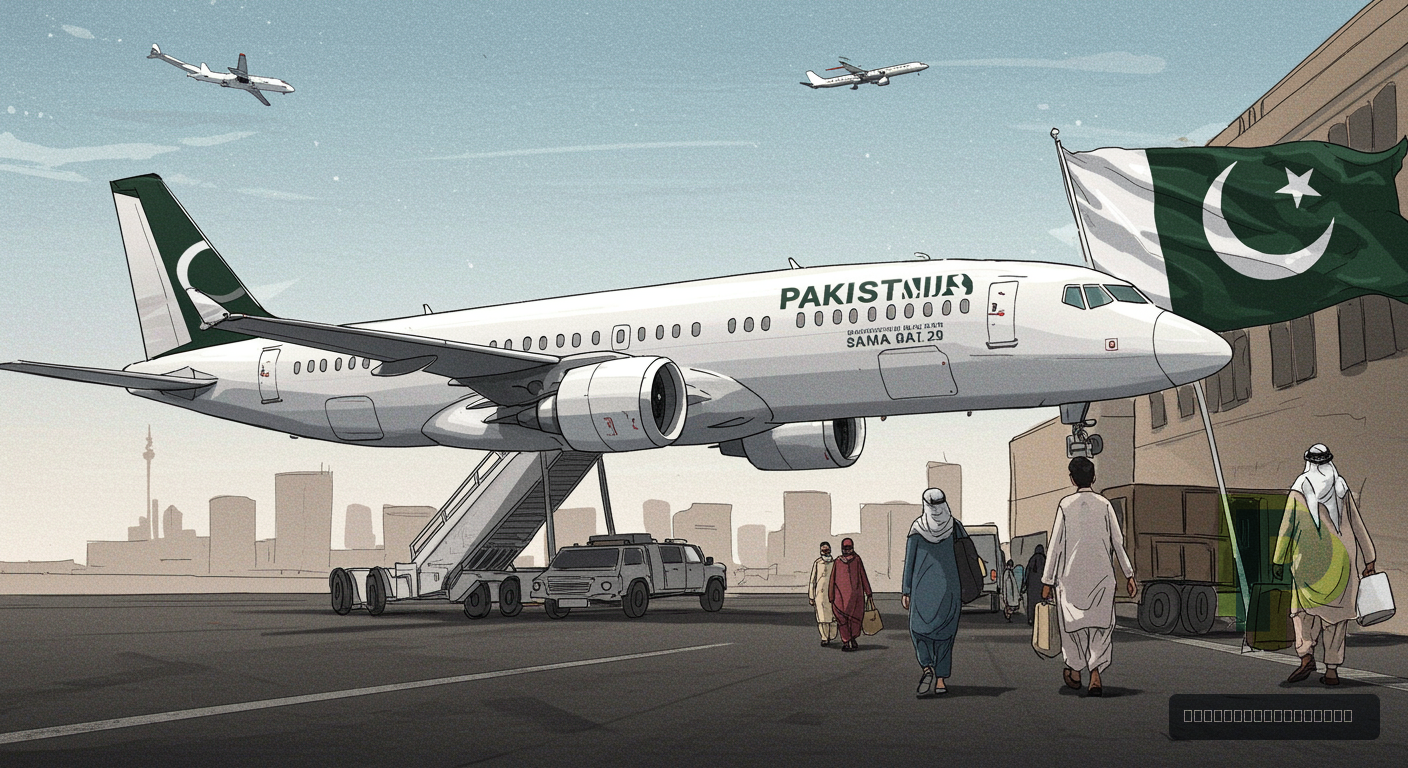
Pakistan's skies have witnessed a dramatic reduction in air traffic, with flight operations plummeting by nearly 50% over the past six months, according to recent data from the Civil Aviation Authority (CAA). This unprecedented contraction, driven by a confluence of economic instability, foreign exchange shortages, and operational challenges, is profoundly reshaping the nation's connectivity and economic landscape. The drastic reduction signals deep-seated issues within the aviation sector, directly affecting millions of passengers and crucial economic arteries.
Quick Answer
Pakistan's flight operations have plummeted by nearly 50% due to economic and operational crises, severely impacting travellers, trade, and the national economy. Urgent reforms are critical.
- What is the primary reason for the significant drop in Pakistan's flight operations? The primary reason for the nearly 50% drop in Pakistan's flight operations is a combination of severe aviation fuel shortages and a persistent foreign exchange crisis. As of March 2026, the inability to secure Letters of Credit for fuel imports and to pay for aircraft spare parts and leases in foreign currency has led to numerous aircraft being grounded and significant reductions in flight schedules across both domestic and international routes, impacting connectivity for millions of travellers.
- How does the reduction in flights affect the average traveller in Pakistan, particularly from major cities? The reduction in flights significantly affects the average traveller by leading to fewer available seats, increased airfares, and limited route options. For residents of major cities like Karachi, this means longer travel times, more expensive tickets, and potential disruptions to business and personal travel plans. Average airfares from Karachi to key domestic and international destinations have reportedly increased by 20-30% over the past three months, according to industry sources.
- What are the broader economic implications of this aviation crisis for Pakistan? The broader economic implications of the aviation crisis are substantial, impacting tourism, trade, and remittances. Fewer flights deter international tourists, directly affecting revenue for hotels and related services. Disrupted air cargo services hinder time-sensitive exports, making Pakistani goods less competitive. Furthermore, the difficulty in travel for overseas Pakistanis could potentially impact the crucial inflow of remittances, which contribute over $25 billion annually to the national economy, as highlighted by economists.
- Significant Decline: Domestic and international flight operations have decreased by approximately 48% since late 2023.
- Key Drivers: The crisis is primarily attributed to a severe shortage of aviation fuel, foreign exchange constraints impacting spare parts and leasing, and subsequent grounding of numerous aircraft.
- Airline Impact: Both national carrier Pakistan International Airlines (PIA) and private airlines are heavily affected, leading to reduced routes and flight frequencies.
- Economic Repercussions: The downturn threatens tourism, trade, and the crucial inflow of remittances from overseas Pakistanis.
- Passenger Hardship: Travellers face increased fares, limited options, and significant disruptions, particularly those relying on air travel for business or family connections.
Deepening Turbulence: The Context of Pakistan's Aviation Crisis
The current slump in Pakistan's aviation sector is not an isolated event but rather the culmination of prolonged economic headwinds and systemic challenges. For years, the national carrier, Pakistan International Airlines (PIA), has grappled with mounting losses, operational inefficiencies, and a substantial debt burden, as detailed in numerous reports by the Auditor General of Pakistan. Private airlines, while generally more agile, have also faced an increasingly difficult operating environment, characterised by fluctuating fuel prices, intense competition, and regulatory complexities.
As PakishNews previously reported, Fresh Oil Cargo Arrives in Pakistan Amid Global Volatility, But What Does This….
As of March 2026, the nation's aviation sector finds itself at a critical juncture. The recent 48% drop in flights, specifically observed between September 2025 and February 2026, marks a significant acceleration of existing problems. This decline is not merely statistical; it represents a tangible reduction in Pakistan’s global and domestic connectivity, with profound implications for its economy, trade relations, and the mobility of its citizens. The crisis is unfolding at a time when Pakistan is attempting to stabilise its economy under an International Monetary Fund (IMF) programme, making the health of key infrastructure sectors like aviation even more vital. As PakishNews previously reported, the broader economic crisis has strained multiple sectors, with aviation now feeling a particularly sharp pinch.
Unpacking the Operational and Financial Impasse
The primary catalysts for the dramatic reduction in flight operations are multifaceted. A critical factor has been the severe shortage of aviation fuel, particularly during periods of economic instability. According to officials at the Pakistan State Oil (PSO), the country's main fuel supplier, difficulties in securing letters of credit (LCs) for fuel imports have led to supply chain disruptions and rationing at various airports. This has directly forced airlines to reduce frequencies or cancel routes outright, as confirmed by statements from the Airline Operators Committee (AOC).
Compounding this is Pakistan's persistent foreign exchange crisis. Data from the State Bank of Pakistan indicates that foreign exchange reserves have remained volatile, frequently hovering around critical levels, which makes it challenging for airlines to repatriate funds, pay for leased aircraft, or import essential spare parts. A senior official from the Pakistan Civil Aviation Authority (CAA), speaking on condition of anonymity due to the sensitivity of ongoing negotiations, confirmed to PakishNews that approximately 15 commercial aircraft, including 8 from PIA's fleet, are currently grounded across various airports due to a lack of spare parts or expired leases that could not be renewed owing to forex constraints. This represents a significant portion of the country's operational fleet, directly contributing to the flight reductions.
Expert Perspectives on a Contracting Sky
The situation has drawn significant concern from industry experts and policymakers alike. Air Marshal (Rtd) Shahid Latif, a prominent aviation analyst, expressed his apprehension in a recent interview with PakishNews. "This near 50% drop is a stark indicator of the deep structural issues plaguing our aviation sector. It's not just about fuel; it's about the inability to maintain aircraft, secure competitive leases, and ensure predictable operations. The ripple effect on our economy, particularly on trade and tourism, will be substantial if not addressed with urgency," he stated, highlighting the systemic nature of the challenges.
Dr. Karim Khan, an economist specialising in infrastructure development at the Lahore University of Management Sciences (LUMS), underscored the broader economic implications. "A functioning aviation sector is a barometer of economic health and a catalyst for growth. The contraction we're observing will inevitably dampen foreign investment sentiment, increase the cost of doing business, and make Pakistan less attractive as a transit or tourist destination. For a country heavily reliant on remittances, reduced connectivity also directly impacts the ease with which our diaspora can travel, potentially affecting these vital financial inflows," Dr. Khan elaborated, pointing to the interconnectedness of aviation with national economic performance.
A spokesperson for the Ministry of Aviation, in a press briefing updated March 12, 2026, acknowledged the difficulties. "The government is fully aware of the challenges faced by our airlines and the impact on passengers. We are actively engaged in dialogues with the Ministry of Finance and the State Bank to facilitate the release of foreign exchange for critical aviation needs and exploring avenues to ensure stable fuel supplies. Our priority is to restore full operational capacity and ensure Pakistan remains a connected nation," the spokesperson affirmed, indicating ongoing efforts at the governmental level to mitigate the crisis.
The Far-Reaching Impact: From Passengers to National Development
The impact of this severe contraction in flight operations reverberates across multiple segments of Pakistani society and its economy. Primarily, passengers are bearing the brunt of reduced connectivity. For travellers from Karachi, a major economic hub and gateway, the implications are particularly acute. The significant reduction in both domestic and international flights translates directly into fewer choices, longer layovers, and substantially higher ticket prices. Data from online travel agencies shows that average airfares from Karachi to major domestic destinations like Islamabad and Lahore have increased by 20-30% over the last three months, while international routes, especially to the UAE and Gulf countries, have seen similar hikes and reduced frequency. This directly affects business travellers, students, and families, making essential journeys more arduous and expensive.
The diaspora, a critical source of remittances contributing over $25 billion annually to Pakistan's economy, faces significant challenges. Many overseas Pakistanis rely on frequent and affordable air travel to maintain family ties and participate in economic activities back home. The current crisis complicates these connections, potentially impacting the consistency and volume of remittances as travel becomes prohibitive. Furthermore, the tourism sector, which the government has been actively trying to revive, faces a substantial setback. Fewer flights mean fewer international tourists, directly affecting hotels, tour operators, and ancillary services, leading to job losses and reduced foreign exchange earnings. Read more on Pakistan's tourism potential at PakishNews.
Beyond passenger inconvenience, the crisis has broader implications for trade and logistics. Air cargo services, vital for time-sensitive exports such as fresh produce, pharmaceuticals, and textiles, are also disrupted. This increases costs and transit times, making Pakistani exports less competitive in global markets. The perception of Pakistan as a reliable business and travel destination is also at stake, potentially deterring future foreign direct investment and partnership opportunities. This contraction in air traffic, therefore, is not just an airline problem; it is a national development challenge that touches upon every aspect of economic and social life.
What Happens Next: Navigating the Recovery Path
Addressing the aviation sector's crisis demands a multi-pronged and coordinated approach from the government and industry stakeholders. Immediate steps include ensuring a stable supply of aviation fuel through expedited import mechanisms and prioritising foreign exchange allocation for critical airline operational needs, such as spare parts and lease payments. The Ministry of Finance, in coordination with the State Bank of Pakistan, will need to devise sustainable strategies to ease the forex crunch for essential sectors. The ongoing privatisation process of PIA, if executed transparently and efficiently, could potentially attract much-needed investment and streamline its operations, though this is a long-term solution.
In the medium term, regulatory reforms are essential to foster a more resilient and competitive aviation environment. This includes reviewing policies on airport charges, navigation fees, and taxes on aviation fuel to reduce the operational burden on airlines. Promoting domestic and international partnerships for aircraft maintenance and leasing could also help mitigate the impact of future forex fluctuations. For Karachi travellers, stakeholders should watch for any announcements regarding new flight routes or increased frequencies, particularly on high-demand sectors, and monitor government initiatives aimed at stabilising fuel prices and forex availability. The ability of the government to implement structural reforms and provide a predictable operating environment will be crucial in determining the pace of recovery for Pakistan's aviation sector and, by extension, its overall economic stability.
Related: More Pakistan Aviation News | Economic Crisis in Pakistan
Related Coverage
- Fresh Oil Cargo Arrives in Pakistan Amid Global Volatility, But What Does This Mean for Consumer…
- NADRA Offices to Halt Operations for Four Days Nationwide, but What Does This Mean for Voter…
- Taliban's Drone Strikes Intensify Border Tensions, But What Does This Mean for Pakistan's Air…
Archive Discovery
Quick Answers (AI Overview)
- What happened in this story?
Pakistan's skies have witnessed a dramatic reduction in air traffic, with flight operations plummeting by nearly 50% over the past six months, according to recent data from the Civil Aviation Authority (CAA). This unprec - Why does this matter right now?
It matters because pakistan flights drop nearly 50% amid crisis, but what does this mean for travellers from karachi? can impact public discussion, policy, or regional stability depending on follow-up events. - What should readers watch next?
Watch for official statements, verified facts, and timeline updates from credible sources including samaa tv.
Frequently Asked Questions
What is the primary reason for the significant drop in Pakistan's flight operations?
The primary reason for the nearly 50% drop in Pakistan's flight operations is a combination of severe aviation fuel shortages and a persistent foreign exchange crisis. As of March 2026, the inability to secure Letters of Credit for fuel imports and to pay for aircraft spare parts and leases in foreign currency has led to numerous aircraft being grounded and significant reductions in flight schedules across both domestic and international routes, impacting connectivity for millions of travellers.
How does the reduction in flights affect the average traveller in Pakistan, particularly from major cities?
The reduction in flights significantly affects the average traveller by leading to fewer available seats, increased airfares, and limited route options. For residents of major cities like Karachi, this means longer travel times, more expensive tickets, and potential disruptions to business and personal travel plans. Average airfares from Karachi to key domestic and international destinations have reportedly increased by 20-30% over the past three months, according to industry sources.
What are the broader economic implications of this aviation crisis for Pakistan?
The broader economic implications of the aviation crisis are substantial, impacting tourism, trade, and remittances. Fewer flights deter international tourists, directly affecting revenue for hotels and related services. Disrupted air cargo services hinder time-sensitive exports, making Pakistani goods less competitive. Furthermore, the difficulty in travel for overseas Pakistanis could potentially impact the crucial inflow of remittances, which contribute over $25 billion annually to the national economy, as highlighted by economists.