Listen to this articlePress play to hear this story in conversational podcast format.Listen to this articleDownload audio
Pakistan Gears Up for Eid Amidst Austerity, But What Do Karachi's Unseasonal Rains Portend?
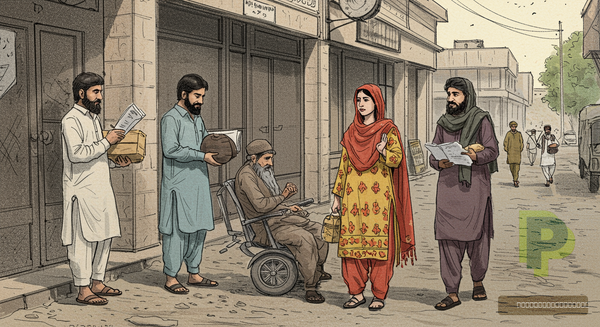
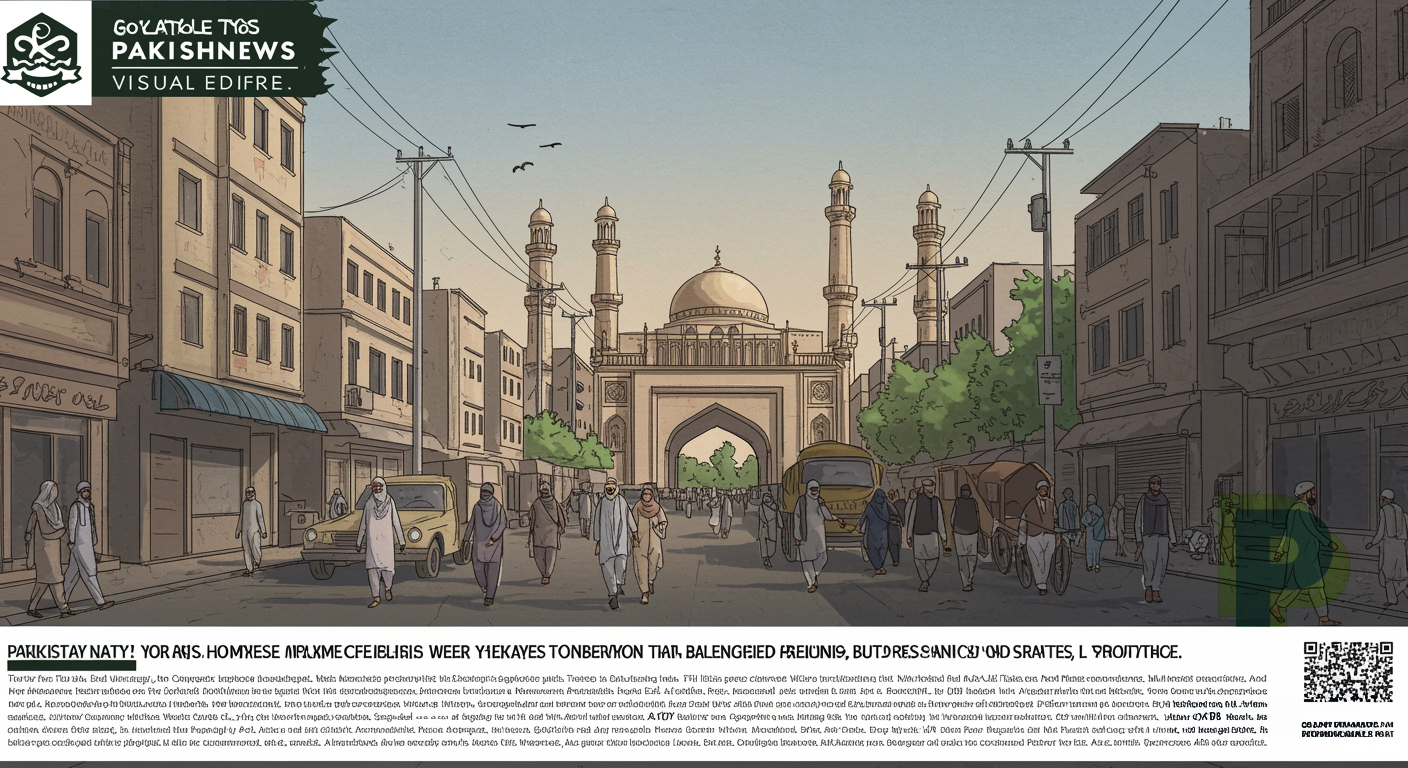
Pakistan is navigating a multifaceted agenda as March 2026 unfolds, characterized by significant religious observance, persistent economic pressures, and evolving regional security dynamics. The nation finds itself at a pivotal juncture, preparing for the upcoming Eid al-Fitr festivities while simultaneously confronting the realities of an ongoing oil crisis that has impacted national celebrations. Meanwhile, a crucial diplomatic development has seen Pakistan and Afghanistan agree to a temporary cessation of hostilities, fostering a brief respite along their shared border. Domestically, Pakistan's largest city, Karachi, has been grappling with unexpected heavy rainfall and strong winds, raising questions about urban resilience and infrastructure preparedness. This confluence of events signals a period of both anticipation and challenge for policymakers, business leaders, and citizens across the country and the wider Gulf region.
Quick Answer
Pakistan is navigating a multifaceted agenda as March 2026 unfolds, characterized by significant religious observance, persistent economic pressures, and evolving regional security dynamics. The nation finds itself at a pivotal juncture, preparing for the upcoming Eid al-Fitr festivities while simultaneously confrontin
- Eid al-Fitr Announcement: GCC nations, including the UAE and Saudi Arabia, have officially declared the date for Eid al-Fitr, impacting millions of expatriates and regional travel plans.
- Pakistan-Afghanistan Ceasefire: A temporary pause in fighting along the Pak-Afghan border has been announced, coinciding with the Eid period, signaling a diplomatic de-escalation.
- Republic Day Parade Cancelled: Pakistan opted for a simple flag-hoisting ceremony instead of its traditional Republic Day parade, citing an oil crisis as the primary reason.
- Karachi Weather Disruption: Heavy rain and strong winds struck parts of Karachi, leading to localized disruptions and raising concerns about urban infrastructure.
- Regional Security Impact: The Pakistan Super League (PSL) administration is developing backup plans for foreign players due to ongoing Middle East crises, highlighting broader geopolitical concerns.
Eid Festivities and Regional Stability: A Moment of Pause
The spirit of Eid al-Fitr is beginning to permeate the region, with significant announcements from key Gulf Cooperation Council (GCC) member states. According to Al Watan newspaper, the United Arab Emirates, Saudi Arabia, Qatar, Bahrain, and Kuwait have officially declared the date for Eid al-Fitr, marking the conclusion of the holy month of Ramadan. This declaration sets in motion extensive preparations for millions of families, including a significant Pakistani expatriate community, impacting travel, retail, and public services across the Gulf. The synchronicity of these announcements underscores the cultural and economic interconnectedness of the region, where a smooth transition into the holiday period is crucial for both social cohesion and economic activity.
In a related and significant development, NDTV reported that Pakistan and Afghanistan have announced a 'temporary pause' in fighting along their contentious shared border. This ceasefire, strategically timed to coincide with the Eid celebrations, offers a glimmer of hope for de-escalation in a region long plagued by cross-border tensions. The decision, reportedly made through diplomatic channels, aims to provide a humanitarian window and allow communities on both sides to observe the religious holiday in relative peace. This temporary truce is particularly pertinent given the volatile security situation along the Durand Line, which has historically seen sporadic clashes and incursions. For Pakistan, a stable western border, even temporarily, is vital for national security and for fostering an environment conducive to regional trade and development. The move also reflects an effort to manage bilateral relations, which have been strained by allegations of cross-border militant activities.
As PakishNews previously reported, Pakistan's Daily Roundup: Republic Day Scaled Back Amid Oil Crisis, But What Do….
Economic Realities and National Observances: Austerity in Action
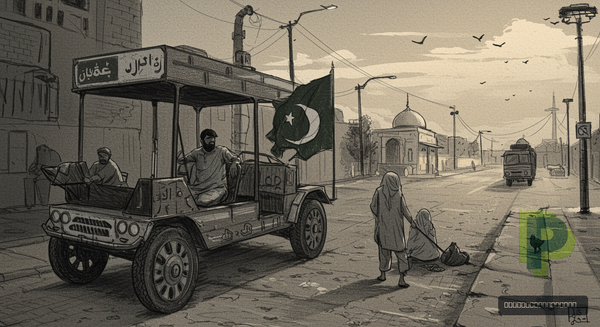
The economic landscape continues to cast a long shadow over national events in Pakistan. In a stark reflection of the country's ongoing financial constraints, NDTV confirmed that Pakistan has significantly scaled back its Republic Day celebrations on March 23, opting for a 'simple flag-hoisting' ceremony instead of the traditional military parade. The primary reason cited for this decision is the prevailing oil crisis, which has led to severe fuel shortages and placed immense pressure on the national exchequer. This move signals a pronounced shift towards austerity, prioritizing essential services and economic stability over grand ceremonial displays.
The cancellation of the Republic Day parade, a highly symbolic event showcasing Pakistan's military prowess and national unity, reverberates beyond mere budgetary savings. It sends a powerful message about the government's current priorities and the depth of the economic challenges facing the nation. Historically, such parades have been a source of national pride and a demonstration of state capability. The decision to forgo it underscores the difficult choices being made by the government of Prime Minister Shehbaz Sharif to manage dwindling foreign exchange reserves and rising energy import costs. This development is not isolated; it follows a series of measures aimed at fiscal consolidation, including efforts to reduce non-essential expenditures across various government departments. This situation raises important questions about the long-term sustainability of Pakistan's energy policy and its broader economic trajectory. As PakishNews previously reported, the ongoing energy crisis has been a persistent challenge for the Pakistani economy, impacting everything from industrial output to daily commute costs for citizens.
Geopolitical Currents and Security Preparedness
Pakistan's foreign policy apparatus remains highly active, responding to regional and international developments. The Foreign Office (FO), according to local news desks, issued a strong rejection of India’s ‘unwarranted’ statement concerning alleged action against terrorist infrastructure in Afghanistan. This diplomatic retort highlights the persistent friction in Pakistan-India relations and the complex interplay of regional security narratives. Pakistan has consistently maintained that it is committed to counter-terrorism efforts and has urged a nuanced understanding of the ground realities in Afghanistan.
Further demonstrating the impact of regional instability, Samaa TV highlighted that the Pakistan Super League (PSL) administration is proactively formulating contingency plans for its foreign players. This strategic foresight is a direct response to the ongoing Middle East crisis, which has raised concerns about travel and security for international athletes participating in Pakistan’s premier cricket tournament. The PSL, a significant contributor to Pakistan's sports economy and international image, relies heavily on foreign talent. The necessity for backup plans underscores how geopolitical tensions, even those seemingly distant, can directly impact domestic events and industries. This situation compels sports bodies to collaborate closely with foreign affairs and security agencies to ensure the safety and participation of international talent, protecting the league's integrity and Pakistan's reputation as a secure host for global sporting events.
Meanwhile, on the global stage, international news desks reported French President Emmanuel Macron's revelation of 'Free France' as the name for Europe’s largest warship. While seemingly distant from Pakistan's immediate concerns, this development signals a broader trend of enhanced naval capabilities and strategic re-alignments among global powers. Such shifts in international military postures can have indirect implications for maritime security in critical shipping lanes, including those in the Indian Ocean, which are vital for Pakistan's trade and energy security. This demonstrates the interconnectedness of global security architectures and how distant developments can subtly influence regional strategic considerations.
Local Impact: Karachi's Unseasonal Weather Challenge
Amidst these national and international developments, Pakistan's economic hub, Karachi, faced immediate domestic challenges. Reports from various news desks indicated that heavy rain and strong winds unexpectedly hit parts of the city. This unseasonal weather event, occurring as the country approaches a major holiday, led to localized flooding, traffic disruptions, and power outages in several areas. Karachi’s infrastructure, often strained by rapid urbanization and inadequate drainage systems, is particularly vulnerable to such climatic events. The sudden downpour disrupted daily commutes, affected local businesses, and posed risks to public safety, especially for those living in low-lying or informal settlements. The metropolitan corporation and emergency services were reportedly on high alert, deploying teams to manage water accumulation and assist affected residents.
Why does this matter? Karachi, a megacity with a population exceeding 16 million, serves as Pakistan's economic engine, contributing significantly to the national GDP. Any disruption to its daily functioning, whether from economic crises or natural phenomena, has ripple effects across the entire country. The unexpected rains highlight the urgent need for enhanced urban planning and climate resilient infrastructure in Pakistan's major cities. As of March 2026, many urban centres face increasing threats from extreme weather patterns, demanding a proactive approach to disaster preparedness and mitigation. This event, particularly close to Eid, also poses logistical challenges for citizens engaged in last-minute shopping and travel preparations.
Background and Context: Intersecting Challenges
The current confluence of events in Pakistan is not isolated but rather deeply rooted in historical and ongoing challenges. The decision to cancel the Republic Day parade, for instance, is a stark reminder of Pakistan's persistent struggle with its balance of payments and energy security. For decades, Pakistan has relied heavily on imported oil, making its economy susceptible to global price fluctuations and geopolitical shocks, as highlighted by a recent PakishNews analysis on Pakistan's energy sector vulnerabilities. The current oil crisis, exacerbated by global supply chain issues and regional instability, has pushed the government towards austerity, a path often trodden by Pakistan in its efforts to secure international financing from institutions like the International Monetary Fund (IMF).
Similarly, the complex relationship with Afghanistan, marked by periods of cooperation and conflict, forms a critical backdrop to the announced Eid ceasefire. The border region has been a hotbed of activity for various militant groups, and managing this frontier is a perpetual challenge for Pakistan's security forces. Diplomacy and temporary truces, while offering short-term relief, are part of a broader, long-term effort to establish lasting peace and stability, which remains elusive given the intricate tribal dynamics and political landscape of the region. The Foreign Office's firm stance against India's comments further illustrates the deep-seated historical tensions that continue to define South Asian geopolitics, where statements about counter-terrorism often become points of contention rather than cooperation.
Expert Analysis: Navigating a Tightrope
Analysts weigh in on the implications of these intertwined developments. Dr. Aisha Sarfraz, a Karachi-based urban planning expert, commented, “Karachi’s recent rainfall is a critical indicator of our vulnerability to climate change. We need more than ad-hoc responses; a comprehensive, climate-resilient urban infrastructure plan, backed by significant investment, is non-negotiable for a city of this scale.” She emphasized that with increasing frequency of extreme weather events, the economic cost of inaction far outweighs the investment required for robust drainage and early warning systems. This perspective aligns with global trends where megacities are increasingly at the forefront of climate adaptation challenges.
On the economic front, Mr. Hassan Askari Rizvi, a Lahore-based political and defence analyst, noted, “The cancellation of the Republic Day parade is a visible symbol of economic distress. While a pragmatic decision, it also highlights the government's struggle to manage public expectations amidst austerity. The challenge is to maintain national morale while making tough economic choices.” He further added, “The oil crisis is not just about fuel; it's about industrial output, transportation, and ultimately, the daily lives of ordinary citizens. The government must communicate its long-term economic strategy clearly to avoid public disillusionment.” This sentiment is echoed by business leaders who are grappling with rising input costs and uncertain supply chains, impacting their ability to plan for the upcoming fiscal quarters.
Regarding regional security, Ambassador (Retd.) Ali Sarwar Naqvi, a former diplomat, stated, “The temporary ceasefire between Pakistan and Afghanistan for Eid is a positive step, demonstrating a willingness to de-escalate, even if momentary. However, the underlying issues of border management and cross-border militancy require sustained, high-level diplomatic engagement beyond short-term pauses.” He underscored the need for a comprehensive regional strategy that addresses the root causes of instability, involving all stakeholders. This expert consensus points towards a complex and delicate balancing act for Pakistan’s leadership.
Impact Assessment: Who is Affected and How
The combination of these events impacts a broad spectrum of stakeholders. For ordinary citizens, the upcoming Eid al-Fitr will be celebrated under the shadow of economic austerity. Families will likely adjust their holiday spending due to rising inflation and the general economic squeeze, which has been exacerbated by the oil crisis. Travel plans for Eid, particularly for those relying on public transport, may face disruptions due to fuel availability and higher costs. The heavy rains in Karachi have directly affected hundreds of thousands, causing property damage, delaying commuters, and potentially impacting the informal economy that relies on daily transactions.
Businesses, particularly those in the retail, hospitality, and energy sectors, face significant challenges. Retailers preparing for Eid sales must contend with cautious consumer spending and potential supply chain disruptions from fuel shortages. The PSL, a multi-million-dollar industry, faces the logistical and financial burden of creating backup plans for foreign players, which could involve additional insurance or travel arrangements, directly impacting its profitability and operational efficiency. The government, meanwhile, is under immense pressure to manage the economy, ensure energy security, and maintain regional stability, all while navigating public sentiment regarding austerity measures and national celebrations.
Internationally, Pakistan's diplomatic efforts are constantly tested by regional dynamics. The FO's rejection of India's statement and the temporary ceasefire with Afghanistan are critical in shaping Pakistan's image as a responsible regional actor, albeit one engaged in complex disputes. The Middle East crisis, while geographically removed, directly impacts Pakistan's sports diplomacy through the PSL, and indirectly affects its economic stability given the large number of Pakistani expatriates in the Gulf and the crucial remittances they send home. The cumulative effect of these challenges risks slowing Pakistan's progress towards sustainable economic growth and regional integration, potentially widening the gap between its development aspirations and current realities.
What Happens Next: A Path Forward
Looking ahead, the immediate focus will be on the successful and peaceful observance of Eid al-Fitr across Pakistan and the Gulf. The temporary ceasefire with Afghanistan will be closely monitored for adherence and any potential for further de-escalation, which could pave the way for more substantive diplomatic talks. The government's economic team will face continued pressure to stabilize fuel supplies and manage inflation, with eyes on potential relief measures or international aid packages. The next few weeks will be crucial for assessing the efficacy of current austerity measures and their impact on the broader economy.
For Karachi, the recent rainfall serves as a stark reminder for city authorities to accelerate efforts in urban infrastructure development and climate change adaptation. Investment in modern drainage systems, early warning weather systems, and robust urban planning will be critical to mitigating the impact of future extreme weather events. Stakeholders should watch for any new government initiatives or partnerships aimed at improving Karachi's resilience. Meanwhile, the PSL administration's contingency plans will be a key indicator of how major international events in Pakistan are adapting to global and regional security challenges. The coming months will reveal the true extent of the economic impact of the oil crisis on various sectors and the public's response to continued austerity. The interconnectedness of these challenges means that progress in one area often depends on stability in another, highlighting the complex balancing act required for Pakistan to navigate its immediate future. Read more on Pakistan's economic outlook at PakishNews.
Related: More Pakistan News | Economic Crisis
Related Coverage
- Pakistan's Daily Roundup: Republic Day Scaled Back Amid Oil Crisis, But What Do Regional Eid…
- Pakistan Cancels Republic Day Parade Amid Oil Crisis, But What Does This Mean for National…
- Pakistan Navigates Economic Austerity and Regional Tensions; What Do These Challenges Mean for…
Archive Discovery
Frequently Asked Questions
What is the core update in this story?
Pakistan is navigating a multifaceted agenda as March 2026 unfolds, characterized by significant religious observance, persistent economic pressures, and evolving regional security dynamics. The nation finds itself at a pivotal juncture, preparing for the upcoming Eid al-Fitr festivities while simultaneously confrontin
Why does this matter right now?
This matters because the development can influence public debate, policy direction, and the wider regional situation.
What should readers monitor next?
Follow official statements, verified facts, and timeline updates from reliable sources.