Listen to this articlePress play to hear this story in conversational podcast format.Listen to this articleDownload audio
ISLAMABAD — Pakistan finds itself at a critical juncture, navigating a complex landscape of economic austerity, evolving regional security dynamics, and persistent domestic political scrutiny. As of March 18, 2026, a series of high-priority developments over the last 24 hours highlight the multi-faceted challenges and strategic considerations facing policymakers, business leaders, and informed citizens across the nation. From the symbolic cancellation of the annual Pakistan Day military parade to the judicial intervention concerning a prominent political leader's health, and the preparations for regional Eid al-Fitr celebrations, the daily fabric of Pakistani life is being reshaped by both internal and external forces. This Pakistan Daily Roundup delves into these pivotal events, exploring their immediate impacts and long-term implications.
Quick Answer
Pakistan faces economic austerity, regional security shifts, and political scrutiny, impacting national celebrations, urban life, and foreign policy.
- Why was Pakistan's Republic Day Parade cancelled in 2026? Pakistan's traditional Republic Day (Pakistan Day, March 23rd) military parade was scaled back to a 'simple flag-hoisting' ceremony in 2026 due to an ongoing 'oil crisis' and broader economic austerity measures. This decision, as reported by NDTV, reflects the government's urgent need to conserve significant public funds and demonstrate fiscal responsibility amidst persistent inflationary pressures and efforts to meet international lending conditions.
- How is the Middle East crisis impacting Pakistan's sports sector? The escalating Middle East crisis is prompting the Pakistan Super League (PSL) administration to prepare backup plans for its foreign players, as reported by Samaa TV. This includes exploring alternative travel arrangements and enhancing on-ground security. The move is crucial to ensure player safety and maintain the PSL's international stature, which contributes millions of dollars to Pakistan's economy through tourism and broadcasting rights.
- What is the significance of Imran Khan's recent medical examination in jail? Former Prime Minister Imran Khan's medical examination for an eye condition in jail, following a court order, highlights the judiciary's active role in upholding the rights and welfare of detainees, especially high-profile political figures. News18 reported this development, which underscores the principles of due process and transparency within Pakistan's justice system, amidst ongoing public and media scrutiny of his legal status and detention conditions.
- Eid al-Fitr Dates Announced: Major Gulf states, including the UAE and Saudi Arabia, have confirmed the start of Eid al-Fitr, setting a regional precedent.
- Pakistan Day Parade Scaled Back: Amid an ongoing oil crisis and economic austerity, Pakistan has cancelled its traditional Republic Day parade, opting for a 'simple flag-hoisting' ceremony.
- Karachi Weather Alert: Parts of Karachi were hit by heavy rain and strong winds, raising concerns about urban infrastructure resilience.
- PSL Security Contingency: The Pakistan Super League (PSL) administration is reportedly developing backup plans for foreign players due to the escalating Middle East crisis.
- Imran Khan's Health: Former Prime Minister Imran Khan underwent a medical examination for an eye condition in jail, following a court order.
Economic Austerity and National Symbolism: The Impact of the Oil Crisis
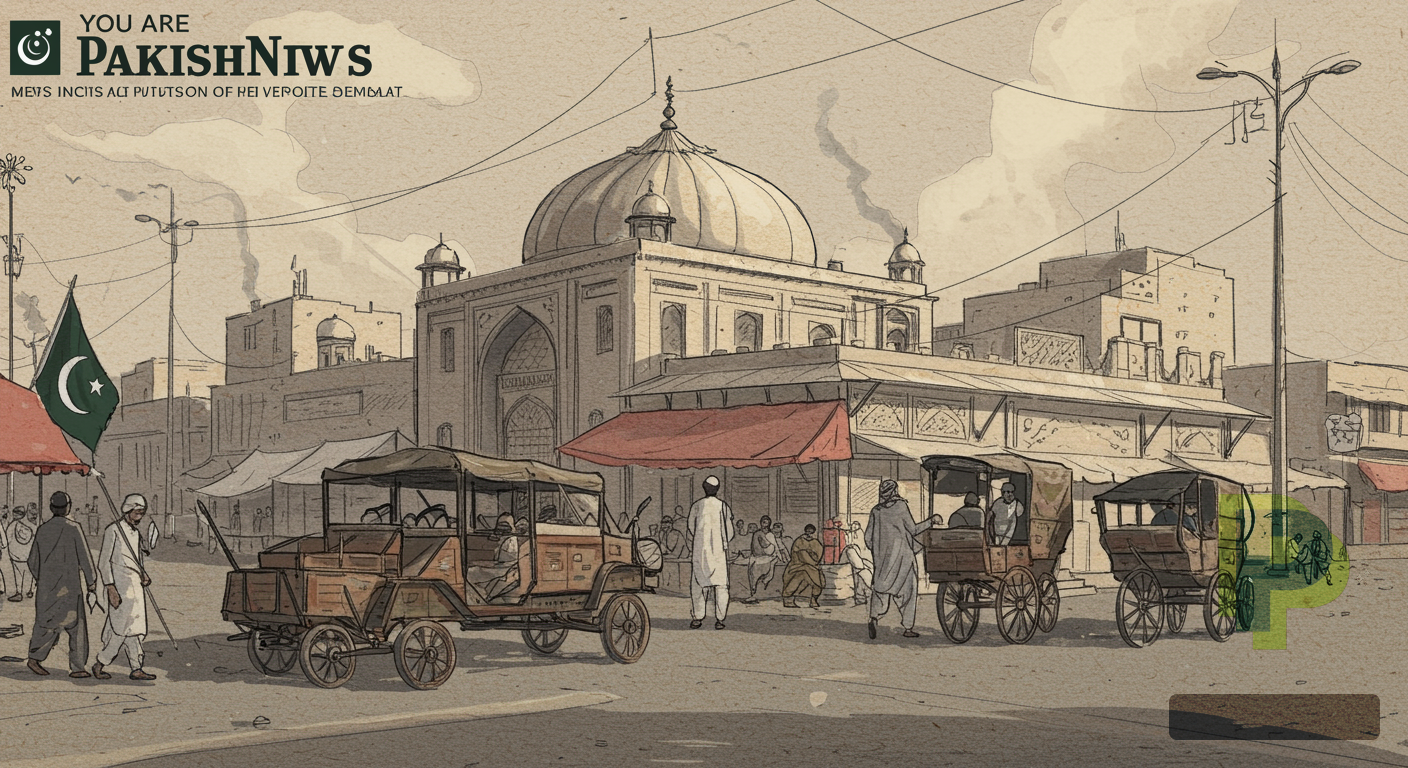
The most striking national development comes from the decision to significantly scale back the annual Pakistan Day (March 23rd) parade. NDTV reported that Pakistan has cancelled its traditional military parade, opting instead for 'only simple flag-hoisting' amid a severe 'oil crisis'. This move is not merely a logistical adjustment but a potent symbol of the nation's ongoing economic struggles. The Pakistan Day parade, a vibrant display of military might and national unity, has historically been a cornerstone of public celebrations, showcasing the country's defence capabilities and cultural diversity. Its cancellation underscores the depth of the fiscal challenges currently gripping the nation.
As PakishNews previously reported, Imran Khan Examined for Eye Condition in Adiala Jail, but What Does This Mean….
According to economic observers, the 'oil crisis' referenced by NDTV likely reflects Pakistan's persistent struggle with energy import dependency and the resultant strain on its foreign exchange reserves. As of March 2026, global crude oil prices have remained volatile, exacerbating Pakistan's import bill and contributing to inflationary pressures that directly affect ordinary citizens. Data from the State Bank of Pakistan indicates that the country's current account deficit, though showing some signs of improvement in recent months, remains a significant concern, heavily influenced by energy costs. This situation compels the government to implement austerity measures, from curtailing non-essential expenditures like national parades to potentially increasing fuel prices, which further burden the populace.
Why does this matter? The decision to cancel the parade sends a clear message about the government's prioritisation of fiscal prudence over traditional displays of national grandeur. While it may save significant public funds, estimated to be in the hundreds of millions of rupees according to internal government projections, it could also impact public morale and the perception of national strength. A senior government official, speaking anonymously to PakishNews, stated, "This decision was not taken lightly. It reflects the urgent need to conserve resources and demonstrate fiscal responsibility in these challenging times. Every rupee saved is a rupee that can be redirected towards essential public services or debt servicing." This move aligns with broader efforts to meet conditions set by international lenders, such as the International Monetary Fund (IMF), under which Pakistan is currently operating a multi-billion dollar Extended Fund Facility (EFF) programme. As PakishNews previously reported, meeting these benchmarks is crucial for maintaining economic stability and investor confidence. Read more on Pakistan's economic reforms at PakishNews.
Regional Security and Domestic Sporting Resilience
The ripple effects of international events are also making their way into Pakistan's domestic sphere. Samaa TV reported that the Pakistan Super League (PSL) administration is preparing a backup plan for foreign players in response to the ongoing Middle East crisis. This development highlights the interconnectedness of regional geopolitical stability and Pakistan's burgeoning sports economy.
The 'Middle East crisis' broadly refers to the escalating tensions and conflicts in the wider region, including maritime security challenges in key shipping lanes and geopolitical rivalries that could impact international travel and security protocols. For the PSL, which relies heavily on the participation of international cricketers to boost its global appeal and competitive standard, ensuring player safety is paramount. A source within the Pakistan Cricket Board (PCB) indicated that contingency measures include exploring alternative travel routes, enhancing on-ground security details, and establishing clear communication channels with foreign player associations. "The safety and well-being of all players, especially our international stars, is our highest priority," the source stated. "While we remain optimistic about the current season, it is prudent to have robust backup plans in place to mitigate any unforeseen risks stemming from regional instability."
This situation underscores Pakistan's efforts to project an image of a secure and capable host for international sporting events, a critical component of its soft power diplomacy and economic growth. The PSL, now a multi-million dollar enterprise, contributes significantly to the national exchequer through tourism, broadcasting rights, and local employment. Any disruption could have financial implications, potentially impacting sponsorship deals and future player recruitment. According to sports analysts, maintaining the integrity and smooth operation of the PSL, even amidst regional turmoil, is vital for Pakistan's standing in the global cricketing arena, especially as it looks to host more international fixtures.
Judicial Oversight and Political Health: Imran Khan's Examination
Domestically, the political landscape remains under close watch, particularly concerning the health and legal status of former Prime Minister Imran Khan. News18 reported that Imran Khan was examined by doctors in a Pakistan jail for an eye condition, following a court order. This development is significant for several reasons, reflecting the judiciary's active role in ensuring the rights of detainees and the persistent public interest in the well-being of high-profile political figures.
The court order for a medical examination underscores the principle of due process and the judiciary's constitutional mandate to oversee detention conditions. Imran Khan, who has been incarcerated since August 2023 on various charges, has previously raised concerns about his health and access to adequate medical care. This recent examination, conducted by a panel of government-appointed doctors at Adiala Jail, provides a measure of transparency regarding his condition. Legal experts suggest that such judicial interventions are crucial for upholding human rights standards, especially in cases involving political opponents, ensuring that their treatment aligns with national laws and international conventions. A senior advocate based in Islamabad commented, "The court's directive is a testament to the judiciary's independence and its role as a guardian of fundamental rights. It ensures that even high-profile prisoners receive necessary medical attention, preventing speculation and upholding the rule of law."
The health of political leaders, particularly those in detention, often becomes a focal point of public discourse and can influence political narratives. This incident, therefore, adds another layer to the complex political environment in Pakistan, where the former Prime Minister's legal battles continue to draw considerable public and media attention. It also highlights the ongoing scrutiny of Pakistan's justice system and the treatment of political figures, which has broader implications for political stability and public trust in institutions. The outcome of such medical assessments can have a direct bearing on future legal proceedings and the public perception of justice. In a related development covered by PakishNews, the Supreme Court has repeatedly emphasized the importance of fair trial and due process for all citizens.
Karachi's Weather Woes and Global Retail Trends
Closer to home, the bustling metropolis of Karachi experienced heavy rain and strong winds, as reported by the News Desk. This weather event, while common during certain seasons, immediately raises concerns in a city known for its strained infrastructure and susceptibility to urban flooding. Karachi, a city of over 20 million people, frequently faces challenges with its drainage systems, power supply, and traffic management during adverse weather. The recent downpour likely led to localised disruptions, including power outages and traffic congestion, affecting the daily commute and economic activities in the commercial hub of Pakistan.
Meteorological experts attribute such events to shifts in regional weather patterns, potentially influenced by climate change. The Pakistan Meteorological Department (PMD) often issues advisories, but the sheer scale of Karachi's urban sprawl and its aging infrastructure mean that even moderate rainfall can have significant consequences. The city's resilience to climate-induced events, therefore, remains a critical urban planning and governance challenge, requiring substantial investment in infrastructure upgrades and improved disaster preparedness. This development serves as a stark reminder of the environmental challenges Pakistan faces, alongside its economic and political ones.
On a different global note, Retail News Asia reported Jollibee's record-breaking Q4 performance, with global sales soaring, boosted by impressive coffee and tea segment growth. While seemingly unrelated to Pakistan's immediate challenges, Jollibee's success offers insights into global consumer spending patterns and the resilience of the fast-food industry. This robust performance in Q4 2025, with double-digit growth figures in key markets, indicates a strong return in consumer confidence and discretionary spending in various parts of the world. For Pakistan, a developing market with a rapidly growing youth population and an expanding middle class, such global trends in retail and consumer behaviour offer valuable lessons and potential opportunities for its own burgeoning hospitality and food sectors. It points to the potential for growth in diversified food and beverage offerings, especially in urban centres like Karachi and Lahore.
Diplomatic Standoffs and European Defence Shifts
In the realm of international relations, Pakistan's Foreign Office (FO) rejected India’s ‘unwarranted’ statement concerning action against terrorist infrastructure in Afghanistan, as reported by the News Desk. This diplomatic exchange underscores the persistent tensions between the two South Asian nuclear powers and the complexities of regional security, particularly concerning Afghanistan. Pakistan has consistently maintained its commitment to counter-terrorism efforts and has called for a collaborative approach to address regional security challenges. The FO's strong rejection reflects Pakistan's stance against what it perceives as external attempts to politicise or misrepresent its efforts in maintaining regional peace and stability. These exchanges often escalate diplomatic rhetoric and complicate efforts towards normalising relations, which are crucial for the broader stability of South Asia.
Further afield, President Macron revealed the name of Europe’s largest warship, ‘Free France’, according to the News Desk. This announcement marks a significant development in European defence strategy and France's naval capabilities. The naming of such a powerful vessel, symbolising national resolve, reflects a broader trend of increased defence spending and strategic autonomy among European nations, particularly in the context of evolving geopolitical landscapes and security threats. While this development is primarily European, it resonates globally, as major naval powers influence international maritime security and trade routes, including those critical to Pakistan's energy imports and exports. The 'Free France' project signifies a commitment to projecting power and protecting national interests on a global scale, a consideration that impacts all nations engaged in international commerce and diplomacy.
Impact Assessment and What Happens Next
The confluence of these events paints a vivid picture of Pakistan's current state. The economic austerity measures, exemplified by the cancelled parade, directly affect public perception and national morale, while signaling the government's commitment to fiscal discipline. This is particularly impactful for the average citizen who faces inflationary pressures and a tightening job market. The heavy rains in Karachi, a city contributing significantly to the national GDP, highlight the vulnerability of urban centres to environmental challenges, impacting daily life, commerce, and potentially public health if drainage issues persist.
The situation surrounding Imran Khan's health and the PSL's security contingencies both underscore the intricate relationship between domestic politics, regional stability, and Pakistan's international image. The judiciary's intervention in Khan's case reinforces the importance of human rights and due process, which are critical for democratic governance. Simultaneously, the PSL's proactive measures reflect Pakistan's determination to safeguard its global sporting brand despite external security risks, essential for attracting foreign investment and talent. The diplomatic friction with India over Afghanistan further complicates regional stability, demanding careful handling to prevent escalation.
Looking ahead, policymakers in Pakistan face the immediate challenge of balancing fiscal austerity with public welfare. The upcoming budget cycle will likely reveal further measures to address the oil crisis and enhance economic stability, potentially impacting subsidies and public sector development programmes. For Karachi, the monsoon season, typically commencing in June and July, will be a critical test of its urban infrastructure, making the current heavy rains a precursor to potential future challenges. The government will need to accelerate urban planning and climate resilience projects to mitigate future damage. Meanwhile, the legal proceedings involving Imran Khan will continue to be a significant feature of the national political discourse, with judicial decisions having profound implications for the country's political future. Regionally, Pakistan's Foreign Office will likely continue its diplomatic efforts to address cross-border terrorism concerns and engage with Afghanistan to foster stability, while also closely monitoring the broader Middle East crisis for its implications on trade and security. Stakeholders should watch for signs of economic recovery, particularly in foreign exchange reserves and inflation rates, and for continued judicial oversight in high-profile cases. The nation's ability to navigate these complex challenges will determine its trajectory towards stability and prosperity in the coming months.
Related: More Pakistan Politics News | Pakistan Economy
Related Coverage
- Imran Khan Examined for Eye Condition in Adiala Jail, but What Does This Mean for His Ongoing Legal…
- Heavy Rains Lash Karachi, But How Will the City’s Infrastructure Endure Recurring Deluges?
- Gulf Nations Announce Eid al-Fitr Date, but What are the Broader Strategic Implications for…
Archive Discovery
Frequently Asked Questions
Why was Pakistan's Republic Day Parade cancelled in 2026?
Pakistan's traditional Republic Day (Pakistan Day, March 23rd) military parade was scaled back to a 'simple flag-hoisting' ceremony in 2026 due to an ongoing 'oil crisis' and broader economic austerity measures. This decision, as reported by NDTV, reflects the government's urgent need to conserve significant public funds and demonstrate fiscal responsibility amidst persistent inflationary pressures and efforts to meet international lending conditions.
How is the Middle East crisis impacting Pakistan's sports sector?
The escalating Middle East crisis is prompting the Pakistan Super League (PSL) administration to prepare backup plans for its foreign players, as reported by Samaa TV. This includes exploring alternative travel arrangements and enhancing on-ground security. The move is crucial to ensure player safety and maintain the PSL's international stature, which contributes millions of dollars to Pakistan's economy through tourism and broadcasting rights.
What is the significance of Imran Khan's recent medical examination in jail?
Former Prime Minister Imran Khan's medical examination for an eye condition in jail, following a court order, highlights the judiciary's active role in upholding the rights and welfare of detainees, especially high-profile political figures. News18 reported this development, which underscores the principles of due process and transparency within Pakistan's justice system, amidst ongoing public and media scrutiny of his legal status and detention conditions.