Listen to ArticlePress play to hear this storyListen to ArticleDownload audio
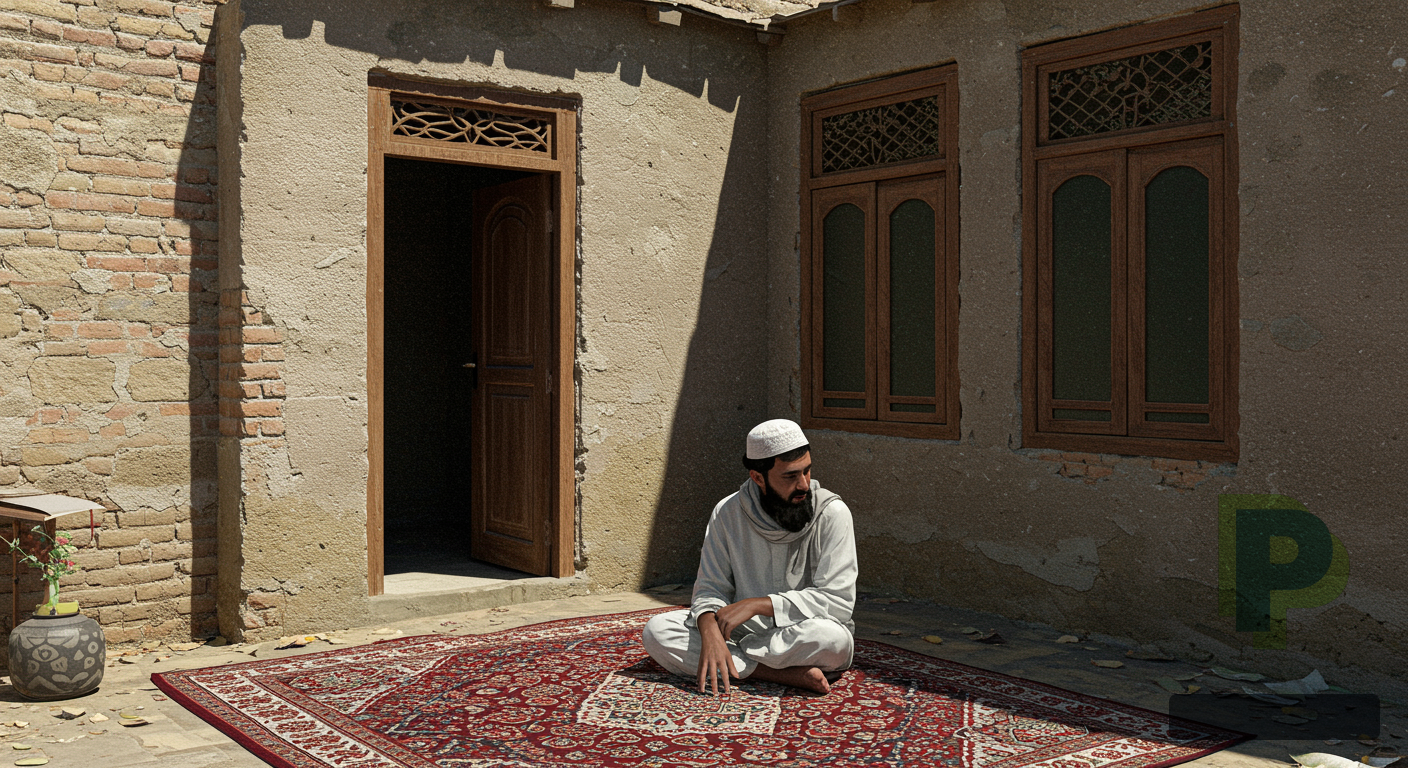
This Eid-ul-Fitr, a poignant silence has descended upon numerous Pakistani homes, particularly in regions like Parachinar and Gilgit-Baltistan, where families are grappling with the profound grief of losing loved ones in conflicts linked to Iran. These individuals, often referred to as 'foreign fighters' or 'volunteers,' are reported to have perished in various theatres, primarily Syria and Iraq, leaving behind a complex web of humanitarian, social, and geopolitical challenges for Pakistan.
As of March 2026, dozens of Pakistani families across various provinces are observing Eid-ul-Fitr in profound grief, marking the loss of loved ones who reportedly perished while engaged in conflicts abroad, highlighting a complex humanitarian and geopolitical challenge for the nation.
- Over 70 Pakistani families, predominantly from Shia communities in regions like Parachinar, Gilgit-Baltistan, and parts of Karachi, are reported to be in mourning this Eid due to losses in foreign conflicts.
- The deceased individuals are largely believed to have been part of groups like the Zainabiyoun Brigade, which has seen deployment in Syria and Iraq.
- These losses, which began to surface significantly after 2013, peaked between 2015 and 2018, with intermittent reports continuing into early 2026.
- Families face severe socio-economic hardship, including loss of primary income earners, psychological trauma, and societal stigma.
- Pakistani authorities face a delicate diplomatic and security challenge in addressing the phenomenon of citizens participating in foreign conflicts and providing support to affected families.
A Glimpse into Grief: Eid Without Loved Ones
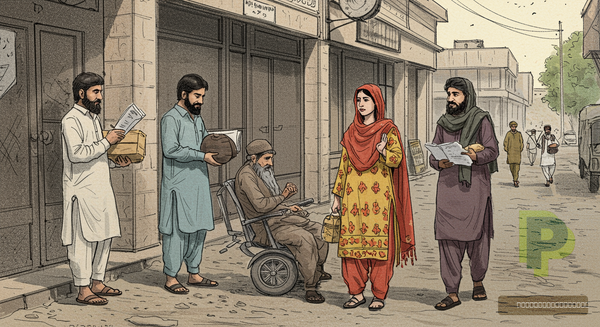
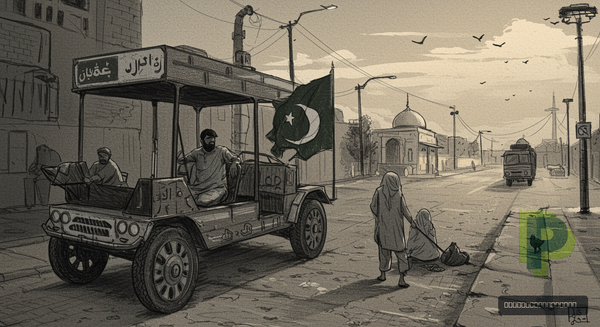
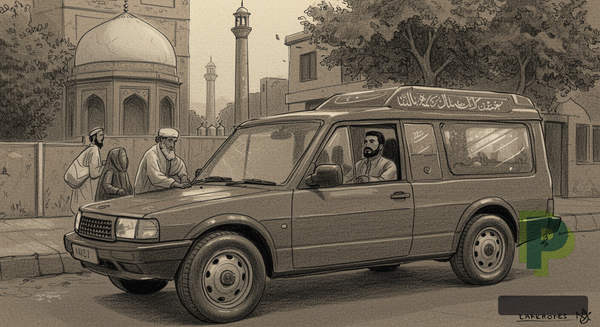
Across Pakistan, the festive spirit of Eid-ul-Fitr, traditionally a time for joyous family reunions and celebrations, has been overshadowed by an enduring sorrow for many. In the remote, mountainous region of Parachinar, Kurram District, and parts of Gilgit-Baltistan, the vibrant colours of Eid have been replaced by the solemn white of shrouds and the quiet tears of widows and orphans. According to local community leaders in Parachinar, who spoke to PakishNews on condition of anonymity due to the sensitivity of the issue, at least 15 families in their district alone are observing Eid in mourning this year, having received confirmation of their sons' deaths in the past twelve months. Similar reports have emerged from Quetta and certain neighbourhoods in Karachi, indicating a national, albeit geographically concentrated, phenomenon.
As PakishNews previously reported, Man Utd Face Bournemouth Test, But What Are the Long-Term Stakes for Their….
The individuals lost are primarily young men from Shia communities who reportedly travelled to conflict zones, particularly Syria and Iraq, to defend holy shrines and support pro-Iran forces. While exact numbers are difficult to ascertain due to the clandestine nature of their recruitment and deployment, human rights organisations in Pakistan estimate that hundreds, possibly thousands, of Pakistani citizens have participated in these conflicts since 2013. Anadolu Ajansı first highlighted the plight of these grieving families, bringing national attention to a long-simmering issue. As of March 2026, the cumulative impact on families, often struggling in poverty, has reached a critical juncture, demanding a structured response from the government and civil society.
Background and Context: Pakistan’s Foreign Fighter Conundrum
The phenomenon of Pakistani citizens participating in foreign conflicts is not entirely new, but its recent manifestation, particularly in the Middle East, presents a unique challenge. Historically, Pakistan has grappled with citizens joining various jihadi groups in Afghanistan and Kashmir. However, the emergence of the Zainabiyoun Brigade, a militia composed primarily of Pakistani Shia volunteers, fighting alongside Iran-backed forces in Syria and Iraq, marked a distinct shift. This brigade, named after Hazrat Zainab (RA), a revered figure in Shia Islam, began recruiting actively around 2013-2014, drawing individuals from economically vulnerable backgrounds or those with strong religious convictions. Many recruits were reportedly working in Iran as labourers or pilgrims when approached.
Why does this matter now? The persistent reports of casualties, particularly during a period of national festivity, underscore the enduring human cost of these distant conflicts on Pakistani society. While major combat operations in Syria and Iraq have largely subsided, the repatriation of bodies and the ongoing grief of families keep the issue alive. Moreover, the geopolitical implications for Pakistan are significant. Its delicate balancing act between Saudi Arabia and Iran is complicated by the involvement of its citizens in proxy conflicts that pit regional powers against each other. This involvement potentially exposes Pakistan to international scrutiny regarding its neutrality and the control it exerts over its citizens' participation in foreign conflicts, especially given its stated policy of non-interference.
Expert Analysis: Geopolitical Ripples and Humanitarian Imperatives
The complex interplay of foreign policy, national security, and humanitarian concerns surrounding this issue has drawn sharp commentary from experts. Dr. Hassan Askari Rizvi, a prominent defence and political analyst, told PakishNews, "The presence of Pakistani nationals in foreign battlefields, irrespective of their motivations, creates a diplomatic quandary for Islamabad. It can be perceived as an erosion of state authority over its citizens and potentially strain relations with countries whose interests are opposed to those of Iran in the region. Pakistan officially maintains neutrality, but the documented involvement of its citizens undermines this stance on the international stage." Dr. Rizvi further elaborated, "The issue is not just about individuals; it's about how external conflicts leverage internal societal dynamics, particularly sectarian ones, which Pakistan has long struggled to contain."
From a human rights perspective, Ms. Gulalai Ismail, a human rights activist and founder of the Aware Girls organisation, highlighted the plight of the families. "These families are victims twice over: first, by the loss of their loved ones, often their sole breadwinners, and second, by the lack of official recognition and support. They face immense psychological trauma, economic destitution, and sometimes even social ostracization. The government has a moral and legal obligation to provide humanitarian assistance and ensure that these families are not left to suffer in silence, regardless of the circumstances of their loved ones' deaths," she stated during a recent webinar on conflict-affected communities.
A senior official from Pakistan's Ministry of Interior, speaking off the record, acknowledged the challenge. "We are aware of the reports concerning Pakistani citizens involved in foreign conflicts. Our policy unequivocally prohibits any citizen from participating in external hostilities. The government is committed to ensuring national security and preventing the use of Pakistani soil or citizens for any proxy warfare. However, addressing the humanitarian aspect for families who have lost members under such circumstances is a delicate matter, requiring careful consideration of both diplomatic sensitivities and human compassion." The official did not elaborate on specific government programmes for these families but emphasized ongoing inter-agency discussions.
Impact Assessment: The Unseen Scars on Pakistani Families
The immediate and long-term impact on the grieving families is profound and multi-faceted. Economically, the loss of a primary male wage earner can plunge already vulnerable families into extreme poverty. According to a preliminary report by the Human Rights Commission of Pakistan (HRCP) in February 2026, families surveyed in Gilgit-Baltistan and Parachinar reported an average reduction of 60% in their monthly household income following such a loss. This often forces widows and children into precarious labour, denying children access to education and perpetuating a cycle of poverty. Read more on humanitarian aid initiatives in Pakistan at PakishNews.
Beyond the financial strain, the psychological and social ramifications are devastating. Widows often face social isolation, while children grapple with the trauma of losing a parent in distant, unacknowledged conflicts. The nature of their loved ones' involvement can also lead to societal stigma, making it difficult for families to seek public assistance or even mourn openly.
- Many families report being reluctant to discuss the circumstances of their loss due to fear of reprisal or misunderstanding from authorities and communities, further isolating them.
- Children of these deceased individuals, particularly boys, are at a heightened risk of dropping out of school and being drawn into informal labour markets, or potentially even radicalised, if not provided adequate support and opportunities.
- The lack of official recognition for these casualties means families are often denied state-sponsored compensation or support typically available to victims of terrorism or military personnel.
This often perpetuates a cycle of unaddressed grief and economic precarity, leaving deep, unhealed wounds within communities that could fester for generations.
The highest-value impact analysis reveals that the lack of a clear, compassionate, and consistent government policy for these families creates a dangerous vacuum. This absence of state support can inadvertently push these grieving communities further into the embrace of non-state actors or foreign entities that might offer aid or recognition, thereby exacerbating sectarian divisions and potentially compromising national cohesion. The long-term societal cost of ignoring this humanitarian crisis could be far greater than the immediate expenditure on support programmes. It risks creating a disenfranchised segment of the population, vulnerable to exploitation and resentment, which could have serious implications for Pakistan's internal stability and its foreign policy objectives in the region. This unaddressed grief and economic hardship represent a ticking socio-political time bomb, with implications for radicalisation and sustained instability, particularly in already sensitive regions like Gilgit-Baltistan and parts of Balochistan where sectarian fault lines exist.
What Happens Next: Towards a Coherent Policy?
The increasing visibility of these grieving families, amplified by media reports and advocacy groups, is putting pressure on the Pakistani government to formulate a more coherent response. While there is no official recognition of these individuals as 'martyrs' in the same vein as military personnel, a growing chorus of voices is advocating for humanitarian assistance. There have been discussions within governmental circles, reportedly led by the Ministry of Human Rights and the Ministry of Overseas Pakistanis, about establishing a welfare fund or a dedicated support mechanism for these families. However, as of March 2026, no concrete policy has been publicly announced.
One proposal under consideration, according to sources within the Ministry of Overseas Pakistanis, involves a one-time financial grant of approximately PKR 500,000 for verified cases of loss, coupled with educational support for children. However, the verification process itself poses a significant challenge, given the unofficial nature of the individuals' travel and involvement in conflicts. Civil society organisations, such as the Pakistan Human Rights Watch, are also stepping up efforts to provide legal aid and counselling to affected families, urging for greater transparency and accountability from all stakeholders. As PakishNews previously reported on Pakistan's delicate foreign policy, this issue remains a critical test of the nation's ability to balance its diplomatic interests with the welfare of its citizens.
Stakeholders should watch for any official pronouncements from the government regarding a dedicated support programme, the establishment of clear channels for families to report losses, and any shifts in Pakistan's diplomatic engagement with Iran and other regional powers concerning the movement of foreign fighters. The long-term integration and support for these families will be crucial in mitigating potential future risks and ensuring social cohesion. This issue is not merely a humanitarian crisis; it is a critical component of Pakistan's broader strategy for managing regional geopolitical dynamics and ensuring the welfare of its citizenry.
Related: More Pakistan News | Humanitarian Crisis
Related Coverage
- Man Utd Face Bournemouth Test, But What Are the Long-Term Stakes for Their Champions League Bid?
- Pakistan Air Traffic Control Diverts 30 Planes from Escalating Iran War Zone, But What Does This…
- UK Meningitis Outbreak Rises to 27 Cases: Implications for Pakistani & Gulf Travellers?
Archive Discovery
Quick Answers (AI Overview)
- What happened in this story?
This Eid-ul-Fitr, a poignant silence has descended upon numerous Pakistani homes, particularly in regions like Parachinar and Gilgit-Baltistan, where families are grappling with the profound grief of losing loved ones in - Why does this matter right now?
It matters because pakistani families mourn loved ones this eid, but what support awaits dependents of those lost in foreign conflicts? can impact public discussion, policy, or regional stability depending on follow-up events. - What should readers watch next?
Watch for official statements, verified facts, and timeline updates from credible sources including Anadolu Ajansı.
Frequently Asked Questions
What is the core update in this story?
This Eid-ul-Fitr, a poignant silence has descended upon numerous Pakistani homes, particularly in regions like Parachinar and Gilgit-Baltistan, where families are grappling with the profound grief of losing loved ones in conflicts linked to Iran. These individuals, often referred to as 'foreign fighters' or 'volunteers
Why does this matter right now?
This matters because the development can influence public debate, policy direction, and the wider regional situation.
What should readers monitor next?
Follow official statements, verified facts, and timeline updates from reliable sources.