Listen to this articlePress play to hear this story in conversational podcast format.Listen to this articleDownload audio
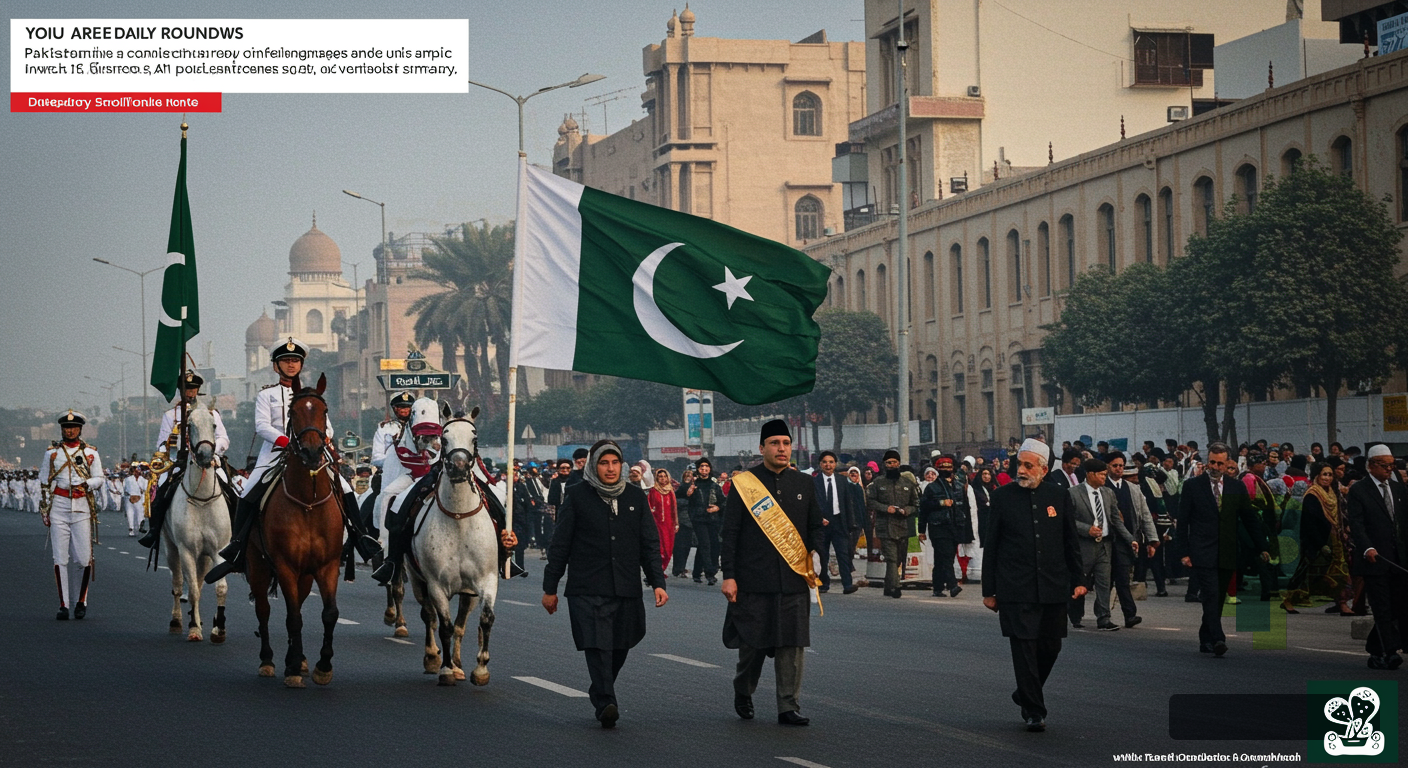
Pakistan is navigating a complex interplay of domestic challenges and regional developments as of March 18, 2026, with the nation's Republic Day parade scaled back due to a persistent oil crisis. This economic strain converges with significant political developments concerning former Prime Minister Imran Khan's health, a crucial diplomatic rejection of Indian statements, and the immediate impact of severe weather in Karachi, all while Gulf nations announce Eid al-Fitr, setting a regional tone. The convergence of these events underscores a critical period for Pakistan, testing its economic resilience, political stability, and regional standing amidst a dynamic geopolitical landscape.
Quick Answer
Pakistan is navigating a complex interplay of domestic challenges and regional developments as of March 18, 2026, with the nation's Republic Day parade scaled back due to a persistent oil crisis. This economic strain converges with significant political developments concerning former Prime Minister Imran Khan's health,
- Pakistan has cancelled its traditional Republic Day parade on March 23, opting for a simple flag-hoisting ceremony due to an ongoing oil crisis, signalling significant economic austerity.
- Gulf Cooperation Council (GCC) nations, including the UAE, Saudi Arabia, Qatar, Bahrain, and Kuwait, have officially announced the date for Eid al-Fitr, impacting millions of Pakistani expatriates and regional travel.
- Heavy rainfall and strong winds have hit parts of Karachi, causing immediate disruption and raising concerns about urban infrastructure and public safety.
- Former Prime Minister Imran Khan underwent a medical examination for an eye condition in jail, following a court order, intensifying scrutiny on political accountability and prisoner rights.
- The Foreign Office of Pakistan has vehemently rejected India’s ‘unwarranted’ statement regarding alleged terrorist infrastructure in Afghanistan, reaffirming Pakistan's diplomatic stance on regional security.
Economic Austerity and National Symbolism Amidst Oil Crisis
In a significant move reflecting the nation's current economic challenges, Pakistan has announced the cancellation of its traditional Republic Day military parade, scheduled for March 23, 2026. Instead, the nation will observe the day with a simple flag-hoisting ceremony. This decision, as reported by NDTV, is primarily attributed to a severe oil crisis that has gripped the country, necessitating austerity measures across government operations. The cancellation of such a high-profile national event, a symbol of national pride and military prowess, sends a clear message about the depth of the financial strain currently experienced by Pakistan. According to data from the Pakistan Bureau of Statistics, fuel imports constitute a substantial portion of the country's import bill, and global price volatility, combined with a depreciating rupee, has exacerbated the domestic energy crunch. This development matters now as it directly impacts public morale and perception, highlighting the government's struggle to manage economic pressures while maintaining national traditions.
The oil crisis is not an isolated incident but a symptom of broader economic vulnerabilities that Pakistan has grappled with for years. The country has frequently sought assistance from international financial institutions like the International Monetary Fund (IMF) to manage its balance of payments and foreign exchange reserves. The decision to scale back Republic Day celebrations follows a pattern of austerity, with previous governments also implementing measures to curb non-essential spending during periods of fiscal stress. This current crisis is further compounded by global supply chain disruptions and geopolitical tensions that have kept crude oil prices elevated, directly affecting Pakistan's energy security and inflationary pressures on essential goods and services. The government’s move to simplify the Republic Day observance is a pragmatic response to conserve resources, but it also underscores the difficult choices faced by policymakers in balancing national symbolism with economic realities.
As PakishNews previously reported, Pakistan Cancels Republic Day Parade Amid Oil Crisis, But What Does This Mean….
Regional Eid Preparations and Their Ripple Effect on Pakistan
While Pakistan grapples with domestic economic issues, its neighbours in the Gulf region are preparing for the upcoming Eid al-Fitr festivities. As reported by Al Watan, the United Arab Emirates, Saudi Arabia, Qatar, Bahrain, and Kuwait have all announced the official date for Eid al-Fitr, marking the end of Ramadan. This announcement holds significant importance for Pakistan, given the large expatriate community residing and working in these GCC countries. Millions of Pakistanis send remittances back home, which are a vital component of Pakistan's foreign exchange earnings. The timing of Eid influences travel plans, family visits, and the flow of these remittances, often seeing a surge as expatriates send money for holiday expenses. This development matters now because it dictates logistical arrangements for thousands of families, both in the Gulf and back home, and impacts the short-term economic activity related to the holiday season, including increased consumer spending and travel, potentially offering a minor boost to the economy through remittances.
Karachi's Weather Woes and Infrastructure Resilience
Closer to home, the bustling metropolis of Karachi experienced heavy rainfall and strong winds over the past 24 hours, as confirmed by the News Desk. This sudden change in weather conditions has led to immediate disruptions across the city, affecting daily commutes, power supply, and raising concerns about urban flooding. Karachi, a city of over 16 million people, frequently faces challenges during monsoon seasons due to its aging infrastructure and inadequate drainage systems. While the current event is not yet classified as a full-blown monsoon, it serves as a critical test for the city's preparedness and its ability to manage urban services under adverse weather. This development matters now as it directly impacts public safety, health, and economic activity in Pakistan's largest city and economic hub, highlighting the urgent need for robust urban planning and infrastructure upgrades to mitigate the effects of extreme weather events, which are becoming more frequent due to climate change.
Political Scrutiny: Imran Khan's Health in Detention
In the realm of domestic politics, former Prime Minister Imran Khan underwent a medical examination for an eye condition in jail, following a court order, according to News18. This development reignites public and political discourse surrounding the health and treatment of high-profile political prisoners in Pakistan. Imran Khan, a central figure in Pakistan's political landscape, has been incarcerated since August 2023, facing multiple charges. Concerns about his well-being have been consistently raised by his party, the Pakistan Tehreek-e-Insaf (PTI), and human rights organisations. The court's intervention to ensure medical examination underscores the judiciary's role in upholding prisoner rights and maintaining transparency in the justice system. This matters now because the health of a former Prime Minister remains a highly sensitive issue, influencing public opinion, domestic political stability, and international perceptions of Pakistan's democratic and judicial processes. As PakishNews previously reported, the ongoing legal proceedings involving Khan continue to shape the national political narrative.
Pakistan's Firm Stance on Regional Security and Diplomatic Rejection
On the diplomatic front, Pakistan’s Foreign Office (FO) has strongly rejected an 'unwarranted' statement from India regarding alleged terrorist infrastructure in Afghanistan, as reported by the News Desk. This diplomatic exchange highlights the persistent tensions and differing narratives between the two nuclear-armed neighbours concerning regional security, particularly in the context of Afghanistan. Pakistan has consistently advocated for a stable and peaceful Afghanistan and has reiterated its commitment to counter-terrorism efforts within its borders and in cooperation with international partners. India's statement, which Pakistan views as an attempt to shift blame, touches upon the sensitive issue of cross-border terrorism and the complex security dynamics of the Pak-Afghan border region. This development matters now as it underscores the fragility of India-Pakistan relations and the ongoing challenges in fostering regional stability, particularly as the international community watches Afghanistan's evolving security landscape closely.
Expert Analysis on Converging Crises
The confluence of these events paints a complex picture for Pakistan. A senior economic analyst based in Islamabad, speaking on condition of anonymity, commented, "The cancellation of the Republic Day parade is more than just a symbolic gesture; it's a stark indicator of the severe fiscal constraints facing the government. The oil crisis, coupled with a depreciating currency, means that every non-essential expenditure is under scrutiny. This will inevitably translate into higher costs for consumers and businesses, further fuelling inflation." This perspective underscores the direct impact on the common citizen and the broader economy, which is already struggling with high living costs.
Regarding the political climate, a political commentator speaking on condition of anonymity due to the sensitivity of the subject, noted, "The court-ordered medical examination of Imran Khan is a critical development. It ensures accountability regarding prisoner welfare, but it also keeps the political temperature elevated. Any perceived mistreatment or health concern for such a prominent figure can quickly become a flashpoint, potentially mobilising his support base and complicating the government's efforts to project stability." This highlights the delicate balance between judicial process and political ramifications.
Meanwhile, a defence and foreign policy expert, Dr. Ayesha Siddiqa, stated, "Pakistan's firm rejection of India's statement on Afghanistan is a clear message about its sovereign stance on regional security. It signals that Pakistan will not accept external narratives that undermine its counter-terrorism efforts or misrepresent the complex situation in Afghanistan. This diplomatic firmness is crucial for maintaining strategic clarity in a volatile neighbourhood, but it also means that the path to de-escalation with India remains fraught with challenges." Dr. Siddiqa's insights emphasize the strategic implications of Pakistan's diplomatic assertiveness.
Impact Assessment: Who is Affected and How?
The immediate impacts of these developments are widespread, affecting various segments of Pakistani society and its international standing. The most direct impact of the oil crisis and the subsequent austerity measures will be felt by ordinary citizens and small businesses. Increased fuel prices translate into higher transportation costs, impacting the prices of essential commodities, exacerbating the already high inflation rate. This, in turn, erodes purchasing power and puts significant pressure on household budgets, especially for low-income families. Businesses, particularly those reliant on logistics and transportation, will face increased operational costs, potentially leading to reduced profitability and slower economic growth. The cancellation of the Republic Day parade, while economically rational, may also affect national morale and the perception of the government's ability to manage national affairs smoothly.
The Eid al-Fitr announcement in the Gulf, while seemingly positive for festivities, has significant implications for Pakistan's diaspora and its economy. The increased travel during Eid periods often strains airline capacities and can lead to higher ticket prices, affecting many Pakistanis wishing to visit home. However, the anticipated surge in remittances during the holiday season provides a crucial, albeit temporary, influx of foreign exchange, supporting the rupee and potentially boosting local consumer markets. The heavy rains in Karachi, on the other hand, immediately disrupt daily life, causing traffic jams, power outages, and potential damage to property. For a city that contributes a substantial portion to Pakistan's GDP, such disruptions have an economic cost, slowing down commercial activities and requiring significant municipal resources for recovery and infrastructure repair. In a related development covered by PakishNews, urban planning experts have repeatedly called for sustainable infrastructure solutions in Karachi.
The ongoing legal and health situation of Imran Khan profoundly affects Pakistan's political stability and its image on the international stage. Any perceived injustice or deterioration in his health could galvanise his supporters, potentially leading to protests and further political polarisation. This uncertainty can deter foreign investment and impact the country's credit ratings, as political stability is a key factor for investor confidence. Furthermore, the Foreign Office's strong rejection of India's statement reflects Pakistan's commitment to defending its narrative on regional security. This diplomatic firmness, while necessary for national interest, also signals continued frosty relations with India, impacting regional trade and cooperation initiatives. The preparedness of the Pakistan Super League (PSL) administration to develop backup plans for foreign players due to the Middle East crisis, as reported by Samaa TV, further highlights the pervasive influence of regional instability on even seemingly insulated sectors like sports, underscoring the interconnectedness of geopolitics and national events.
What Happens Next: Navigating a Period of Uncertainty
Looking ahead, Pakistan faces a period defined by critical economic decisions, ongoing political scrutiny, and complex regional diplomacy. The government's immediate focus will likely remain on managing the oil crisis and its inflationary pressures. Policymakers will need to explore sustainable energy solutions and fiscal reforms to alleviate the burden on the national exchequer and the common citizen. The upcoming federal budget, expected later this year, will be a crucial document to watch for any significant policy shifts aimed at stabilising the economy and attracting foreign investment.
In the political arena, the health and legal status of Imran Khan will continue to be a focal point. Further court proceedings and any public statements regarding his condition will likely shape the political discourse and potentially influence future electoral dynamics. The judiciary's continued oversight will be vital in ensuring due process and transparency. On the international front, Pakistan will likely continue its diplomatic engagement to counter narratives that it deems 'unwarranted' and to advocate for its positions on regional security, particularly concerning Afghanistan. Stakeholders should closely monitor the evolving situation in the Middle East, as its ripple effects, like those on the PSL, can have unforeseen consequences for Pakistan.
For Karachi, the immediate aftermath of the heavy rains will involve assessment of damage and swift municipal action to restore services and address infrastructure vulnerabilities. Long-term planning for climate resilience and urban development will be paramount to prevent future disruptions. The convergence of these economic, political, and environmental challenges underscores the need for comprehensive and coordinated policy responses from the government and active participation from all segments of society. Investors, policymakers, and informed citizens should watch for government initiatives to stabilise fuel prices, judicial decisions concerning political figures, and the trajectory of Pakistan's diplomatic relations with key regional players, as these will collectively determine the nation's path through 2026 and beyond. Read more on Pakistan's economic outlook at PakishNews.
Related: More Pakistan News | Pakistan Politics
Related Coverage
- Pakistan Cancels Republic Day Parade Amid Oil Crisis, But What Does This Mean for National…
- Pakistan Navigates Economic Austerity and Regional Tensions; What Do These Challenges Mean for…
- Imran Khan Examined for Eye Condition in Adiala Jail, but What Does This Mean for His Ongoing Legal…
Archive Discovery
Frequently Asked Questions
What is the core update in this story?
Pakistan is navigating a complex interplay of domestic challenges and regional developments as of March 18, 2026, with the nation's Republic Day parade scaled back due to a persistent oil crisis. This economic strain converges with significant political developments concerning former Prime Minister Imran Khan's health,
Why does this matter right now?
This matters because the development can influence public debate, policy direction, and the wider regional situation.
What should readers monitor next?
Follow official statements, verified facts, and timeline updates from reliable sources.