Listen to ArticlePress play to hear this storyListen to ArticleDownload audio
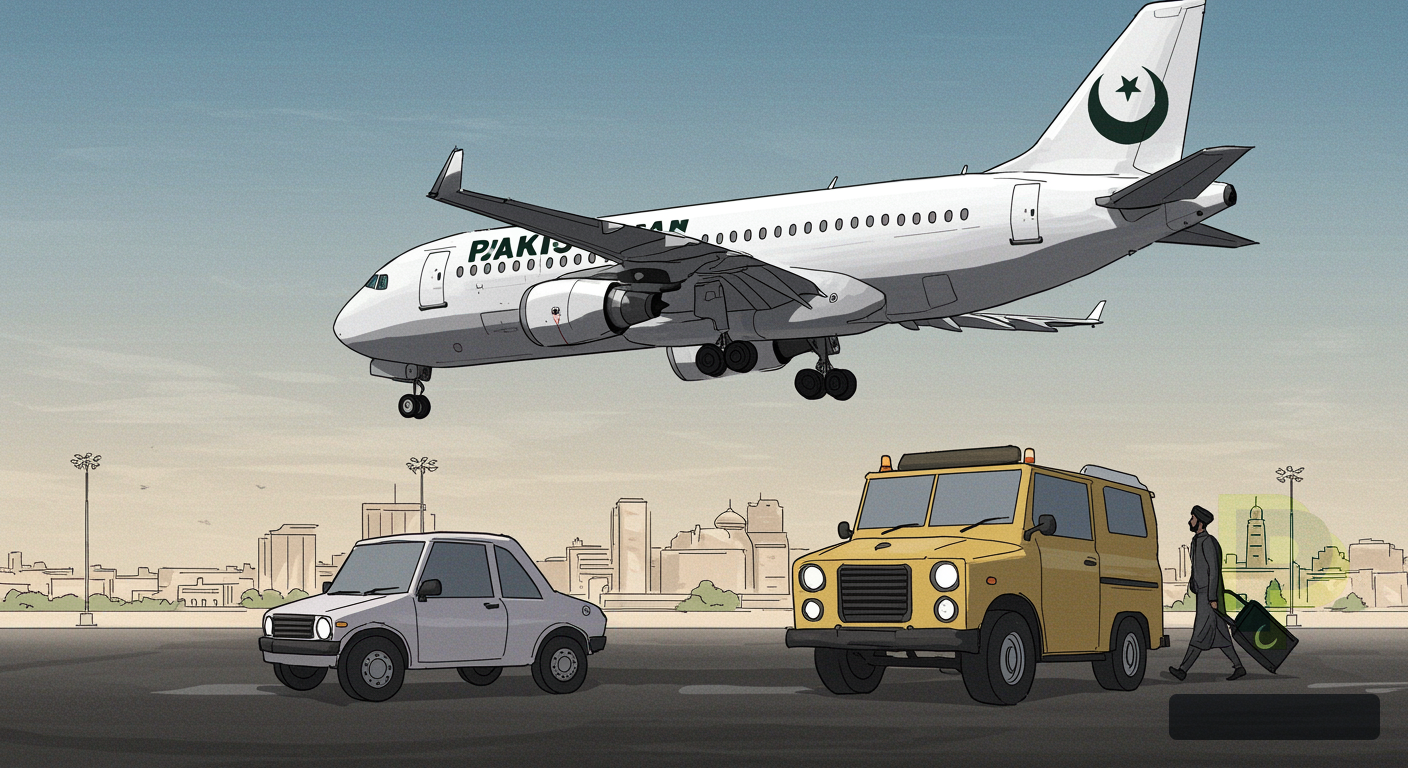
Pakistan International Airlines (PIA) has announced a 48-hour suspension of its flights to Fujairah, United Arab Emirates, effective immediately, citing a rapidly deteriorating security situation in the Gulf region. This unexpected decision impacts hundreds of travellers and signals growing apprehension among regional aviation authorities. The temporary halt underscores the fragility of air corridors in a volatile geopolitical landscape and necessitates a strategic recalibration for both passengers and airlines operating in the Middle East.
- Immediate Suspension: PIA has halted all flights to Fujairah, UAE, for a 48-hour period, commencing March 12, 2026.
- Reason Cited: The suspension is a direct response to a 'worsening security situation' in the broader Gulf region, according to official statements.
- Affected Travellers: Hundreds of passengers, predominantly Pakistani expatriates, have been impacted, with PIA advising them to contact customer service for rebooking options.
- Regional Impact: This move highlights increasing concerns among regional and international carriers about the safety of air travel through specific Gulf airspace.
- Economic Implications: The suspension carries potential short-term economic repercussions for both the airline and the affected communities, particularly in terms of trade and expatriate remittances.
The national flag carrier's decision, confirmed by a PIA spokesperson on March 12, 2026, marks a significant operational adjustment in response to an evolving threat matrix in a crucial global aviation hub. While PIA has not specified the exact nature of the security concerns, the move aligns with a broader trend of heightened vigilance and precautionary measures adopted by various international airlines operating within or transiting through the Gulf. The immediate impact is primarily on direct travel between Pakistan and Fujairah, a route frequently utilised by Pakistani expatriates working in the northern emirates of the UAE.
Escalating Regional Security Concerns and Aviation Protocols
The Gulf region has, for several years, been a theatre of geopolitical tensions, periodically experiencing incidents that raise alarms within the international community. The current suspension by PIA is not an isolated event but rather a symptom of these enduring instabilities. According to aviation security analyst Dr. Aisha Khan from the Institute for Regional Studies in Islamabad, “This 48-hour flight suspension by PIA is a prudent, albeit disruptive, measure. Airlines are legally and ethically bound to prioritise passenger safety above all else. The decision likely stems from a specific threat assessment or a general elevation in risk levels that mandates a temporary avoidance of certain air corridors or destinations within the Gulf.” Dr. Khan further elaborated that such decisions are usually made in close consultation with national aviation authorities and intelligence agencies, reflecting a consensus on the credible nature of the threat. The UAE's General Civil Aviation Authority (GCAA) has consistently maintained stringent safety and security protocols, and any operational adjustments by international carriers are often in response to these or independent assessments.
As PakishNews previously reported, Pakistan's Solar Surge Boosts Energy Resilience, but What Does This Mean for….
Historical context reveals that air travel in the Gulf has faced similar disruptions during periods of heightened tension. For instance, in 2019, several international airlines rerouted flights to avoid certain parts of Iranian airspace following drone incidents. While the present situation leading to the Fujairah suspension has not been publicly detailed, it underscores the persistent challenges for aviation in a region critical for global connectivity. Fujairah, a significant port city, serves not only as a commercial hub but also as a gateway for many Pakistani workers employed in the UAE's burgeoning industrial and service sectors. The suspension directly affects the approximately 1.8 million Pakistani expatriates residing in the UAE, a significant portion of whom rely on direct air links for travel to and from their home country, as PakishNews previously reported on expatriate travel patterns.
Economic Repercussions for Pakistan's Expatriate Workforce
The immediate cessation of flights, even for a short duration, has tangible economic and social consequences. For Pakistani expatriates, whose livelihoods often depend on strict work schedules and pre-planned leave, a 48-hour delay can lead to significant inconvenience, missed connections, and potential financial losses. Many use these flights for urgent family matters, medical emergencies, or critical business engagements. Data from the State Bank of Pakistan indicates that remittances from the UAE constitute a substantial portion of Pakistan's foreign exchange earnings, totalling approximately USD 6.5 billion in fiscal year 2025. Disruptions to air travel, if prolonged or frequent, could indirectly impact the flow of these remittances by affecting the mobility and confidence of the workforce.
Why does this matter? This suspension matters because it directly impacts the mobility of a crucial segment of Pakistan's workforce and highlights the vulnerabilities of a globalised economy to regional instability. While the 48-hour period is brief, it serves as a potent reminder of how quickly routine operations can be upended, prompting a re-evaluation of travel plans and potentially influencing investment decisions. According to Mr. Jamaluddin Sheikh, an economic analyst at the Pakistan Institute of Development Economics (PIDE), "Even short-term flight suspensions can create a ripple effect. For individuals, it means financial strain from unexpected accommodation, rebooking fees, and lost wages. For the airline, it's a loss of revenue and potential damage to reputation if communication or rebooking processes are not handled efficiently. If such incidents become more frequent, they could deter travel and investment in the region, impacting overall economic activity."
Moreover, the suspension of flights to a specific destination like Fujairah can place additional strain on alternative routes and airports. Passengers originally destined for Fujairah may now seek to travel via Dubai International Airport (DXB) or Sharjah International Airport (SHJ), leading to increased traffic and potential congestion on these routes. This shift can result in higher ticket prices for alternative flights and longer transit times, further burdening travellers. PIA's operational capacity, already under scrutiny for various reasons, will be tested in its ability to manage the re-accommodation of affected passengers effectively. As of March 12, 2026, PIA has activated dedicated helplines and online portals to assist passengers with rebooking and alternative travel arrangements, urging them to check the airline's official website for the latest updates.
Navigating the Future of Air Travel in a Volatile Gulf
The incident raises broader questions about the resilience of air travel infrastructure and contingency planning for airlines operating in politically sensitive regions. Airlines, including PIA, routinely conduct risk assessments and develop protocols for various scenarios, but the dynamic nature of Gulf security demands constant adaptation. A senior official from Pakistan's Ministry of Aviation, speaking on condition of anonymity due to the sensitivity of security matters, stated, "Our primary concern is the safety of Pakistani citizens. The decision to suspend flights, while difficult, was made after careful evaluation of intelligence reports and in coordination with our counterparts in the UAE. We are monitoring the situation closely and will resume operations as soon as it is deemed safe to do so." This statement underscores the collaborative nature of international aviation security, where national interests intersect with global safety standards.
The question of the wider impact on Karachi air travel is significant. While direct flights to Fujairah are a specific route, any prolonged or widespread security concern in the Gulf could necessitate broader rerouting of flights passing through the region. Karachi's Jinnah International Airport (KHI) serves as a major hub for flights connecting Pakistan to the Middle East, Europe, and beyond. If airspace restrictions or security advisories expand, flights originating from or transiting through Karachi could face delays, longer flight paths, and increased operational costs due to higher fuel consumption. This would not only affect PIA but also other international carriers operating out of Pakistan, potentially leading to higher fares for passengers and reduced cargo capacity. The current 48-hour suspension is a contained incident, but it serves as a critical stress test for the operational flexibility of airlines and the broader aviation sector in Pakistan, prompting discussions on diversifying routes and strengthening contingency plans for future disruptions. Read more on Pakistan's aviation challenges at PakishNews.
What Happens Next
Looking ahead, the immediate focus will be on the resumption of PIA's Fujairah flights after the 48-hour period, assuming the security assessment allows. However, the incident serves as a stark reminder for policymakers, business leaders, and informed citizens about the interconnectedness of regional stability and economic lifelines. Stakeholders should closely monitor the geopolitical developments in the Gulf, as any escalation could trigger more extensive and prolonged disruptions to air travel and trade. Airlines will likely review and update their risk assessment models for Gulf routes, potentially leading to adjustments in flight paths or operational procedures. For passengers, it underscores the importance of travel insurance and staying informed through official airline and government advisories.
The Pakistani government, through its diplomatic missions in the UAE, will also need to engage with Emirati authorities to ensure the welfare of affected Pakistani expatriates and to gain clarity on the security situation. This incident could prompt a broader discussion within the Ministry of Aviation and PIA regarding crisis management protocols and communication strategies during such emergencies. The long-term implications, if regional tensions persist, could include a re-evaluation of air route strategies, potentially favouring less volatile corridors, which could impact travel times and costs for millions of passengers. This development, as of March 2026, highlights the imperative for both proactive diplomacy and robust contingency planning in an increasingly unpredictable global environment.
Related: More Pakistan Aviation News | Gulf Security Developments
Related Coverage
- Pakistan's Solar Surge Boosts Energy Resilience, but What Does This Mean for Karachi's Power…
- Pakistan-Afghanistan Border Tensions Escalate Amid Cross-Border Incidents, but what does this mean…
- Pakistan Denies Afghanistan Hospital Strike as Deaths Hit 400: What are the Regional Repercussions?
Archive Discovery
Quick Answers (AI Overview)
- What happened in this story?
Pakistan International Airlines (PIA) has announced a 48-hour suspension of its flights to Fujairah, United Arab Emirates, effective immediately, citing a rapidly deteriorating security situation in the Gulf region. This - Why does this matter right now?
It matters because pia suspends fujairah flights amid gulf tensions, but what is the wider impact on karachi air travel? can impact public discussion, policy, or regional stability depending on follow-up events. - What should readers watch next?
Watch for official statements, verified facts, and timeline updates from credible sources including Arab News PK.
Frequently Asked Questions
What is the core update in this story?
Pakistan International Airlines (PIA) has announced a 48-hour suspension of its flights to Fujairah, United Arab Emirates, effective immediately, citing a rapidly deteriorating security situation in the Gulf region. This unexpected decision impacts hundreds of travellers and signals growing apprehension among regional
Why does this matter right now?
This matters because the development can influence public debate, policy direction, and the wider regional situation.
What should readers monitor next?
Follow official statements, verified facts, and timeline updates from reliable sources.