Listen to ArticlePress play to hear this storyListen to ArticleDownload audio
Quick Answer
The pro-Khalistan organisation Sikhs for Justice (SFJ) has publicly declared its support for Pakistan’s ongoing operations against militant groups based in Afghanistan, a move that has significant geopolitical implications across South Asia. This endorsement, articulated by prominent SFJ leader G...
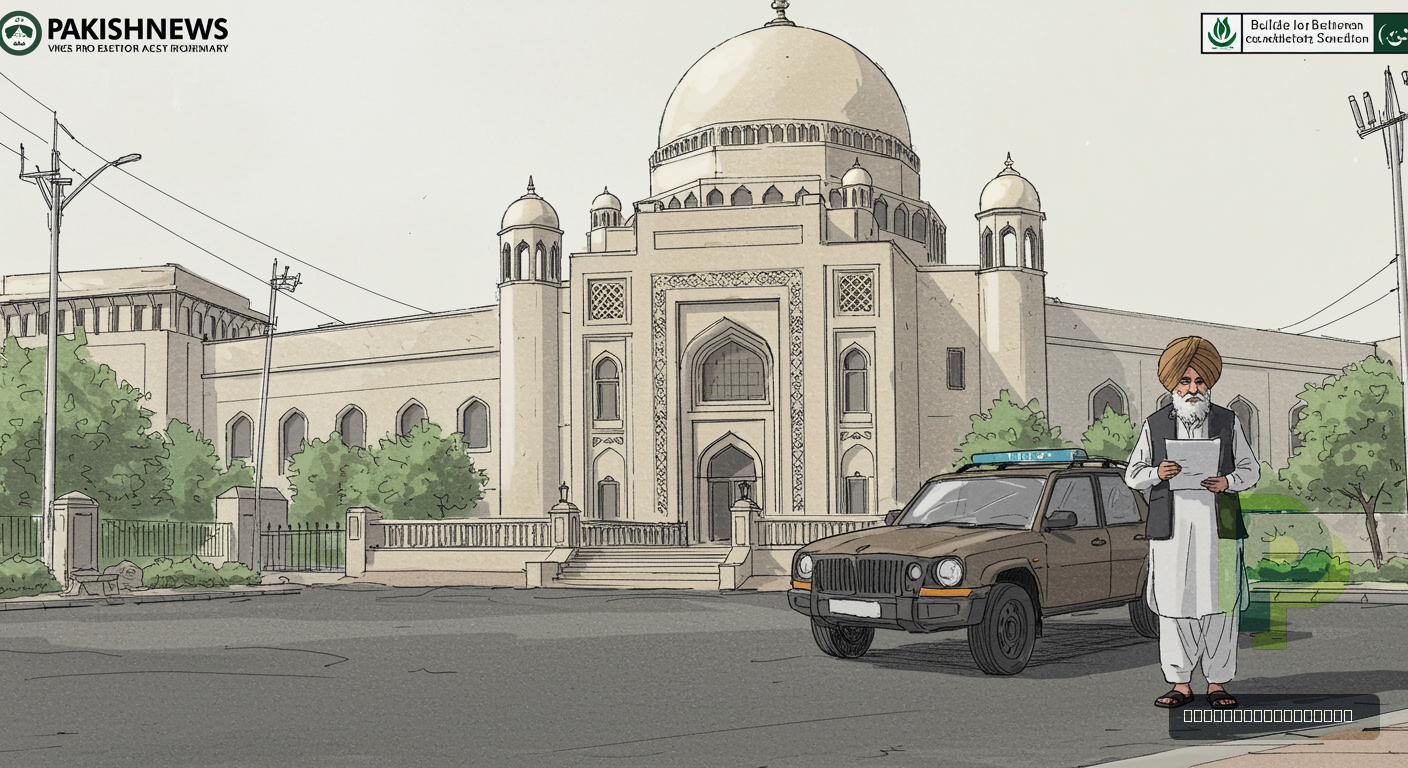
WASHINGTON: The pro-Khalistan organisation Sikhs for Justice (SFJ) has publicly declared its support for Pakistan’s ongoing operations against militant groups based in Afghanistan, a move that has significant geopolitical implications across South Asia. This endorsement, articulated by prominent SFJ leader Gurpatwant Singh Pannun, comes with sharp criticism of India’s alleged role in regional destabilisation, asserting that pro-Khalistan Sikhs are prepared to support Pakistan against what Pannun described as a “proxy war.” This development, as of March 2026, injects a new layer of complexity into already fraught regional dynamics, demanding close scrutiny from policymakers and business leaders alike. The SFJ's statement underlines a notable alignment in regional narratives, potentially reshaping diplomatic discourse and security considerations.
As PakishNews previously reported, Iran Rejects De-escalation; What Risks Does Escalation Pose for Gulf Stability?.
- Sikhs for Justice (SFJ), a pro-Khalistan group, publicly supports Pakistan's anti-militant operations in Afghanistan.
- SFJ leader Gurpatwant Singh Pannun accused India of waging a 'proxy war' in the region.
- The statement signals a potential shift in regional diplomatic alignments and security narratives.
- Pakistan has consistently asserted its right to defend its borders against cross-border terrorism from Afghanistan.
- The development has immediate implications for India-Pakistan relations and broader South Asian stability.
The SFJ's pronouncement marks a notable moment in the intricate geopolitical landscape of South Asia, where historical grievances and contemporary security challenges often intertwine. The organisation, which advocates for an independent Sikh state of Khalistan, has historically been vocal on issues impacting the Sikh diaspora and its perception of injustices. Its alignment with Pakistan on a critical security matter, specifically targeting militant threats emanating from Afghanistan, represents a strategic move that seeks to leverage regional tensions to advance its own political agenda.
For Pakistan, the issue of cross-border militancy from Afghanistan remains a paramount national security concern. Over the past two decades, Pakistan has faced significant challenges from various militant groups, including the Tehrik-i-Taliban Pakistan (TTP), which it alleges operates from Afghan soil. According to data from the Pakistan Ministry of Interior, cross-border attacks from Afghanistan surged by approximately 27% in 2024 compared to the previous year, resulting in substantial civilian and military casualties. This backdrop provides crucial context for Pakistan's recent intensified operations, which it frames as essential for national defence and stability. As PakishNews previously reported, Pakistan has consistently called for the interim Afghan government to address these militant sanctuaries, citing international law and bilateral agreements.
As PakishNews previously reported, Neymar Sidelined as Endrick Returns to Brazil Squad, but What Does This Shift….
Shifting Regional Alliances and Diplomatic Ripples
Gurpatwant Singh Pannun, in his statement issued from Washington, unequivocally backed Pakistan’s military actions. He asserted that pro-Khalistan Sikhs are prepared to support Pakistan in its defence against what he characterised as a “proxy war” allegedly orchestrated by India. This rhetoric is consistent with SFJ's long-standing anti-India stance, which often seeks to draw international attention to its demands for a separate Sikh homeland. The group's vocal support for Pakistan's security operations, however, elevates its visibility within a sensitive regional context, potentially signalling a more active role in geopolitical discourse.
The timing of this endorsement is particularly salient. Regional security dynamics have been highly fluid, with Afghanistan's evolving political landscape post-2021 creating new challenges and opportunities for neighbouring states. Pakistan’s Foreign Office, while not directly commenting on SFJ’s statement, has consistently reiterated its commitment to peace and stability in the region, alongside its resolve to eliminate terrorism. A senior Pakistani diplomat, speaking on condition of anonymity due to the sensitivity of ongoing diplomatic efforts, told PakishNews, "Our focus remains on securing our borders and ensuring that no entity uses Afghan territory against Pakistan. We engage with all stakeholders who share this vision for regional peace and counter-terrorism."
Why does this development matter now for Pakistan's foreign policy? This statement, while coming from a non-state actor, provides Pakistan with an unexpected narrative leverage point in its diplomatic engagements regarding regional security. It subtly reinforces Pakistan’s long-held position that it is a victim of cross-border terrorism and that certain external forces, which it has often alluded to as India, play a destabilising role. This external validation, regardless of its source, can be used to underscore Pakistan's security concerns in international forums and discussions with allies, including those in the UAE and the wider Gulf region who have significant stakes in South Asian stability.
Pakistan's Stance on Cross-Border Threats and India's Position
Pakistan has maintained a clear and consistent policy regarding militant threats emanating from Afghanistan. The Pakistan Army has launched multiple operations along the Pak-Afghan border, including Operation Radd-ul-Fasaad, which commenced in 2017, to dismantle terrorist networks and secure its territory. According to the Inter-Services Public Relations (ISPR), these operations have resulted in the neutralisation of thousands of terrorists and the significant reduction of militant infrastructure within Pakistan. The government of Pakistan officially communicated its concerns regarding the TTP and other groups to the interim Afghan administration on at least 15 occasions between January 2023 and February 2026, as confirmed by a spokesperson for the Ministry of Foreign Affairs in Islamabad.
On the other hand, India has consistently denied any involvement in sponsoring militancy or engaging in a “proxy war” against Pakistan from Afghanistan. New Delhi views the SFJ as a proscribed terrorist organisation and has repeatedly called for international action against its leaders for their alleged secessionist and anti-national activities. India’s Ministry of External Affairs has often dismissed SFJ’s statements as propaganda aimed at destabilising India. Dr. Fatima Zaidi, a geopolitical analyst based in Islamabad, commented, "The SFJ's alignment with Pakistan's narrative, however opportunistic, puts India on the defensive in terms of public perception, especially within certain international circles. It forces them to reiterate their denials more forcefully, which can be challenging when dealing with complex information environments."
The SFJ's direct endorsement of Pakistan's anti-militant operations also complicates India's diplomatic efforts to counter the Khalistan movement globally. By aligning with Pakistan on a security issue, SFJ attempts to lend a veneer of legitimacy to its political claims, even if those claims are widely rejected. This strategic gambit by SFJ aims to secure international attention and support by positioning itself as a legitimate actor in regional security discourse, a narrative India vehemently opposes.
Geopolitical Fallout: Implications for South Asia and the Gulf Region
The most significant impact of SFJ's statement resonates through the intricate web of South Asian geopolitics. For India, it presents a diplomatic challenge, forcing it to navigate renewed accusations of regional interference and respond to a narrative that links its alleged actions with the grievances of a diaspora group. This could potentially affect India's standing in multilateral forums and its relations with countries sensitive to regional stability.
For Pakistan, while not officially endorsing SFJ's political objectives, the statement offers a convenient, albeit controversial, external validation of its long-standing security concerns. It allows Pakistan to highlight what it perceives as hypocrisies or double standards in regional security narratives. This could empower Pakistan's diplomatic push for greater international cooperation in counter-terrorism efforts along its western border. However, Pakistan must also navigate the optics of being seen to benefit from a group that India considers a threat to its sovereignty, maintaining strict adherence to international norms against supporting separatist movements.
The broader implications extend to the Gulf Cooperation Council (GCC) states, including the UAE, which maintain significant economic and strategic interests in South Asia. Regional instability, particularly involving major powers like India and Pakistan, has direct consequences for trade routes, energy security, and investment flows. The UAE, a key partner for both India and Pakistan, consistently advocates for de-escalation and dialogue. Any development that adds friction to India-Pakistan relations or destabilises Afghanistan directly impacts the UAE's long-term vision for regional prosperity and connectivity. Business leaders in Dubai and Abu Dhabi will be closely monitoring how this narrative plays out, as it could influence investor confidence and the feasibility of large-scale infrastructure projects planned across the region. Read more on UAE-Pakistan economic ties at PakishNews.
What Happens Next
In the immediate future, India is likely to issue strong condemnations of SFJ's statement, reiterating its stance on the group's proscribed status and its allegations of foreign interference. Diplomatic channels between India and Pakistan, already strained, may experience further tension. Pakistan will likely continue its operations against militant groups in Afghanistan, while simultaneously using this external endorsement to reinforce its position in international discourse.
Stakeholders, including international organisations and regional powers, will be watching closely for any escalation in rhetoric or action. The SFJ’s strategy of aligning with regional security narratives to further its Khalistan agenda will also be under scrutiny, particularly how it influences the Sikh diaspora and international human rights organisations. For policymakers in Pakistan and the UAE, the focus will remain on managing regional stability, fostering de-escalation, and ensuring that geopolitical manoeuvring does not undermine crucial economic and security partnerships. The long-term impact will depend on how effectively regional actors navigate these complex, interlinked challenges in the coming months.
Related: More pakistanDirect News | India-Pakistan Relations
Related Coverage
- Neymar Sidelined as Endrick Returns to Brazil Squad, but What Does This Shift Mean for Gulf…
- Russia Offers Discounted Oil to Pakistan, But What Does It Mean for Karachi's Fuel Prices?
- Rapper Fetty Wap Announces 'Zavier' After Three-Year Incarceration, But What Does His Musical…
Archive Discovery
Quick Answers (AI Overview)
- What happened in this story?
The pro-Khalistan organisation Sikhs for Justice (SFJ) has publicly declared its support for Pakistan’s ongoing operations against militant groups based in Afghanistan, a move that has significant geopolitical implicatio - Why does this matter right now?
It matters because sikhs for justice backs pakistan’s anti-militant drive, what implications for regional stability? can impact public discussion, policy, or regional stability depending on follow-up events. - What should readers watch next?
Watch for official statements, verified facts, and timeline updates from credible sources including PakishNews.
Frequently Asked Questions
What is the core update in this story?
WASHINGTON: The pro-Khalistan organisation Sikhs for Justice (SFJ) has publicly declared its support for Pakistan’s ongoing operations against militant groups based in Afghanistan, a move that has significant geopolitical implications across South Asia. This endorsement, articulated by prominent SFJ leader Gurpatwant S
Why does this matter right now?
This matters because the development can influence public debate, policy direction, and the wider regional situation.
What should readers monitor next?
Follow official statements, verified facts, and timeline updates from reliable sources.
Related Coverage
- Iran Rejects De-escalation; What Risks Does Escalation Pose for Gulf Stability?
- Neymar Sidelined as Endrick Returns to Brazil Squad, but What Does This Shift Mean for Gulf…
- Russia Offers Discounted Oil to Pakistan, But What Does It Mean for Karachi's Fuel Prices?
Archive Discovery
Frequently Asked Questions
What is the core update in this story?
Listen to ArticlePress play to hear this story Listen to Article Download audio
Why does this matter right now?
This matters because the development can influence public debate, policy direction, and the wider regional situation.
What should readers monitor next?
Follow official statements, verified facts, and timeline updates from reliable sources.