A high-stakes geopolitical landscape is unfolding for Pakistan, with a recent US intelligence assessment highlighting its developing long-range ballistic missile capabilities that could potentially target Washington. This revelation, reported by major international outlets, positions Pakistan at the centre of renewed global strategic discussions. The development coincides with escalating tensions in the Middle East, marked by Iranian strikes on key Gulf energy sites, including a major Qatar gas hub, and a subsequent surge in global oil prices. These events collectively present a multi-faceted challenge and opportunity for Pakistan’s foreign policy, defence strategy, and economic stability. The convergence of these strategic and economic pressures demands immediate attention from policymakers and business leaders, reshaping Pakistan's regional standing.
Quick Answer
US intel flags Pakistan's long-range missiles as Gulf energy strikes spike oil prices, creating economic and strategic challenges for Pakistan. Eid announced in Gulf.
- How will escalating Middle East tensions affect Pakistan's economy? Escalating tensions in the Middle East, particularly the recent Iranian strikes on Gulf energy sites, are expected to significantly impact Pakistan's economy by driving up global oil prices. As a net oil importer, Pakistan faces increased import bills, which could strain its foreign exchange reserves, exacerbate domestic inflation, and lead to higher fuel and transportation costs for citizens. Economists suggest that even a modest increase in oil prices can add hundreds of millions of dollars to Pakistan's annual expenditures, directly affecting consumer purchasing power and business operational costs.
- What is the significance of the US intelligence chief's remarks on Pakistan's missiles? The US intelligence chief's remarks, indicating Pakistan's development of long-range ballistic missiles capable of targeting the US, carry significant geopolitical weight. This suggests a re-evaluation by global powers of Pakistan's strategic capabilities and its role in regional security. While Pakistan maintains its nuclear and missile programmes are for deterrence, this assessment could lead to heightened international scrutiny, calls for strategic dialogue, and potentially influence US foreign policy and arms control discussions concerning Pakistan and its defence partner, China.
- Why is the Eid al-Fitr announcement in the Gulf important for Pakistan? The announcement of Eid al-Fitr dates by Gulf nations holds cultural and economic importance for Pakistan due to the large Pakistani diaspora residing in the UAE, Saudi Arabia, Qatar, Bahrain, and Kuwait. Millions of Pakistani expatriates contribute significantly to Pakistan's economy through remittances, which are a vital source of foreign exchange. The official announcement allows these workers to plan their celebrations and potentially travel, reinforcing the strong social and economic ties between Pakistan and the GCC region, even amidst broader geopolitical tensions.
- US intelligence chief warns Pakistan and China are developing nuclear missiles capable of reaching the US mainland.
- Iran has reportedly struck multiple Gulf energy sites, including a major gas hub in Qatar, leading to a spike in global oil prices.
- Former US President Donald Trump is reportedly against further attacks on Iran’s energy infrastructure following an Israeli strike.
- Gulf nations (UAE, Saudi Arabia, Qatar, Bahrain, Kuwait) have officially announced the date for Eid al-Fitr.
Pakistan's Expanding Strategic Reach and Global Implications
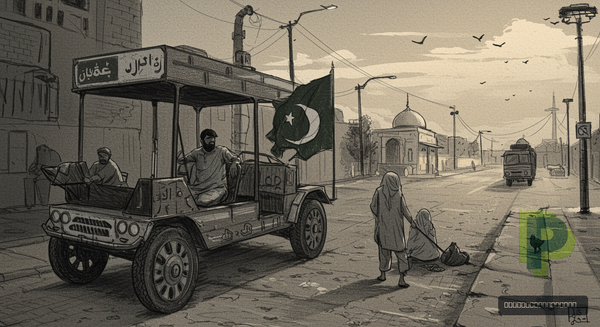
According to statements attributed to the US intelligence chief, as reported by NDTV and Hindustan Times on March 19, 2026, Pakistan, in collaboration with China, is reportedly developing advanced nuclear-capable ballistic missiles that could potentially place targets as far as the United States mainland within range. This assessment underscores a significant evolution in Pakistan's strategic defence capabilities and has immediate implications for global power dynamics.
As PakishNews previously reported, US Intelligence Chief Highlights Pakistan's Growing Long-Range Missile….
The intelligence chief's remarks, widely disseminated by international news agencies, indicate a growing concern within Washington regarding the reach and sophistication of Pakistan's strategic arsenal. While Pakistan has consistently maintained that its nuclear programme and missile development are purely for deterrence and national security, such an assessment from a major global power's intelligence community signals a reassessment of regional and global strategic balances. This development matters now because it could influence US foreign policy towards Pakistan, potentially leading to increased scrutiny or demands for greater transparency and arms control measures. It also highlights the intricate strategic partnership between Pakistan and China, which continues to deepen across various sectors, including defence technology.
Middle East Crisis Escalates: Energy Sites Attacked, Oil Prices Soar
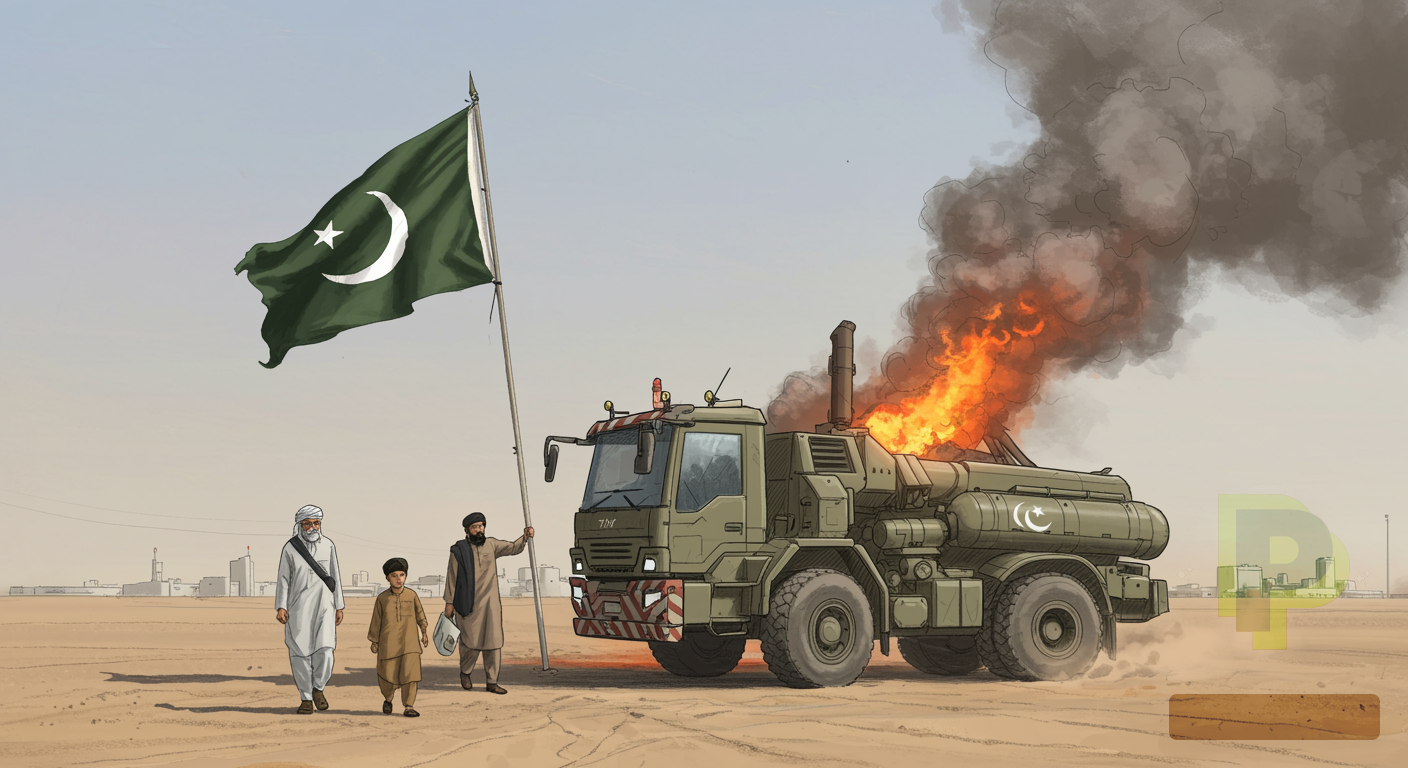
Simultaneously, the volatile situation in the Middle East has intensified dramatically. CNN reported on March 19, 2026, that Iran has launched strikes against several Gulf energy sites, leading to fires erupting at a major gas hub in Qatar. This aggressive action has immediately sent shockwaves through global energy markets. The New York Times confirmed that oil prices spiked sharply following these attacks, reflecting heightened supply concerns and geopolitical risk premiums. The direct targeting of critical energy infrastructure in the Gulf, a region vital for global oil and gas supplies, represents a significant escalation in the ongoing conflict.
The Guardian further reported on the same day that former US President Donald Trump is reportedly against any further attacks on Iran's energy sites, following an earlier Israeli strike on a gas field. This reported stance from a key international figure, even outside current office, suggests a complex interplay of international pressures and a potential desire to de-escalate, or at least control the scope of, the conflict. For Pakistan, which is heavily reliant on imported oil, the immediate consequence of these attacks is a direct threat to its economic stability through rising energy costs. A sustained increase in global oil prices could severely strain Pakistan's foreign exchange reserves, exacerbate inflation, and impede economic growth, directly impacting millions of citizens.
Regional Observance: Eid al-Fitr Announced in Gulf Nations
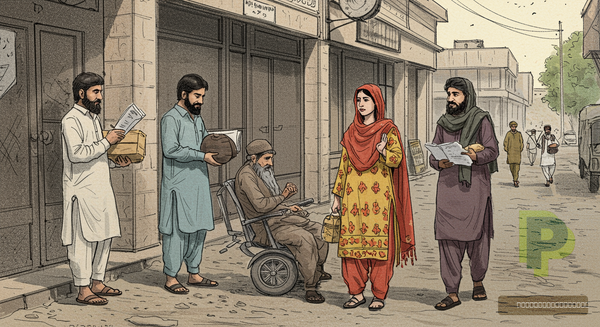
Amidst these geopolitical and economic developments, a significant regional announcement brings a moment of cultural and religious importance. Al Watan reported that the Gulf Cooperation Council (GCC) nations – the UAE, Saudi Arabia, Qatar, Bahrain, and Kuwait – have officially announced the date for Eid al-Fitr. This declaration marks the end of Ramadan and is a joyous occasion for Muslims worldwide. For the millions of Pakistanis residing and working in these Gulf countries, this announcement is of particular significance, allowing them to make plans for family gatherings and celebrations. The timing of this announcement provides a counterpoint of cultural continuity amidst regional turbulence, highlighting the enduring ties between Pakistan and the Gulf states.
Background and Context: Pakistan's Strategic Imperatives and Economic Vulnerabilities
Pakistan's pursuit of advanced missile technology, including long-range ballistic capabilities, is rooted in its long-standing strategic doctrine of credible minimum deterrence against perceived threats. Historically, Pakistan's defence posture has been shaped by regional security dynamics, necessitating a robust and evolving strategic arsenal. The partnership with China in this domain is a critical component, reflecting decades of defence cooperation aimed at enhancing Pakistan's self-reliance in military technology. This strategic imperative is not new, but the US intelligence chief's specific mention of a potential threat to the US mainland marks a new level of international acknowledgement and scrutiny.
Concurrently, the Middle East's geopolitical instability has a profound and immediate impact on Pakistan. As a net importer of oil, Pakistan's economy is acutely sensitive to global energy price fluctuations. Previous crises have demonstrated how rising oil prices can trigger domestic inflation, increase the national import bill, and lead to difficult policy choices regarding fuel subsidies. The current Iranian strikes on Gulf energy sites, alongside the broader regional conflict, directly threaten Pakistan's economic recovery efforts. Understanding this historical vulnerability is crucial to appreciating the current economic stakes involved for Islamabad.
Expert Analysis on Converging Crises
“The US intelligence assessment regarding Pakistan’s missile capabilities will undoubtedly lead to intensified diplomatic engagements and potentially renewed calls for strategic stability dialogues,” stated Dr. Ayesha Siddiqa, a prominent defence analyst, in a recent interview. “While Pakistan views its programme as defensive, the perception of extended reach changes the calculus for major global powers, particularly the United States. It underscores Pakistan’s growing strategic autonomy and the deepening China-Pakistan defence corridor.”
An anonymous senior official from Pakistan's Ministry of Foreign Affairs, speaking on background, emphasised, “Pakistan remains committed to non-proliferation and responsible stewardship of its strategic assets. Our defence capabilities are solely for deterrence and maintaining regional peace. We engage constructively with all international partners on matters of strategic stability.”
Economist Dr. Ali Hasan, associated with the Lahore University of Management Sciences, highlighted the immediate economic repercussions. “The spike in global oil prices, driven by the Gulf attacks, is a grave concern for Pakistan’s already fragile economy. Every dollar increase in a barrel of oil can add hundreds of millions to our annual import bill. This situation demands a rapid and decisive policy response to protect consumers and businesses from inflationary pressures and to safeguard our foreign exchange reserves.”
Impact Assessment: A Multi-Front Challenge for Pakistan
The convergence of these events presents Pakistan with a multi-front challenge impacting its national security, economic stability, and international relations. On the security front, the acknowledgement of Pakistan's long-range missile capabilities elevates its strategic profile but also potentially increases international pressure. This could necessitate delicate diplomatic navigation to avoid misinterpretations of its defence posture while upholding its sovereign right to self-defence. The reported Chinese collaboration further strengthens this strategic alliance, but also draws Pakistan deeper into the broader US-China geopolitical rivalry.
Economically, the escalating Middle East crisis and the subsequent surge in oil prices are perhaps the most immediate and tangible threats. Pakistan's annual oil import bill, which already constitutes a significant portion of its total imports, could swell dramatically. This would directly impact the common citizen through higher fuel prices, increased transportation costs, and inflationary pressures on essential goods. Businesses, particularly those in manufacturing and logistics, would face higher operational costs, potentially leading to reduced output and job losses. The government would face immense pressure to manage subsidies, control inflation, and secure alternative energy sources or financial assistance to mitigate the shock. This is a critical juncture for the nation's economic resilience, directly addressing the core of the headline's unanswered question about economic stability.
Socially, the announcement of Eid al-Fitr in the Gulf provides a brief respite but also underscores the deep connections between Pakistan and the region. The welfare of the large Pakistani diaspora in the GCC countries, who contribute significantly to Pakistan's remittances, could be indirectly affected by prolonged regional instability, although no direct threat has been reported. As PakishNews previously reported, remittances are a vital lifeline for Pakistan's economy, and stability in the Gulf is paramount for this flow.
What Happens Next: Navigating a Complex Geopolitical Landscape
Moving forward, Pakistan's foreign policy apparatus will be under intense pressure to manage the complex implications of these developments. Diplomatically, Islamabad will likely engage with Washington and Beijing to clarify its strategic intentions and reassure international partners of its commitment to regional peace and stability. The ongoing strategic dialogue with China will continue to be crucial in shaping its defence capabilities and geopolitical alignment. In a related development covered by PakishNews, discussions around regional security frameworks are gaining traction.
Economically, the government will need to implement robust measures to cushion the impact of rising oil prices. This could include exploring diversification of energy sources, revisiting fuel pricing mechanisms, and seeking international financial assistance or deferred payment arrangements for oil imports. The State Bank of Pakistan will closely monitor foreign exchange reserves and inflation indicators, potentially adjusting monetary policy to stabilise the economy. The long-term strategy will likely focus on reducing reliance on imported fossil fuels and accelerating the transition to renewable energy.
Stakeholders, including policymakers, business leaders, and citizens, should closely monitor the trajectory of the Middle East conflict, particularly any further attacks on energy infrastructure, and the global response to Pakistan's evolving strategic capabilities. The coming weeks will be crucial in determining the immediate economic fallout and the long-term geopolitical realignments that emerge from these simultaneous crises. The government’s ability to balance national security imperatives with economic stability will be paramount for navigating this turbulent period. Read more on national security at PakishNews.
Related: More Pakistan News | Middle East Crisis
Related Coverage
- US Intelligence Chief Highlights Pakistan's Growing Long-Range Missile Capabilities, but what are…
- Pakistan's Evolving Defence Capabilities Draw Global Scrutiny, But What Are the Immediate Regional…
- Pakistan's Evolving Strategic Capabilities Draw US Scrutiny, but how will escalating Gulf tensions…
Archive Discovery
Frequently Asked Questions
How will escalating Middle East tensions affect Pakistan's economy?
Escalating tensions in the Middle East, particularly the recent Iranian strikes on Gulf energy sites, are expected to significantly impact Pakistan's economy by driving up global oil prices. As a net oil importer, Pakistan faces increased import bills, which could strain its foreign exchange reserves, exacerbate domestic inflation, and lead to higher fuel and transportation costs for citizens. Economists suggest that even a modest increase in oil prices can add hundreds of millions of dollars to Pakistan's annual expenditures, directly affecting consumer purchasing power and business operational costs.
What is the significance of the US intelligence chief's remarks on Pakistan's missiles?
The US intelligence chief's remarks, indicating Pakistan's development of long-range ballistic missiles capable of targeting the US, carry significant geopolitical weight. This suggests a re-evaluation by global powers of Pakistan's strategic capabilities and its role in regional security. While Pakistan maintains its nuclear and missile programmes are for deterrence, this assessment could lead to heightened international scrutiny, calls for strategic dialogue, and potentially influence US foreign policy and arms control discussions concerning Pakistan and its defence partner, China.
Why is the Eid al-Fitr announcement in the Gulf important for Pakistan?
The announcement of Eid al-Fitr dates by Gulf nations holds cultural and economic importance for Pakistan due to the large Pakistani diaspora residing in the UAE, Saudi Arabia, Qatar, Bahrain, and Kuwait. Millions of Pakistani expatriates contribute significantly to Pakistan's economy through remittances, which are a vital source of foreign exchange. The official announcement allows these workers to plan their celebrations and potentially travel, reinforcing the strong social and economic ties between Pakistan and the GCC region, even amidst broader geopolitical tensions.